A Stepmom Says Her 11-Year-Old Loved Pokémon Until She Bought Herself a Deck to Learn It, and Suddenly the Whole Game Was “Stupid”

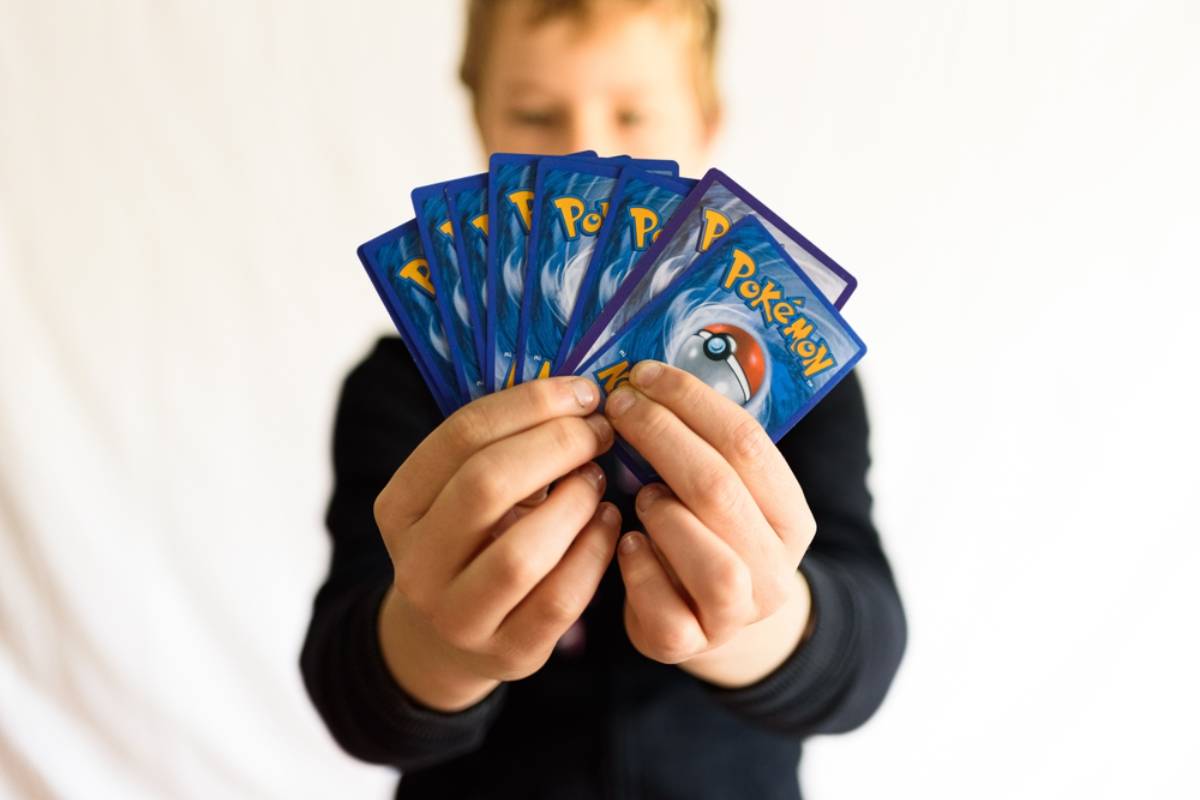
A stepmom said her 11-year-old stepson has loved collecting Pokémon cards for quite some time. His interest originally went beyond simply putting cards in a binder because he wanted to learn how the actual game worked. Wanting to meet him halfway, she bought herself an electric deck from a local game store and even watched videos online so she could understand how to play.
She thought she was doing exactly what a parent should do when a child becomes passionate about something. Instead, the moment she told him she had gotten a deck too, his excitement disappeared almost instantly. He told her the game was stupid, and the deck that was supposed to bring them together ended up gathering dust.
The Cards Somehow Survived While the Game Didn’t
The surprising part was that the boy did not lose interest in Pokémon entirely. He still enjoyed collecting cards and putting them into his binder, even though he no longer seemed interested in actually playing with them. His stepmom continued buying him cards occasionally so he could add to the collection.
Her own deck, meanwhile, remained untouched. She had gone from studying the rules and trying to learn the game to essentially becoming the owner of a very colorful box of unused cards. The whole situation left her wondering whether this was just an 11-year-old phase or whether she had somehow made herself officially uncool by showing interest.
One Person Pointed Out That She May Have Discovered a Parenting Superpower
A response from a person took a completely different approach to the situation. Instead of seeing the failed Pokémon bonding attempt as a disaster, that person suggested the mom had accidentally discovered a way to make undesirable behavior uncool. The joke was that parents could apparently use the same technique whenever they wanted a child to stop doing something.
The idea was simple enough to be hilarious. If a child suddenly thinks something is amazing, the parent could enthusiastically take an interest in it and potentially destroy its coolness overnight. What began as sympathy for the stepmom quickly turned into people imagining all the questionable possibilities of this unexpected parenting trick.
Another Parent Had Already Used the Same Trick
A response from a person with three children said the tactic had actually worked in their own home. Their children had picked up a repetitive phrase that had become popular, and the parent found a way to make it feel completely outdated by embracing it herself. Before long, one of the children was apparently declaring that it was something from the previous year.
The stepmom understood the strategy immediately. She explained that she had even needed to ban the phrase in her home because her 2-year-old had started copying the sounds. She did appreciate that the toddler was practicing language and counting, but listening to the same thing for hours while stuck at home had become another matter entirely.
Then Someone Revealed an Even Sneakier Version of the Trick
A response from another person involved thrift shopping rather than Pokémon or silly phrases. Their daughter disliked buying discounted items and had no interest in shopping secondhand. Whenever the parent bought something she thought her daughter would like, the girl would simply ignore it.
So the parent changed tactics. Instead of giving the items directly to her daughter, she started buying them and placing them in her own closet, where they suddenly became much more interesting. Eventually, the daughter would ask to borrow them, and the parent conveniently failed to notice whenever those borrowed things never returned.
Even Teachers Apparently Know How to Break the Spell
A teacher shared that they had been using a similar method throughout their career. Whenever students latched onto some silly phrase or joke, the teacher would deliberately incorporate it into a lesson in an exaggeratedly grown-up way. The moment the adult joined in, the joke seemed to lose a lot of its power.
The explanation was particularly funny because it suggested children do not always need a lecture to lose interest in something. Sometimes all it takes is hearing a teacher or parent say the thing with complete confidence. Suddenly the forbidden or trendy phrase becomes painfully ordinary, which can be enough to send it straight into yesterday’s news.
The Pokémon Cards Turned Out to Be a Little More Complicated
Another response from a person pointed out that collecting Pokémon cards and actually playing the card game are not necessarily the same hobby. Plenty of collectors enjoy the cards themselves without having much interest in learning the game’s rules. From that perspective, the boy’s decision to keep collecting while abandoning the deck was not necessarily strange.
His stepmom explained that the family had also owned Pokémon games for various consoles. The boy had played one of the games but eventually gave it up after an especially rough battle against his father. After that defeat, he apparently decided he hated the game, while still remaining interested in Pokémon itself.
The Video Game Defeat Added a New Twist
The details of that battle made the story more complicated. The boy had been playing with a much lower-level Pokémon while his father had been playing for years and had a highly developed team. The result was a decisive loss, and the boy quickly lost interest afterward.
The stepmom insisted that the boy had been confident going into the battle and that the family did not believe in deliberately playing badly just to guarantee a child’s victory. Still, a response from a person pointed out that matching a child with a similarly developed team might have at least made the competition feel more balanced. What had started as a conversation about Pokémon suddenly became a small debate about how families handle losing.
She Said Her Stepson Has a Complicated Relationship With Competition
The stepmom added that competitive games can be especially difficult with her stepson. According to her, he tends to celebrate heavily when he wins but becomes very upset when he loses. That made it harder for the adults around him to know exactly how much they should adjust the experience.
She also pointed out that the Pokémon card game would have been a different story because everyone would have been learning the same game on more equal footing. The video game battle had involved a large difference in experience and character strength. Still, the fallout was enough to send one more favorite activity toward the shelf.
Then Someone Said the Real Problem Was Much Simpler
A response from a person summarized the age-related part of the situation in one sentence: at 11, showing too much personal enthusiasm for a child’s favorite hobby can be dangerous. The joke was that the quickest way to make something uncool is for a parent to become genuinely excited about it. For the stepmom, that explanation seemed painfully believable.
She responded with a laughing admission that she had clearly made the mistake herself. She had watched videos, bought equipment, and tried to learn the hobby specifically because she wanted to understand something her stepson enjoyed. Her good intentions had apparently triggered the exact reaction she never saw coming.
She Already Knows She Isn’t Supposed to Be Cool
The stepmom did not seem particularly offended by the boy’s reaction. She openly acknowledged that she has never considered herself cool and said being cool was not really one of her goals. Instead, she seemed to have developed a more realistic objective: knowing that she is uncool before her children have to remind her.
That attitude became even clearer when she shared another recent incident. She had been dealing with severe back pain and was lying down on the porch while waiting for her stepson to come home. When he arrived, he told her that his friends thought she was weird, and her reaction was essentially that the children had merely discovered something she already knew.
Someone Explained That This Is How Children Separate From Their Parents
A response from a person suggested that insulting a parent can sometimes be part of the process of developing an independent identity. As children get older, they begin caring more about how their friends see them and less about whether their parents approve of everything they do. Suddenly, the person who was once their favorite source of entertainment can become deeply embarrassing just by existing nearby.
The stepmom seemed perfectly capable of laughing at the situation. Rather than treating the comment as a personal attack, she recognized it as another example of her stepson’s growing awareness of the social world around him. At 11, having a parent who is “weird” may simply be another milestone on the road toward becoming his own person.
Another Parent Had Noticed the Same Divide at Home
A response from a person raising an 11-year-old described a very similar family dynamic. In that home, the child apparently viewed Mom as lame and annoying while considering Dad much cooler and more exciting. Even ordinary activities could feel different depending on which parent suggested them.
The difference was not necessarily about one parent being more involved or loving than the other. It seemed more like a child naturally assigning different identities to the adults around him. In one parent’s case, even household chores could become appealing when Dad was the one doing them.
But Not Every Child Decides Parents Are Automatically Uncool
Another person offered a completely different family experience. Their children, ages 13 and 11, still enjoyed doing many activities with both parents and had always been encouraged to explore interests together. Instead of waiting for the children to grow out of those shared hobbies, the parents had continued finding things everyone could enjoy.
That response reminded the stepmom that children do not all follow the exact same timeline. Personality, friendships, family relationships, and peer influence can all shape how quickly a child starts distancing himself from parental interests. In her stepson’s case, however, the sudden Pokémon rejection certainly made the timing feel suspicious.
The Stepmom Suspects His Friends May Be Influencing Him
The boy’s behavior did not seem to fit neatly into a simple “I hate Pokémon now” explanation. He still wanted cards for his binder, he still had a history of enjoying the games, and he had previously been enthusiastic about learning to play. The bigger change appeared to be whether the activity felt socially acceptable and genuinely his.
The stepmom even wondered whether peer influence might be part of the reason. Her stepson attends school for most of the day, spends time around other children, and is clearly beginning to care about what those children think. Once friends become part of the equation, a parent’s enthusiastic support can apparently feel less like encouragement and more like evidence that something is no longer cool.
In the End, Her Pokémon Deck Became the Funniest Part of the Story
The irony was hard to miss. The stepmom had purchased the deck because she wanted to connect with her stepson and learn something he cared about. Instead, her involvement may have been exactly what made the hobby less appealing to him. Meanwhile, she still buys him cards from time to time, proving that she has not stopped supporting an interest he clearly still enjoys.
The abandoned deck now sits as a perfect reminder of the strange stage he is entering. He may not actually be done with Pokémon, he may simply be done with doing it with an adult. And somewhere between the forgotten deck, the binder full of cards, and the occasional reminder that Mom is apparently weird, the stepmom has discovered that raising an 11-year-old sometimes means becoming uncool simply by trying to be supportive.