A Teen Says His Mother Kept Hitting Him During Arguments, and One Day He Finally Hit Back

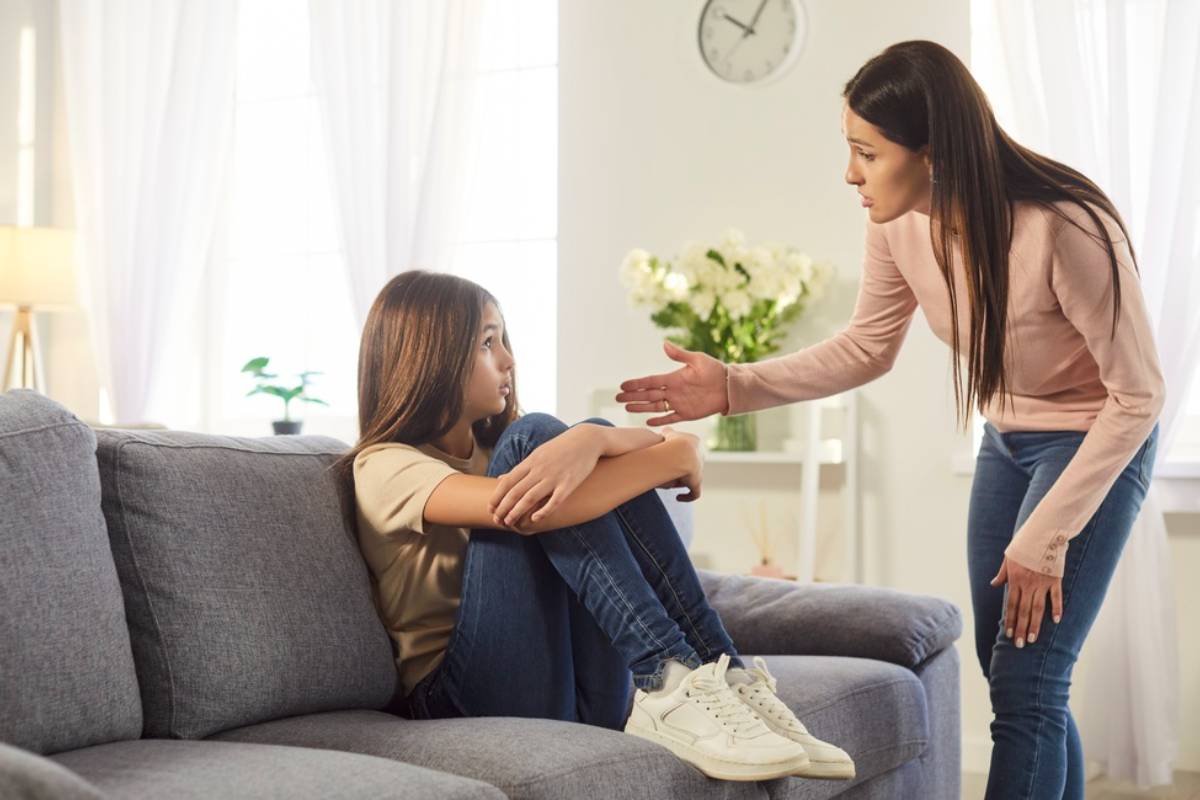
A 16-year-old boy shared his story about growing up with a mother who regularly provided for him but could become aggressive whenever he made mistakes. She bought him things whether he needed them or not, and from the outside, that might have looked like a comfortable childhood. Inside the home, however, ordinary mistakes could quickly turn into explosive arguments. Forgetting something as simple as doing the dishes could lead to shouting, insults, and physical punishment.
The teenager said his mother often became angry over things he did wrong without explaining how he could actually improve them. He also felt that she blamed him for problems involving his father, even though those issues were not his responsibility. At times, he tried using strategies he had learned from his therapist to handle difficult situations more calmly. Instead of making things better, though, those attempts sometimes seemed to make his mother even more upset.
Gifts Never Made the Anger Disappear
The boy explained that his mother had always made sure he had material things, which made the situation more confusing for him. She could be generous and attentive in one moment and harsh in another, leaving him unsure of what would trigger the next argument. He seemed to understand that providing food, clothing, or gifts did not erase what happened during angry outbursts. Over time, the contrast between the two sides of his home life became harder for him to ignore.
He also described feeling trapped by expectations that seemed impossible to meet. A small mistake could become a major confrontation, and he never knew whether trying to explain himself would calm things down or make them worse. That uncertainty left him constantly trying to avoid another explosion. Eventually, the tension became something he carried with him even during ordinary parts of the day.
The Situation Reached a Breaking Point
The latest confrontation began when his mother tried to hit him again. This time, instead of simply standing there, the teenager grabbed her arm and blocked the slap. He was already trying to stop the situation from escalating, but according to his account, that did not end the confrontation. His mother then kicked him hard in the knee.
She followed that by striking him with a broom handle, causing him significant pain. The teenager grabbed the broom handle in an attempt to stop her, but she responded by digging her fingernails into his wrist. He pulled his arm away, yet the attack continued. The argument had now moved far beyond a disagreement and into a physical struggle.
He Tried to Stop the Fight Without Fighting Back
The teenager said he initially focused on preventing the attacks rather than hurting his mother. He blocked the slap, grabbed the broom, and pulled away when she scratched his wrist. Those actions appeared to be attempts to create distance and stop the confrontation. Still, nothing seemed to make the situation settle down.
According to his account, his mother continued hitting him while shouting cruel insults. She also told him to die, which added another level of emotional intensity to an already frightening encounter. At that point, he said he stopped trying to calm her down because he felt completely overwhelmed. After enduring repeated attacks, he finally reacted in a way he had not before.
Then He Hit Her Back
The teenager eventually slapped his mother across the face with significant force. He said he used roughly the same level of force he believed she had used against him during the confrontation. The slap left a large red mark on her face, making the moment feel very different from the countless incidents he described experiencing before. For the first time, he had responded physically instead of simply trying to protect himself.
Afterward, the atmosphere inside the house suddenly changed. His mother became calmer but stopped speaking to him normally. Instead, she told him to leave the home and again said things about killing himself. The teenager was left wondering whether his response had crossed a line he could not uncross.
His Biggest Question Came After the Fight
Rather than focusing only on what his mother had done, the teenager began questioning his own actions. He wanted to know whether hitting her back had taken the situation too far. The fact that he was asking that question showed how conflicted he felt about the entire encounter. He had been hurt repeatedly, but he also knew that striking someone could have serious consequences.
A response from a person pointed out that violence was not a healthy solution while also recognizing the difficult position the teenager was in. That person encouraged him to speak with his therapist about what had happened instead of carrying the experience alone. The response also suggested exploring other options that might help him get away from the situation. For the teenager, however, there was an important complication.
He Had Already Experienced Foster Care
The teenager explained that he had previously spent a short period in foster care while his mother was receiving treatment at a mental health facility. Instead of remembering the experience as a safe escape, he described it as terrible. Because of that history, he was strongly against going back into foster care. The suggestion that sounded straightforward to someone else felt much more complicated to him.
That detail changed the conversation because it showed that leaving home did not automatically feel like an easy solution. He was caught between a difficult home environment and a previous placement that had also been deeply unpleasant. Another response from a person acknowledged that foster care could itself be a difficult experience. The teenager’s hesitation therefore came from something he had already lived through rather than simple unwillingness to accept help.
Other People Encouraged Him to Find Another Way Out
Several responses focused on the need for the teenager to find support outside the home. People suggested reaching out to a teacher, doctor, therapist, family support service, or another trustworthy adult. The common thread was that he should not have to manage repeated physical and verbal abuse by himself. Some people also encouraged him to explore specialized support programs rather than assuming every placement would be identical.
One response described programs that offered additional screening, therapy, and support for young people who needed a safer environment. The suggestion was framed as something he could discuss with his therapist, who might know what services were available in his area. Another person shared a personal experience of getting away from an abusive parent and rebuilding life elsewhere. The stories did not erase the teenager’s fear, but they showed that different forms of help might exist.
One Person Shared a Similar Experience
A particularly lengthy response came from a person who said they had experienced similar treatment from a parent. They described learning ways to protect themselves from physical attacks without intentionally trying to injure the other person. Over time, they became better at blocking attacks and creating enough space to avoid being struck. The person said that even as a young teenager, they eventually realized they did not have to accept being hit without resistance.
The person also described a later incident when they were legally an adult and the same parent appeared ready to strike again. This time, they stopped the raised arm and made it clear that the pattern would not continue. According to their story, the physical attacks stopped after that confrontation. Their experience became an example of how complicated family violence can become when someone spends years adapting to it.
The Teen Was Warned Not to Let Anger Take Over
Despite the sympathy in the responses, there was also concern about what could happen if the cycle of violence continued. People emphasized that reacting physically could lead to injuries, more conflict, or involvement from other adults and authorities. The teenager was encouraged to think beyond the immediate argument and consider how he wanted to handle future confrontations. That meant finding ways to protect himself without allowing every incident to become another battle.
His therapist was repeatedly mentioned as an important person to involve. A professional who already knew his circumstances could help him think through safety, boundaries, and possible resources. The teenager was also encouraged to keep learning healthier ways to cope with intense situations. The goal was not simply to survive the next argument but to find a path out of the pattern.
He Was Left With More Than a Bruise
The physical injuries from the confrontation were only part of what made the situation serious. He described pain in his knee and wrist along with the emotional impact of being insulted and threatened. After the fight, his mother’s words continued to hang over him even though the immediate physical struggle had ended. Instead of feeling relieved, he was left sitting with guilt, fear, confusion, and uncertainty.
That mixture of emotions seemed to be why he questioned himself so intensely. He knew the slap had hurt his mother, and he could see the mark it left on her face. At the same time, he had spent years being told that his mistakes deserved anger and punishment. The entire incident forced him to confront how deeply those experiences had affected the way he reacted under pressure.
The Responses Did Not All Focus on the Same Solution
The people responding to his story offered different ideas about what should happen next. Some focused on leaving the home, while others emphasized therapy, school support, or specialized services. A few people spoke mainly about self-defense and protecting himself during future attacks. Their suggestions varied, but many agreed that remaining isolated inside the situation could make everything harder.
The disagreement over the best path also highlighted how difficult the teenager’s choices were. He had already tried professional help, had already experienced foster care, and was now dealing with a new escalation at home. There was no simple switch that could instantly make everything safe. What seemed clear from the responses was that he needed support from adults who could understand the full picture.
He May Have to Decide What Comes Next
At only 16, the teenager was already thinking about how to become more independent. One person encouraged him to focus on learning useful skills and building a future that would give him more options later. Education, training, and supportive relationships were presented as ways to strengthen his ability to make choices for himself. The idea was to look beyond the latest fight and toward the life he wanted after leaving the situation.
That future could not erase what had happened, but it offered something the arguments inside his home had not: a sense of direction. Instead of spending every day trying to predict his mother’s next outburst, he could begin thinking about the kind of adult he wanted to become. The responses repeatedly encouraged him to learn from healthier people and keep asking questions when he needed guidance. For someone who had grown used to confusion, that simple advice carried weight.
The Slap Was Only One Moment in a Much Bigger Story
The teenager’s question sounded simple at first: Had he gone too far by hitting his mother? But the details he shared revealed that the slap was only one moment in a much larger pattern of conflict, fear, and physical violence. His account described years of trying to meet impossible expectations while absorbing the consequences whenever things went wrong. The confrontation simply brought years of tension crashing into one explosive moment.
What happens next could depend on whether he is able to connect with trustworthy adults and find a safer path forward. His story shows how complicated situations like this can become when someone is caught between wanting to protect themselves and fearing what their own reaction might mean. The responses from people who recognized parts of their own experiences offered him different perspectives, but the deeper issue remained his safety and future. For now, the teenager is left with a painful lesson about what repeated conflict can eventually produce when it is allowed to build for too long.