A Brooklyn Science Teacher Whose Students Grow Food in Hydroponics Club and Track Air Quality Won a $20,000 Robertson Award for Teaching

Sean McFadden has spent 13 years teaching science at Eagle Academy for Young Men II in Brooklyn, where his students grow food in a hydroponics club and measure the air around their own school. This fall he was named one of 10 New York City winners of the 2026 Julian Robertson Award for Excellence in Teaching, which comes with a $20,000 cash prize. Chalkbeat New York profiled him on Oct. 26, describing a teacher whose lessons start with the neighborhood his students walk through every day.
A Teacher Who Brings Science Outside the Classroom
McFadden teaches AP Environmental Science and a climate change elective at the all-boys public high school, listed in the city’s directory as Eagle Academy for Young Men II.
One of his best-known projects is an urban heat island investigation. Students use infrared thermometers to compare surface temperatures around the school, turning blacktop, sidewalks and shaded spots into a hands-on lesson about why some city blocks get hotter than others.
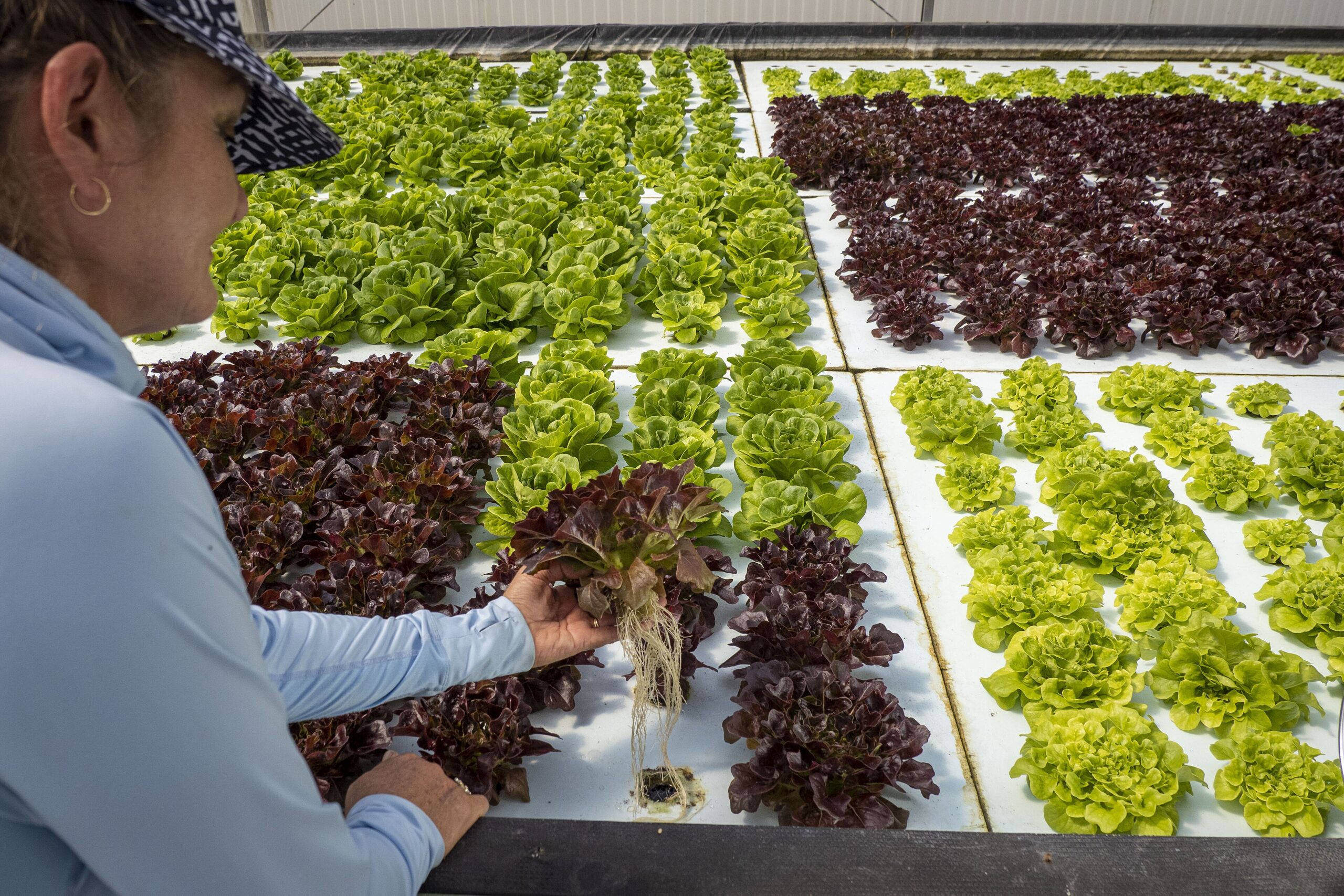
He also leads the school’s hydroponics club. According to Chalkbeat, one quiet freshman who joined the club later became its president and went on to serve on the NYC Public Schools Youth Leadership Council. The club’s harvests are part of how the school thinks about food access, and the produce is shared at the school’s Thanksgiving feast.
McFadden is the school’s sustainability coordinator as well. He leads a Green Team, organizes Climate Action Days and works with custodial staff on recycling and composting.
What the Robertson Award Is and How It Works
The award was created by Coleman Family Ventures in partnership with Tiger Foundation and is named for investor and philanthropist Julian Robertson. The 2026 winners were announced on Sept. 18, with McFadden listed among the 10 teachers honored. Each winner receives an unrestricted $20,000 prize, and finalists receive $5,000 each.
This is only the award’s second year. The announcement said nominations rose by more than 250% and that eligibility was expanded to full-time teachers in public schools across the city.
According to the program’s official FAQ, current full-time classroom teachers of any subject or grade at a New York City public school, including district schools, charter schools and city-contracted early childhood centers, can be nominated. Up to 10 teachers win each year. Nominations for the next round are open from Sept. 16 through Oct. 31, so families who have a favorite city teacher still have a few days to submit a name.
Shaping Climate Lessons Across New York City
McFadden’s work reaches well beyond his own classroom. He co-chairs the city Education Department’s Climate Education Leadership Team, a group of about 40 educators, and helped develop the climate curriculum the city has used for two years in its K-8 Summer Rising program.
He also leads a civic science pilot with 11 teachers in four boroughs. In that project, students use sensors to collect air quality data at their own schools, giving them real numbers about the air they breathe during the school day.
That work is arriving at a useful moment for families. New York has adopted a statewide climate education requirement for public schools. Under the state’s schedule, instruction begins in middle and high school grades with the 2027-2028 school year and in kindergarten through fourth grade with the 2028-2029 school year. Students must receive it by the end of grade 4, grade 8 and grade 12.
The Path That Led Him to Teaching
McFadden did not set out to be a teacher. He studied meteorology and began a Ph.D. in atmospheric science before realizing he preferred working with people over research.
About 15 years ago he joined City Year, an AmeriCorps program, and mentored high school students in Brooklyn. Teaching also runs in the family. His mother taught elementary school in the Bronx for 30 years.
He has credited several of his own teachers with shaping him, including his kindergarten teacher, an Earth science teacher and a chemistry teacher.
How He Spent the Prize Money
The $20,000 comes with no restrictions, and McFadden told Chalkbeat that much of it went to veterinary care for his cat, which later died. He used the rest to invest in his future and to help family members.
For parents, his story is a reminder of what one committed science teacher can add to a school. Students at Eagle Academy for Young Men II are measuring heat on their own sidewalks, tracking air quality in their own buildings and growing food they later share with classmates and families. A $20,000 award recognized that work, but the lessons are what students will carry with them.
Get stories like this by email. Sign up for The Parent Diaries Letter.
This article was produced with AI assistance and edited for accuracy against the sources linked above.
Image: Preston Keres/USDA/FPAC – Public domain/Wikimedia Commons