Zaiya Mariano Was 2 When She Was Diagnosed With Leukemia. Her Mom Joined a CHOP Program Teaching Families to Cook for Kids With Cancer, and Now Zaiya Is 6 and Cancer-Free.

Lemon turmeric gummies were one of the recipes, made to settle a child’s stomach during cancer treatment. Zaiya Mariano was 2 years old when she was diagnosed with leukemia in 2023, and during her second year of treatment her mom, Deborah Mariano, signed the family up for a program at Children’s Hospital of Philadelphia that taught parents how to cook for kids with cancer. Zaiya is now 6 and cancer-free.
The family’s story was reported by The Philadelphia Inquirer, which looked at the program CHOP ran with Drexel University. It was called Caregiver’s Kitchen.
When a Toddler’s Appetite Changes Overnight
Cancer treatment changed the way Zaiya ate. According to the Inquirer, her taste in food shifted after her diagnosis, and nausea from treatment sometimes left her with little appetite at all.
Other families in treatment face the same struggle, including the family of 4-year-old Bravely, whose near-weekly fevers turned out to be leukemia. Tracey Jubelirer, a CHOP pediatric oncologist who co-led the program, told the Inquirer that both cancer and its treatments come with a lot of toxic side effects.
She also pointed out something that is easy to lose sight of in the middle of treatment: kids going through cancer therapy are still growing and developing, Jubelirer said.
Deborah Mariano felt the gap herself. Families eat every day, she told the paper, but the information they have on how to actually eat is very limited.
Eight Weeks of Cooking Lessons on a Laptop
Caregiver’s Kitchen was a small pilot, built to see whether this kind of help would work for busy families. The study behind it, published August 4, 2026, in the journal Integrative Cancer Therapies, enrolled 10 caregiver-and-child pairs from two CHOP outpatient cancer clinics. The children were 4 to 21 years old and were all getting cancer treatment.
The program ran for eight weeks and was done entirely remotely. Families joined four live online cooking workshops on Microsoft Teams, co-led by a medical chef educator and a registered dietitian, then had four short one-on-one coaching calls with a dietitian.
Each topic was tied to a side effect parents were dealing with at home. For nausea, the Inquirer reported, families learned about lemon turmeric gummies, ginger and low-odor cooking. For constipation and stomach trouble, the sessions covered high-fiber foods like prunes, along with popsicles and fruit-infused water.
For kids who barely wanted to eat, the focus was on packing more into small portions. That meant ideas like adding avocado to mac and cheese, using nut butter and high-fat dairy, and working in what Drexel researcher Brandy-Joe Milliron called “hidden calories.” Milliron, who co-led the study, told the Inquirer the challenge was adding those calories in a way kids would actually find tasty.
There were also healthier takes on foods kids already liked, including ramen and Bagel Bites, plus tips the families traded with one another, such as hiding vegetables in sauce and using nutritional yeast to add calories.
What Zaiya Liked, and What She Didn’t
The Marianos tried the recipes during the sessions. Zaiya had opinions. According to the Inquirer, she liked a lemon recipe meant to ease nausea, but she did not like a turmeric milk recipe.
For her mother, the biggest help was not having to figure everything out alone. “It eliminated a lot of the preparation or decision fatigue,” Deborah Mariano said.
The family lived in Phoenixville, Pennsylvania, during the study and has since moved to South Brunswick, New Jersey, the paper reported. Support for kids in treatment often comes from outside the hospital too, as it did for Tommy LaFontaine, whose New Hampshire neighbors built him a tiny treasure house.
How the Families Rated the Program
The published study measured whether the program was practical and whether families wanted it, not whether it changed children’s health. The researchers said plainly that it was not designed to test that.
Families showed up. Of the caregivers, 80% attended at least three of the four workshops and 90% attended at least two coaching calls, the study found. They rated the program 4.35 out of 5 on average, above the 4.0 goal the team had set, and no harms were reported.
Some parts were harder. Seventy percent of families stayed through the end, just short of the 75% target, and fewer families finished the follow-up surveys over time. Caregivers said work schedules and long session recordings got in the way. What they valued most were the practical recipes, a starter kit and the one-on-one coaching.
The study was funded by a childhood cancer charity and a gift from the Stein Bellet Foundation, according to the paper.
A Larger Trial Planned for Next Year
The CHOP and Drexel team is planning a bigger, randomized trial next year, according to the Inquirer. It will run four weeks longer than the pilot and add new material on weight management and batch cooking. The sessions will be self-paced modules, which may help with the scheduling problems parents described.
Jubelirer told the paper the team hopes the program will one day be part of standard care at CHOP and other hospitals.
The Inquirer did not say which type of leukemia Zaiya had. Across childhood cancers, though, leukemia is the most common. According to CHOP, acute lymphoblastic leukemia, or ALL, is the most common form found in children, and its treatment can take months or years, with a maintenance stage that alone lasts 2 to 3 more years. The National Cancer Institute notes that ALL occurs most often in children ages 1 to 4.
Outcomes have improved sharply. The National Cancer Institute’s childhood cancer fact sheet says the five-year survival rate for children with ALL rose from 57% in 1975 to 92.3% in 2014 to 2020.
For families like the Marianos, a treatment plan that long means years of meals cooked around nausea, changing tastes and a child who is still growing.
Get stories like this by email. Sign up for The Parent Diaries Letter.
This article was produced with AI assistance and edited for accuracy against the sources linked above.
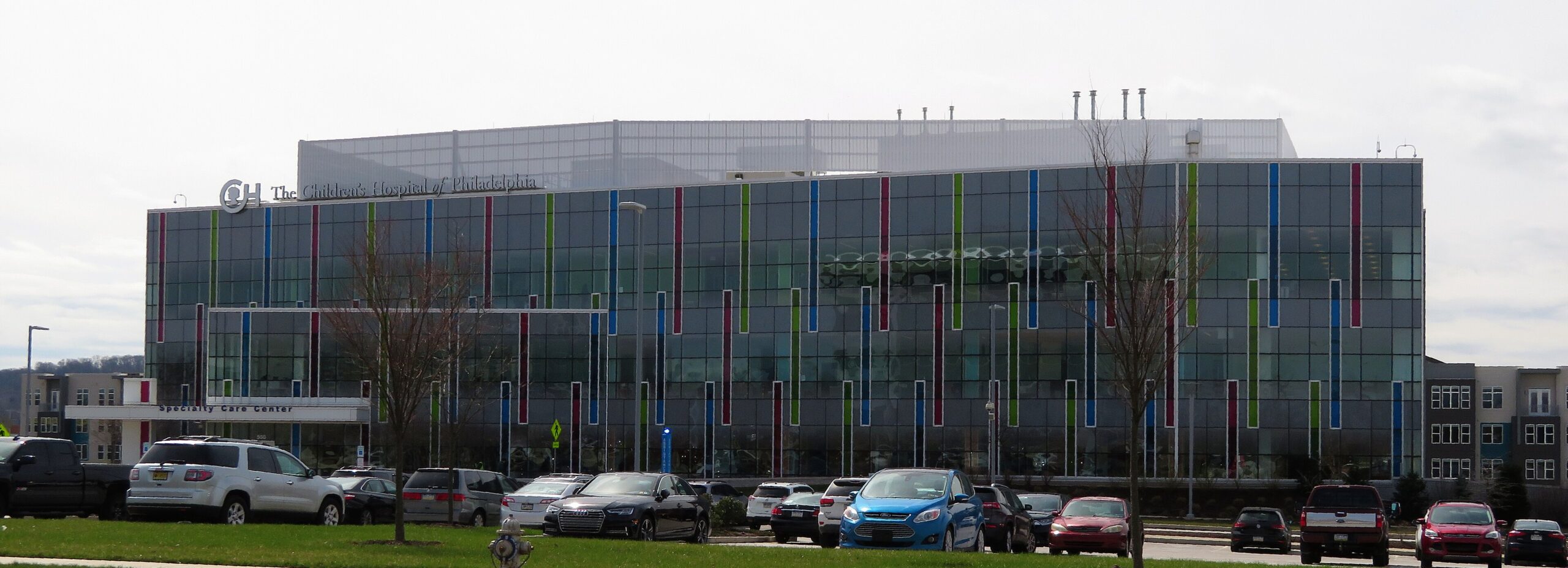
Image: “Children’s Hospital of Philadelphia, King of Prussia, Pennsylvania” by Ken Lund, CC BY-SA 2.0, via Wikimedia Commons