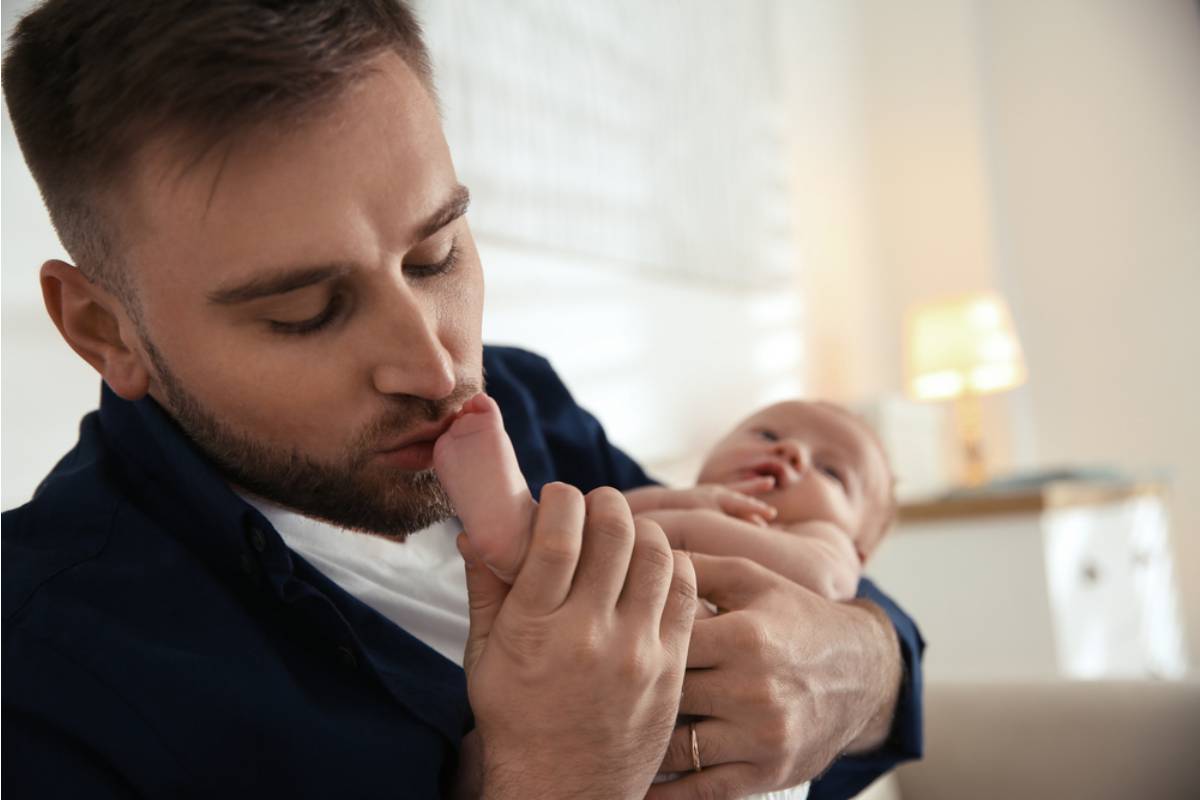
Dad Says His Father-in-Law Keeps Pushing a Family Name for Their Unborn Son, and They Have Already Chosen Something Completely Different

A dad shared his story as he and his wife prepared to welcome their first child, a baby boy who was only a couple of months away from arriving. The couple was already 99 percent settled on the first name, and they had been discussing the middle name they wanted as well. They were excited about finally meeting their son, but one family disagreement had started casting a strange shadow over the preparations.
The problem was his father-in-law, who had repeatedly made it clear that he wanted the baby to receive a particular middle name. He kept calling the name a family tradition for the first boy in the family. The couple had heard the suggestion so many times that it was no longer really a suggestion at all.
His Father-in-Law Had Made His Preference Very Clear
The dad explained that his wife’s father had been openly talking about the name for quite a while. It was not a vague hint or something the couple had to decode from a few awkward comments. He had directly told the dad, one-on-one and in conversations with both of them, that he wanted the family name passed down.
There was supposedly a tradition behind the request, although even the family was not completely certain how far back it actually went. The father-in-law and his son shared the same middle name, but the dad was not convinced that it represented some ancient family rule. Still, his father-in-law treated the custom as though the couple were expected to continue it.
The Couple Had Already Chosen Their Own Name
The couple did not dislike the idea of honoring family in general. In fact, the middle name they had chosen came from the dad’s paternal grandfather, a man who had played an especially important role in his childhood. He considered his grandfather one of his biggest role models, so the name carried real personal meaning rather than simply belonging to a family tree.
The first name was meaningful in a different way. Neither side of the family had an ownership claim over it because both parents had independently liked the name for years. They simply loved how the first and middle names sounded together, and for them, that combination already felt like their son’s name.
The Problem Was Not Just Tradition
The dad made an important distinction about why they were refusing the requested family name. They were not rejecting the idea of using a relative’s name just because it belonged to his wife’s family. They simply did not like the name being pushed on them, and they both honestly felt it was a poor fit for their child.
The father-in-law’s first name also happened to be extremely dated, at least from the couple’s perspective. The dad imagined a child growing up with an old-fashioned name that did not feel natural for his generation. So the disagreement was less about family loyalty and more about two parents not wanting to give their son a name they genuinely did not like.
They Tried Keeping the Name Secret
To avoid turning the pregnancy into a naming committee, the couple decided not to tell anyone the baby’s name before he was born. Whenever relatives asked, they simply explained that they were keeping the name private until the baby arrived. They hoped that withholding the information would prevent everyone from offering more suggestions.
That strategy worked only partially. The questions kept coming, and the father-in-law continued bringing up his preferred name anyway. The couple found themselves stuck in an awkward middle ground where they had never promised to use his choice, but they had also never directly told him that the answer was already no.
His Wife Had Tried to Leave the Door Closed
At one point, the dad’s wife told her father that she was essentially leaving the requested name available in case her brother ever wanted to use it. That might have sounded like a reasonable way to avoid an argument while still keeping the peace. Unfortunately, her father immediately pointed out that he thought his son was very unlikely to have children.
The brother was nearly 40, had never dated, and was described by the family as high functioning and on the autism spectrum. His sister believed it was possible he could eventually have children, but she also understood why her father considered that unlikely. The conversation revealed something important: her father’s attachment to the name was strong enough that even uncertainty about another future grandson was not going to make him let the subject go.
There Was Another Family Name in the Mix
The situation became more complicated because the couple had decided to use a name from the dad’s side of the family instead. His paternal grandfather had been a major influence on him, and honoring that relationship felt natural. The dad expected his in-laws might notice that choice and connect it to their own rejected request.
That concern was not completely unfounded. His wife’s parents already had connections to his family and occasionally saw his parents, while their home contained items and family heirlooms displaying his grandparents’ names. He was not interested in hiding those things just to prevent his father-in-law from learning where the middle name came from.
The Last Name Had Already Caused Feelings
There was already some family history around the baby’s identity. The wife had decided to take her husband’s last name, and her father had reportedly been disappointed by that choice. That made the dad suspect the middle-name issue might hit another sensitive nerve.
He did not describe his father-in-law as openly aggressive or cruel. Instead, he portrayed him as someone who tends to sulk, feel sorry for himself, and act deeply wounded when things do not go his way. His wife expected her mother might also take the decision personally, which was why the couple wanted to prepare for the reaction rather than simply announce the name and hope for the best.
They Did Not Want a Compromise Name
As advice started coming in, some people suggested adding another middle name, modifying the requested name, or finding a creative compromise. The couple quickly clarified that none of those options were what they wanted. They already loved the name they had chosen, and they were not looking for a way to squeeze another name into the birth certificate.
That distinction mattered to them. They were not struggling to choose a name and asking the family to help decide. They had already made the decision together and were trying to figure out how to communicate it without turning a happy family milestone into a major confrontation.
A Simple Conversation Became the Real Issue
The dad began to realize that the secrecy itself might be causing part of the problem. By repeatedly saying the name would not be revealed until after the birth, they may have accidentally left their father-in-law believing that his preferred name was still in the running. In his mind, the surprise could still be waiting.
One response from a person suggested being more direct without actually revealing the baby’s name. The couple could simply explain that they had already chosen the name and that it would not be the one the father-in-law had been campaigning for. That would not erase his disappointment, but it could remove the false hope that another round of persuasion might change their minds.
The Couple Worried About Hurting Him
The dad admitted that part of him felt guilty about the entire situation. He knew his father-in-law was emotionally invested in being honored, and he did not want to be unnecessarily cruel about something that obviously mattered to him. At the same time, he also knew that bending on something as permanent as his son’s name simply to protect an adult’s feelings would create resentment of its own.
His goal was not to win an argument or embarrass anyone. He wanted to be firm without being hostile and gentle without giving the impression that the decision was negotiable. That balance was proving much harder than actually choosing the baby’s name.
Then the Brother’s Situation Made It Even More Personal
The father-in-law’s focus on the name seemed connected to his son’s future as well. Because his son was nearing 40 and had not had the kind of relationships that might lead to children, the requested baby could feel like a rare opportunity to continue a name he cared about. That made the emotional stakes higher, even if the couple did not share those feelings.
The dad could understand why the name mattered to his father-in-law without agreeing that it should belong to their son. His wife also did not feel a strong obligation to preserve every paternal family tradition, especially because she barely knew the grandfather associated with the name. For the couple, a family name only made sense when both parents genuinely liked it.
They Had Their Own Rule About Family Names
The couple had actually developed a fairly simple philosophy about honoring relatives. If they both liked a family name and both felt comfortable using it, they were open to the idea. But they did not believe either side of the family automatically received naming rights simply because a tradition existed.
That was why the grandfather’s name worked for them while the father-in-law’s did not. One represented a person who had profoundly shaped the dad’s life and a name they both genuinely enjoyed. The other represented a tradition they did not feel emotionally connected to and a name they simply did not want.
The Timing Suddenly Mattered More Than the Name
As the birth approached, the dad started thinking about when his in-laws should learn the truth. Telling them immediately could give everyone time to process the disappointment before the baby arrived, but it could also create weeks of unnecessary family drama. Waiting until the birth would protect the couple from a long argument, but it might also mean dealing with hurt feelings during an already exhausting moment.
That made the timing feel like a separate decision from the naming decision itself. The couple already knew what they wanted to do. The only mystery was whether they should allow the family to adjust beforehand or let the baby’s arrival make the decision unmistakably final.
They Did Not Want the Birth Day Ruined
One response from a person pointed out that labor and the first days with a newborn are already stressful enough. The couple did not want their son’s arrival competing with an argument about a middle name. Even if the father-in-law eventually accepted the decision, an emotional scene in the hospital or at home would be an unnecessary complication.
That possibility gave the dad another reason to consider being proactive. He could imagine calmly telling his father-in-law that they appreciated how much the tradition meant to him, but they had decided not to continue it. The conversation might sting, but at least everyone would walk into the baby’s arrival knowing where the couple stood.
The Twist Was That They Were Already Honoring Family
Ironically, the couple was never planning to ignore family history altogether. They had already chosen a middle name connected to the dad’s grandfather, someone who had left a lasting mark on his life. Their son would carry a family connection from one side, just not the one his maternal grandfather had been demanding.
That detail changed the story from a rejection of tradition into a choice between two different kinds of family meaning. The couple was not saying family names were unimportant. They were saying that they wanted the honor to come from a relationship that mattered personally to them rather than from pressure.
The Baby’s Name Was Never Actually a Family Vote
By the end of the story, the couple seemed less confused about the name than they had been about how much responsibility they should take for everyone else’s reaction. They could be considerate, explain the decision kindly, and give the grandparents room to feel disappointed. What they could not do was make their son’s name into a negotiation simply because another adult had a strong preference.
The biggest twist was that there was nothing left to decide about the baby’s name at all. The real decision was whether the couple would keep trying to manage the feelings of people who had no final say in it. Their son was on the way, his name had been chosen with care, and now the family would have to learn to love the child without getting to choose the name that came with him.