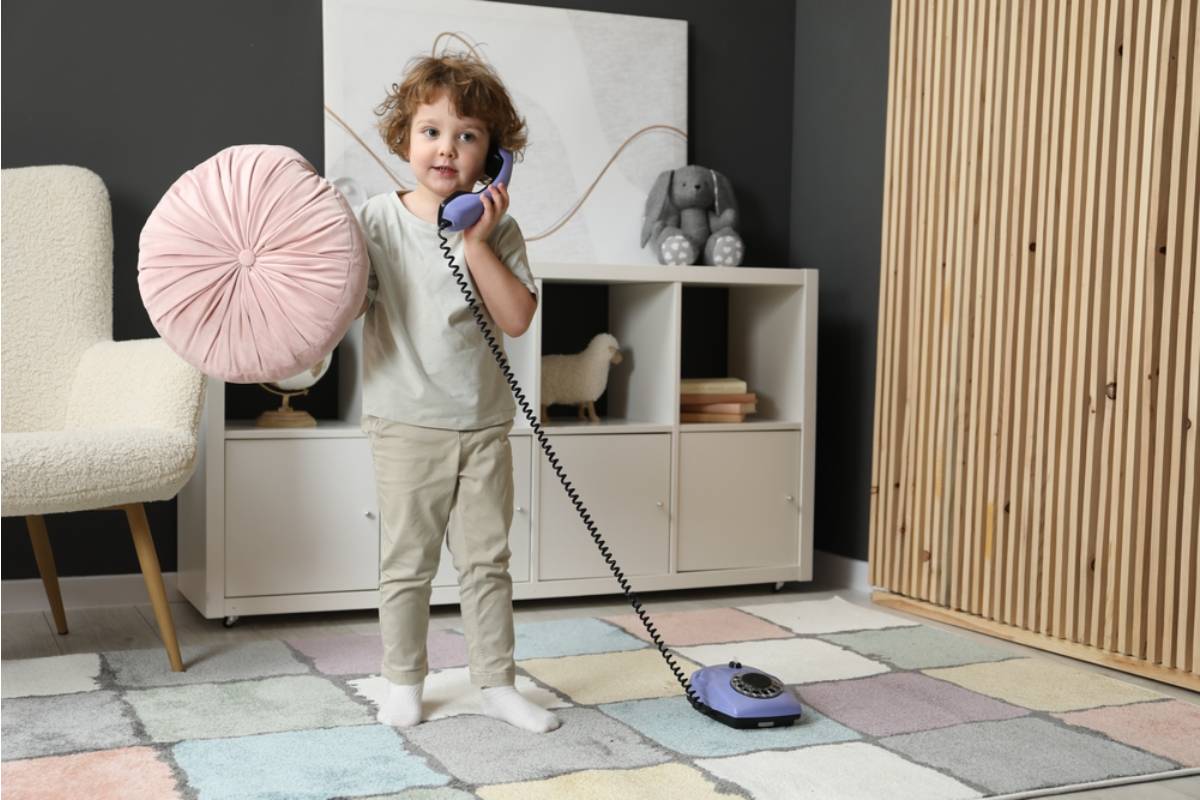
Mom Says Her 4-Year-Old Turned Into Her Emergency Lifeline After She Suddenly Collapsed at Home

A mom shared her story about a frightening morning that began with something she had experienced many times before: hives. She woke up covered in raised, itchy spots, mostly across her breasts, stomach, and legs, but she did not initially think it was an emergency. Since she had always had sensitive skin and experienced hives fairly often, the unusual morning did not immediately send her into panic mode.
She took a picture of the hives and sent it to her husband, who was at work, before taking some Claritin and continuing with her normal routine. She had no known food allergies and had never experienced a serious or anaphylactic reaction before. From her perspective, it seemed like another uncomfortable skin reaction that would probably pass.
Her Four-Year-Old Immediately Noticed Something Was Wrong
The situation changed slightly when her four-year-old saw the hives and started asking questions. The child had several food allergies personally, so allergic reactions were already a familiar subject in the household. When the child asked whether their mom was having an allergic reaction, she said yes, but reassured them that it was not as serious as the reactions they had experienced.
That answer apparently did not stop the four-year-old from going into emergency-prep mode. They began explaining the steps they had practiced so many times at home, including what to do during a serious allergic reaction. The mom listened as her tiny instructor calmly went over the basics, never realizing that those lessons were about to become very important.
The Child Started Repeating the Family’s Emergency Lessons
The four-year-old explained that an EpiPen could be used during an allergic reaction and talked about lying down and calling for help. These were not random facts the child had picked up somewhere, either. The family had regularly practiced what to do during an allergic emergency because of the child’s own food allergies.
At that moment, the lessons probably seemed like just another exercise in helping a young child understand something important. The mom still believed her reaction was mild, so there was no reason for anyone to think the practice was about to become real. Then, roughly half an hour later, everything changed.
The Mom Suddenly Became Lightheaded
About 30 minutes after the conversation, the mom began feeling lightheaded. Soon after that, she vomited, and then she passed out. The casual morning that had started with hives had suddenly turned into a much more serious situation.
The four-year-old recognized that the combination of symptoms was no longer something to ignore. According to the mom, the child understood that hives followed by passing out could indicate an anaphylactic reaction. That realization became the turning point of the entire story.
A Four-Year-Old Realized the Situation Had Escalated
Instead of freezing or becoming overwhelmed, the child acted on the emergency lessons they had practiced. The four-year-old called their dad, retrieved the EpiPen, and administered it to their mom. For a preschooler, it was an astonishingly serious set of actions to carry out.
The child’s father was still at work when the call came through, and he immediately began racing home. He was also watching the family camera while driving, allowing him to keep track of what was happening as he tried to get there as quickly as possible. Suddenly, those ordinary emergency drills had become the most important thing the family had ever practiced.
Dad Rushed Home While Watching the Camera
The father said he managed to get home in about 10 minutes from the time the four-year-old called him. During those minutes, he was dealing with the terrifying reality that his wife had collapsed while their young child was handling the emergency.
By the time he arrived, the situation had changed again. The mom was awake, lying there and crying, while her child had already taken the crucial steps they had been taught. The entire family had gone from an ordinary morning routine to an emergency and then, thankfully, toward recovery.
The Family Still Went to the Emergency Room
Even after the mom regained consciousness, the family did not simply brush off what had happened. She went to the emergency room to get checked out after the frightening episode. Once the immediate crisis had passed, there was still the very real question of what had caused such a dramatic reaction in the first place.
The mom later said she had no idea what had triggered it. She had not eaten anything different from her usual food, which made the mystery even more frustrating. An allergist appointment was eventually scheduled, although she said the earliest available appointment was still about six months away.
The Biggest Twist Was How Little the Mom Expected
Looking back, the mom admitted that she knew the signs of anaphylaxis but somehow failed to recognize them in herself. Because she had never had a serious allergic reaction and did not believe she was allergic to anything, she initially interpreted the hives as another familiar skin problem.
That made the four-year-old’s actions even more remarkable. The child did not have the same assumptions their mom had, and instead relied on the emergency information they had practiced. In a strange twist, the youngest person in the house became the one who recognized that the situation had crossed a dangerous line.
The Child Knew How to Reach Dad
One of the details that surprised people was how the four-year-old managed to make the phone call in the first place. A response from a person asked how the child had been taught to handle the phone and whether it was locked.
The mom explained that the child used her phone and had practiced emergency calls during their daily lessons involving letters and numbers. The child also knew the legal names of mom, dad, and the grandparents, as well as the family’s address. The mom had even shown the child how to reach emergency calling from the lock screen and where to press to call either dad or 911.
Emergency Practice Had Become Part of Everyday Learning
What sounded like an ordinary educational routine turned out to have prepared the child for something no parent wants to imagine. Instead of teaching emergency information only during occasional conversations, the family had worked those lessons into everyday practice. The child had apparently absorbed much more than simple memorization.
Several responses from people focused on that preparation as much as the emergency itself. They pointed out that the child was able to stay calm and use information that had been taught repeatedly, rather than panicking when the moment arrived. In the middle of a terrifying situation, those little practice sessions suddenly mattered in a very big way.
People Had Plenty of Praise for the Young Hero
A response from a person called the child a hero, while others expressed amazement that a four-year-old had listened carefully enough to remember the instructions. Another person noted that the situation showed how much young children can do when they are given knowledge and practiced with regularly.
The praise was mixed with a little humor, too. One response joked that while the commenter’s own four-year-old could barely cooperate with getting dressed, this child apparently had emergency medical procedures down. The mom laughed at the comparison and admitted that her child still could not put on a shirt alone or wipe their own bottom, making the contrast even funnier.
The Story Also Brought Up One More Lesson
Several people pointed out that the child should also know how to call 911 during an emergency. The mom agreed and said the family planned to go over that skill more thoroughly, especially because the child already knew how to make emergency calls and knew the home address.
There was one reason the family had not immediately added another dramatic lesson after the incident. The mom did not want the child to connect the 911 discussion with what had just happened and come away believing they had done something wrong. She wanted to make it clear that the child had handled the emergency, while treating future emergency training as a normal part of growing up.
The Family Had a Reason for Calling Dad First
The child’s father was also questioned about why he did not simply have the child call 911 first. The mom explained that he did not want to hang up on the four-year-old because he was worried the child might become scared or confused if left alone with an operator.
She also explained that the family lived somewhat in the middle of nowhere, and the father believed he could get home faster than emergency responders could reach them. Whatever the logistics of that moment, the important part was that the child managed to contact an adult, administer the medication, and remain nearby until help arrived.
The Mom Was Left With Mixed Emotions
After everything was over, the mom said she was incredibly proud of her child. At the same time, she felt horrible that the child had been placed in such a serious situation at such a young age. It is easy to imagine the emotional whiplash of being frightened for your own life while also watching your four-year-old suddenly become the person helping save you.
The mom also acknowledged that the event made her look differently at the emergency lessons she had been teaching. What once seemed like simple preparation for a child with allergies had unexpectedly helped protect the parent as well. The family had prepared for one kind of emergency, only to discover that the lessons could matter in a completely different way.
A Scary Morning Ended With a Treat
After the emergency room visit, the family headed home, and the four-year-old received a treat for everything they had done. It was a small gesture after an enormous morning, but it gave the family a chance to celebrate that the crisis had ended safely.
The mom’s story ultimately became less about the mystery of what triggered the reaction and more about the child who refused to ignore the warning signs. The youngest member of the household had listened, remembered, and acted when it mattered most. What began as an ordinary morning with a few hives ended with a very proud mom realizing just how much her little child had already learned.