Eliza O’Neill’s Parents Raised $2 Million When She Was Little to Fund a Gene Therapy for Her Rare Disease, and at Almost 17 She Has Now Seen the FDA Approve It

In the spring of 2014, a dad named Glenn O’Neill posted a video called “Saving Eliza” and asked strangers to help pay for an experimental treatment that did not yet exist for humans. His daughter was 4 years old and had a disease that usually kills children in their teens.
Twelve years later, that daughter is almost 17, and the gene therapy her family helped fund is approved. The FDA cleared it on Sept. 17, 2026, and Eliza O’Neill’s family told NPR’s reporting, published by Connecticut Public, how a viral fundraiser turned into the first approved treatment for her condition.
A Diagnosis With No Treatment
Eliza was falling behind on developmental milestones by age 3. In 2013, a test for metabolic disorders came back positive for Sanfilippo syndrome, a rare inherited disease, according to the NPR report.
Sanfilippo stems from a faulty gene that leaves the body unable to break down a particular molecule. As it builds up, children gradually lose the ability to speak and walk, develop seizures and usually die in their teens. When the family spoke to Good Morning America in June 2014, they said they expected Eliza to lose her speech by age 5 and not survive past her 20s. GMA cited a National Institutes of Health estimate of one in 70,000 births for all forms of the disease.
Her mother, Cara O’Neill, is a pediatrician. Even with that background, there was nothing on a pharmacy shelf to offer her own child.
A Fundraiser That Broke Records
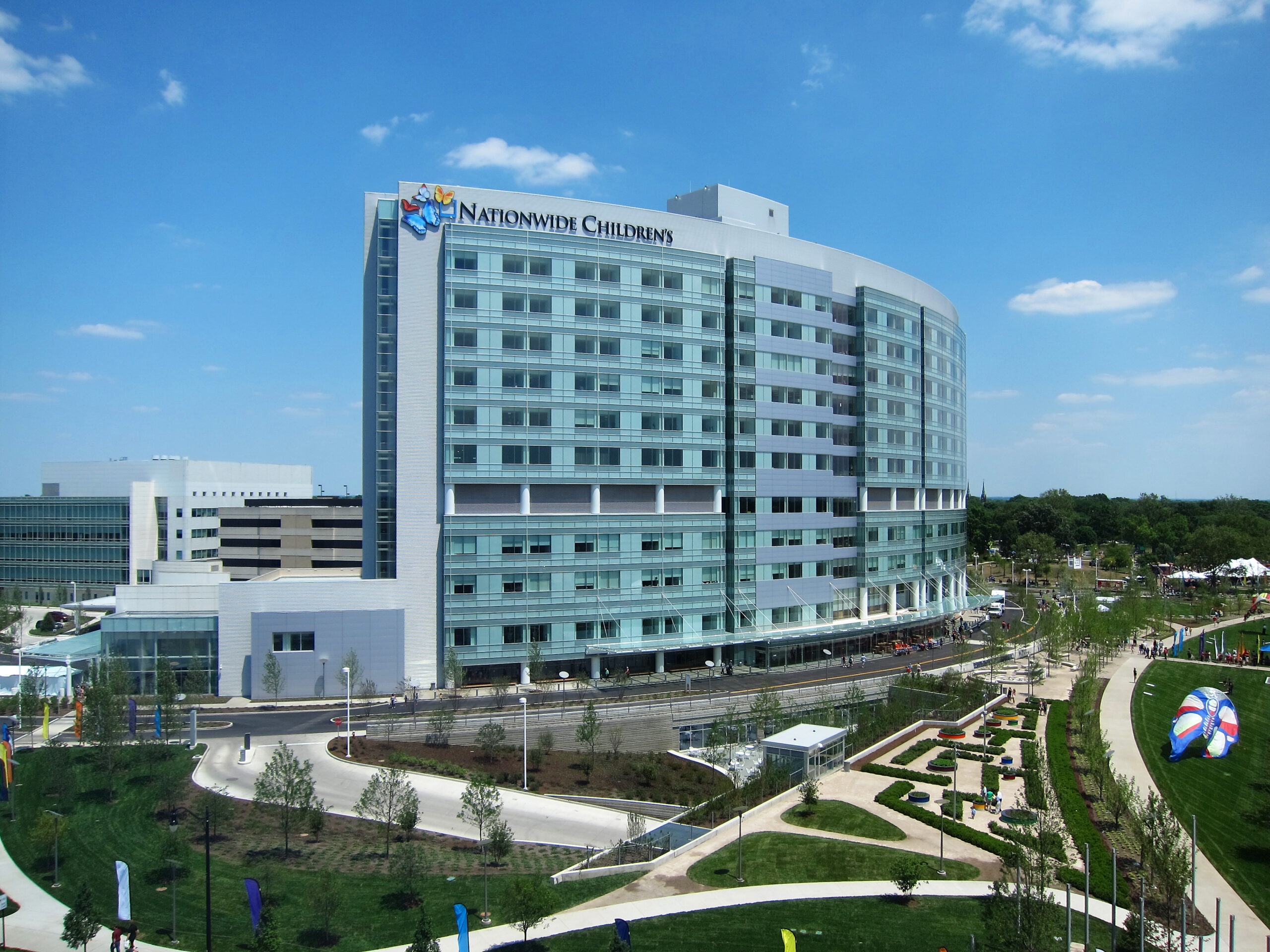
What did exist was a lab in Ohio. At Nationwide Children’s Hospital in Columbus, researcher Haiyan Fu had been developing a gene therapy in mice since the late 1990s. The approach uses a modified virus to deliver a working copy of the faulty gene.
Fu nearly had to stop around 2009, NPR reported, but families of children with Sanfilippo kept the research alive. Eight family foundations, including Ben’s Dream and Cure Kirby, paid for the work until it was ready for human trials.
The O’Neills joined that push in a big way. By early June 2014, their campaign had raised more than $777,000 and was closing in on what was then GoFundMe’s record, GMA reported. The family said at the time that it needed roughly $2 million to get a clinical trial running. NPR’s report says the campaign went on to raise $1 million and later $2 million.
In May 2016, the first human trial began. Eliza was the first patient to receive the therapy.
The Long Road to an FDA Approval
Ultragenyx acquired the rights to the therapy in 2022, kept the study going and later submitted it to the FDA. The road was not smooth. In February 2026, Cara O’Neill, now chief science officer of the Cure Sanfilippo Foundation, told the U.S. Senate Special Committee on Aging that a gene therapy drug had been denied approval the previous summer over manufacturing questions rather than safety or how patients responded.
The approval finally came this fall. The FDA cleared the one-time treatment on Sept. 17 for children with Sanfilippo syndrome type A, also called MPS IIIA, making it the first FDA-approved treatment for pediatric patients with the condition, according to AABB’s summary of the approval. In the study behind it, children ages 2 to 5 who received the therapy kept or improved their cognitive function compared with untreated children from a historical group.
The science behind it is the same idea Fu was testing in mice decades ago. The treatment uses a modified, non-infectious virus known as AAV9 to carry a working copy of the SGSH gene into cells, so they can finally make sulfamidase, the enzyme children with type A are missing. AABB’s summary notes that the most common side effects included raised liver enzymes, nausea and vomiting, fever and lower blood counts, and that the FDA flagged risks including a blood-clotting disorder called thrombotic microangiopathy and possible long-term tumor development. The therapy carries Orphan Drug, Fast Track and Breakthrough Therapy designations.
The infusion is sold as Fayuvi. Its U.S. list price is $3.95 million, and the type A form of the disease is estimated to affect about 3,000 to 5,000 patients in the markets the company can reach, Pharmaceutical Technology reported. Ultragenyx CEO Emil Kakkis told NPR the company is committed to treating every patient regardless of price.
Fu, the scientist who started it all, told NPR that it should not have taken this long.
Eliza at Almost 17
The therapy came too late to give Eliza everything back. She never regained her ability to speak. But she communicates with picture cards and devices, goes to school and, this past summer, learned to float on a pool noodle.
For a girl whose parents were once told to expect the worst before her 20s, those details carry enormous weight. Her father told NPR he simply feels proud of his girl.
The approval also changes what families hear on diagnosis day. When the O’Neills got their answer in 2013, there was no treatment to offer. Families of very young children diagnosed with type A now have an approved option, one that exists in part because a mother, a father and a 4-year-old in a viral video convinced strangers to bet on a lab in Ohio.
Cara O’Neill’s Senate testimony made the stakes plain. She described three children with Sanfilippo: one who received no treatment in time and died before 15, and two treated in a gene therapy trial who have shown significant benefits. The difference between those outcomes, she argued, is time.
Get stories like this by email. Sign up for The Parent Diaries Letter.
This article was produced with AI assistance and edited for accuracy against the sources linked above.
Image: Nheyob, CC BY-SA 3.0, via Wikimedia Commons