Doctors Couldn’t Explain Jennifer Saterdal’s Fever and Red Spots in 1985. Her Grandmother Had Read About Rocky Mountain Spotted Fever in a Magazine.

In the summer of 1985, two Florida siblings lay in a hospital with fevers that would not break, and the doctors treating them had no diagnosis. Jennifer Saterdal was 8. Her brother Sal was 6. The answer came from their grandmother, Beverly, who had read about the illness in a magazine and drove to the hospital to say so.
Saterdal, now an author who lives in Washington state, told the story in a personal essay that first ran on HuffPost and was republished by BuzzFeed on Oct. 25, 2026. She writes that she has spent four decades trying to understand how her grandmother knew.
Two Children, a Hospital Room and No Answers
According to Saterdal’s essay, both children came down with high fevers and red spots. They grew sensitive to light, lost control of their bowels and became so lethargic that they slept through the days and could barely walk to the bathroom.
The first round of tests came back inconclusive. “The doctors had run out of answers,” Saterdal wrote. A heading on the essay says Sal was given two days to live and she was given one.
Part of the problem, she explains, was the name of the disease that turned out to be making them sick. “The name ‘Rocky Mountain spotted fever’ threw people off, because nobody was looking for it there,” she wrote. They were in Florida, a long way from the Rocky Mountains.
The Grandmother Who Read the Article
Beverly was a secretary who had raised four children of her own. Saterdal describes her as an avid reader who loved thrifting, fishing and baking, and the only person allowed to call her “Jenny.”
Somewhere in her reading, Beverly came across a magazine article that described symptoms matching what her grandchildren had. Saterdal does not name the magazine. What she does describe is what her grandmother did next: Beverly went to the hospital in person and urged the doctors to consider the illness in the article, Rocky Mountain spotted fever.
“The doctors decided to give it a go because there was nothing to lose at that point,” Saterdal wrote. Within hours of Beverly’s visit, both children were being treated for it.
Saterdal credits her grandmother with saving both of their lives, and she does not soften how it must have looked to the medical staff. Beverly, she wrote, was “the crazy lady in the room that day.”
A Long Recovery for an 8-Year-Old
Both children survived. Recovery was not quick. Saterdal writes that she spent weeks in the hospital and was anemic for months afterward. She fell asleep in class and was held back a grade.
Sal recovered too. The essay includes a family photo from the day the two of them were released from the hospital.
What the Disease Actually Is
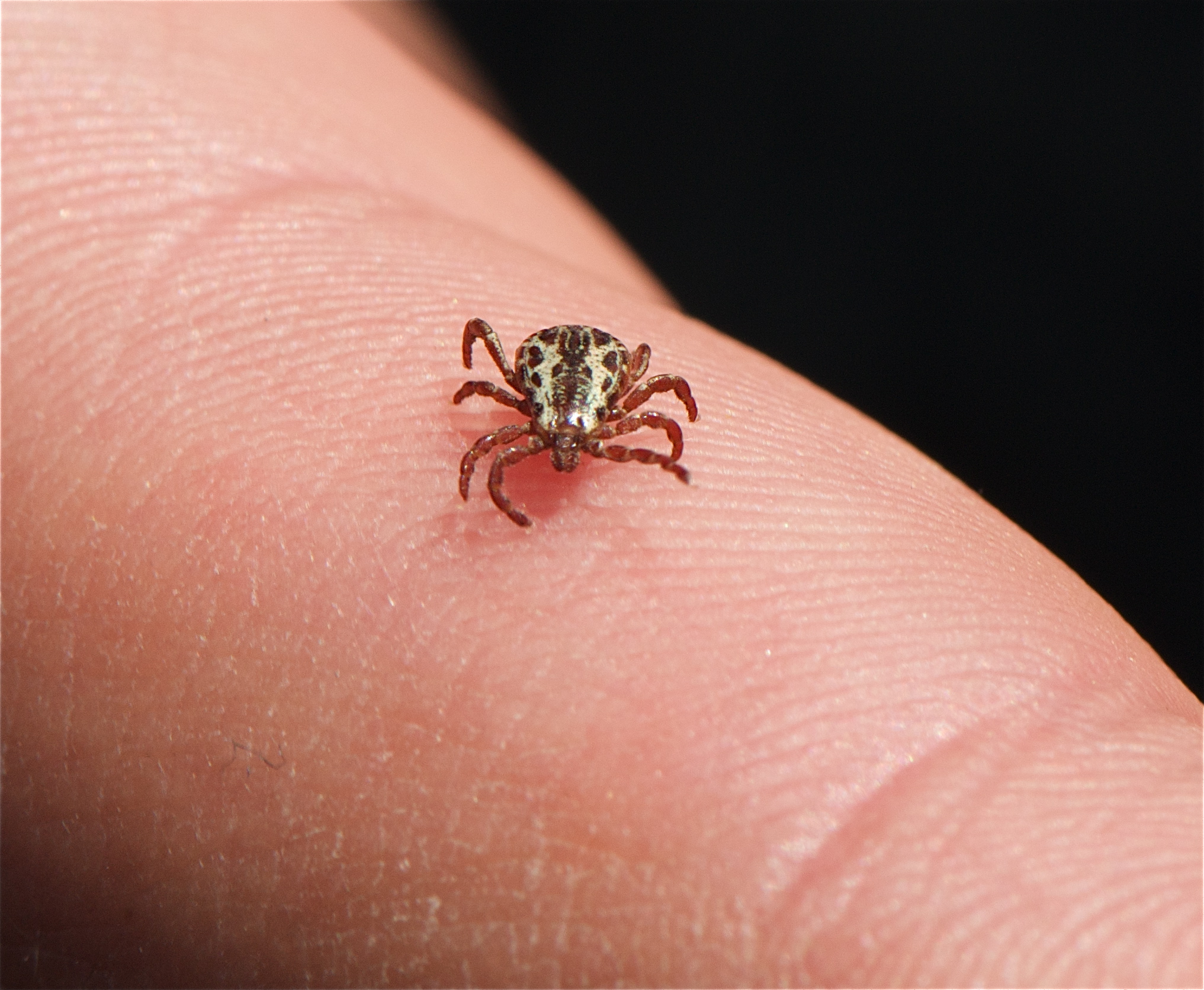
The Centers for Disease Control and Prevention describes Rocky Mountain spotted fever as a bacterial disease spread through the bite of an infected tick, and says it can be deadly if it is not treated early. Cases occur throughout the United States, not only in the mountain West the name suggests.
The CDC lists fever, headache, rash, nausea or vomiting, stomach pain, muscle pain and loss of appetite among the symptoms. Its guidance for doctors calls it a rapidly progressive disease that can be fatal within days without the right antibiotic. About 90% of patients eventually get a rash, the agency says, but fewer than half have one in the first three days, when most people first seek care.
Young children carry a heavier share of the danger. The CDC says children make up under 6% of spotted fever cases but about 22% of the deaths, and it lists being under 10 as a risk factor for severe illness. Sal and Jennifer were 6 and 8.
The CDC’s treatment page names doxycycline as the drug of choice for patients of all ages, including young children. Doctors are told to start it as soon as the disease is suspected rather than wait for confirmation, because it works best at preventing severe complications when given in the first five days of illness.
Saterdal’s essay makes the same point about the rash, writing that it is missing in more than half of early cases. She also cites the CDC estimate that about 31 million Americans are bitten by ticks each year, and reports that emergency room visits for tick bites rose 25% in 2026 compared with the same period a year earlier.
Why She Still Tells the Story
Saterdal now writes and speaks about tick-borne illness and the gaps in medical diagnosis. Her debut book, “Bitten: A Tick Survivor’s Warning About the Growing Tick Crisis,” came out July 13, 2026, according to her author website, which describes her and her brother being “given days to live in a Florida hospital” that summer.
The fear has not entirely left her. Six years before she wrote the essay, she says, her husband came home from a walk on a paved path at a Washington wildlife refuge with five ticks on his back. They removed them and watched him closely, and he was fine.
The CDC’s tick-prevention advice covers the steps families can take after time outdoors: an EPA-registered repellent, a shower within two hours of coming inside, 10 minutes in a hot dryer for clothes, and a full-body check of children and pets, including the hairline, ears, armpits, belly button and behind the knees.
The lesson Saterdal took from Beverly is less about ticks than about speaking up. “Being wrong only stings for a second. Being right when it matters is something else entirely,” she wrote.
She closes with advice for anyone sitting beside a sick child or grandchild who suspects the doctors are missing something: “Pay attention. Don’t brush it off. Speak up. It could mean the difference between life and death.”
Get stories like this by email. Sign up for The Parent Diaries Letter.
This article was produced with AI assistance and edited for accuracy against the sources linked above.
Image: Jerry Kirkhart from Los Osos, Calif. – CC BY 2.0/Wikimedia Commons