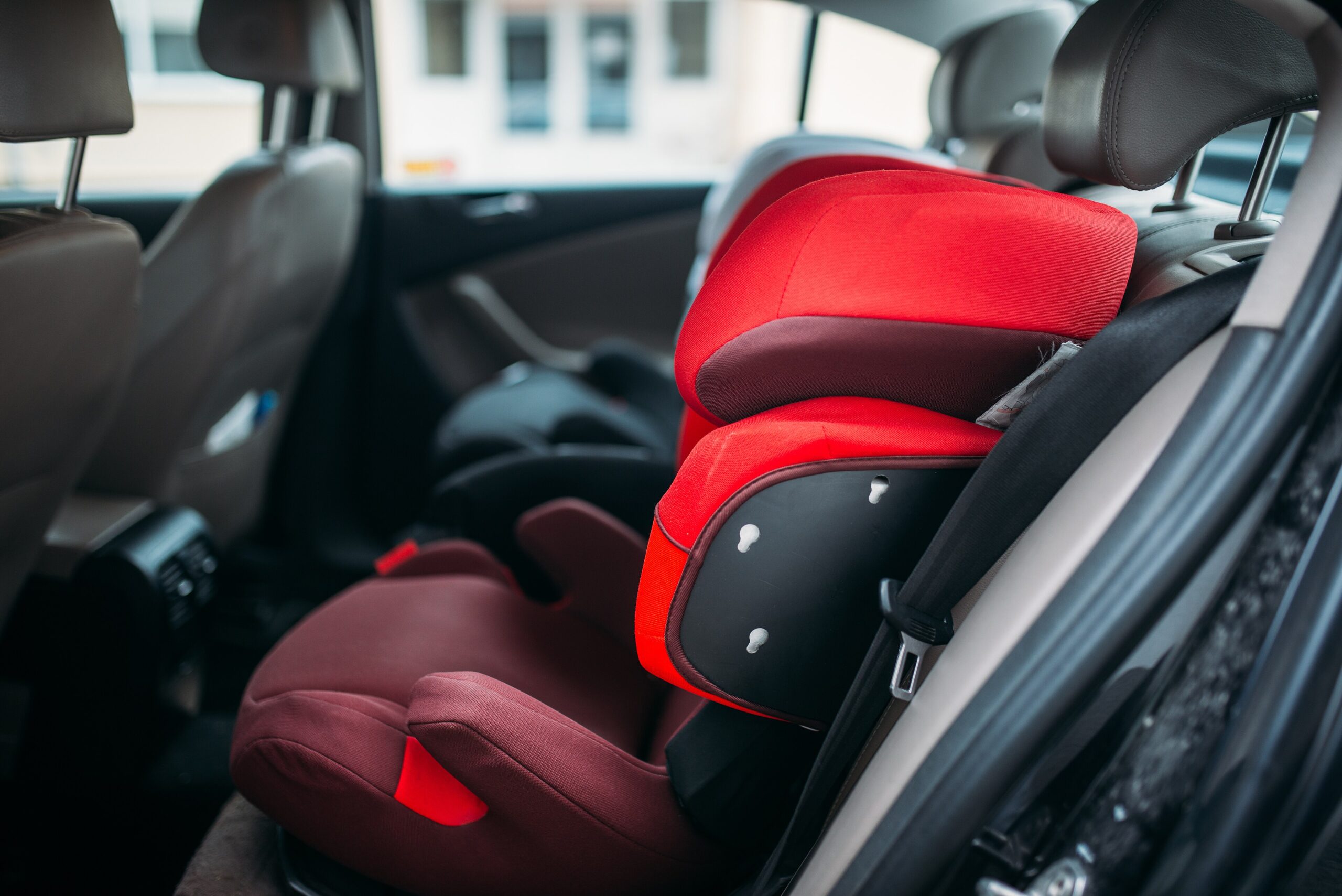
Pediatricians Say a Puffy Winter Coat Under a Car Seat Harness Can Leave Room for a Child to Slip Out in a Crash, and a Simple Pinch Test Shows It

A puffy winter coat can feel snug at the buckle and still leave a harness loose, because the padding flattens in a crash. Pediatric safety teams say that slack is enough for a child’s body to move out of the seat’s protection. The American Academy of Pediatrics advises that bulky clothing, including winter coats and snowsuits, should not be worn underneath the harness of a car seat, and a pinch of the straps at the shoulder shows whether the fit is tight enough.
How Coat Padding Turns Into Slack
Dr. Gigi Chawla, chief of general pediatrics at Children’s Minnesota, says a bulky coat leaves a gap between the child and the harness. In a crash the child can slam into that gap, a “second impact” injury, and a strap could slide over the child’s arm.
Pediatrician David Soma and nurse manager Tammy Schmit of Mayo Clinic’s primary care practice in Rochester and Kasson make the same point. Coats and blankets should not go under the child or between the child and the harness straps, because they compress in a crash and leave the straps too loose. Multiple layers can make it hard to tighten the harness enough even when a child looks snug.
The AAP’s winter guidance describes the same mechanism: in a crash the coat’s padding flattens, leaving extra space that a child could slip through.
The Pinch Test at the Shoulder
The AAP’s car seat guidance for families, last updated April 16, 2026, says the harness should be snug, with no slack that can be pinched between the fingers on the straps over the shoulders. The chest clip belongs at the center of the chest, level with the child’s armpits.
Gina Duchossois, an injury prevention expert with the Children’s Hospital of Philadelphia’s Injury Prevention Program, describes the check the same way. After the child is strapped in, the webbing is pinched at the top of the shoulders, and extra webbing that can be pinched means the strap is too loose and the harness needs adjusting.
Duchossois calls a loose harness a common mistake. The harness “should fit snugly so there is no slack in the straps,” she says, and CHOP’s advice is to remove bulky jackets and snowsuits before buckling.
The AAP’s winter guidance adds the follow-up step. If the webbing can be pinched after buckling, the harness is tightened until it cannot be.
Warm Layers That Stay Out From Under the Straps
The AAP recommends close-fitting base layers such as tights, leggings and long-sleeved bodysuits, then pants and a warm top, with a thin fleece jacket over them. The coat comes off before buckling. After the child is buckled in, a blanket can be draped over the straps or the coat can be put on backward over them. Poncho-style coats and jackets that unzip at the sides are other options, and the top layer should be easy to remove so a child does not overheat.
Mayo Clinic’s team likewise says a coat or blanket belongs over the buckled straps, with the baby’s face kept uncovered. Children’s Minnesota adds that warming up the car before the child gets in helps, and that the seat should fit snugly with no loose gaps.
Covers, Inserts and Other Add-Ons
Hats, mittens, socks and booties do not interfere with the straps, according to the AAP. The academy says a car seat cover should be used only if nothing sits between the baby and the harness, and the baby’s face should stay uncovered.
It also advises against sleeping bag inserts and stroller accessories that did not come with the car seat, since they have not been crash tested, and recommends products approved by the Consumer Product Safety Commission. Keeping an infant carrier indoors at room temperature reduces heat loss in the car, the AAP adds, and an emergency bag with extra blankets, dry clothes, hats and gloves covers a winter breakdown.
Parent Diaries has covered the same rule for travel, including an AAP pediatrician’s Thanksgiving advice that car-seat blankets go over the harness, never under, and the AAP’s shoulder pinch test for a tight buckle.
Get stories like this by email. Sign up for The Parent Diaries Letter.
This article was produced with AI assistance and edited for accuracy against the sources linked above.
Image: Shixart1985 – CC BY 2.0/Wikimedia Commons