Katy Sherman’s Son Leo Was Born at 29 Weeks Weighing 2 Pounds, 15 Ounces. She Got Through His 55 Days in the NICU by Laughing.

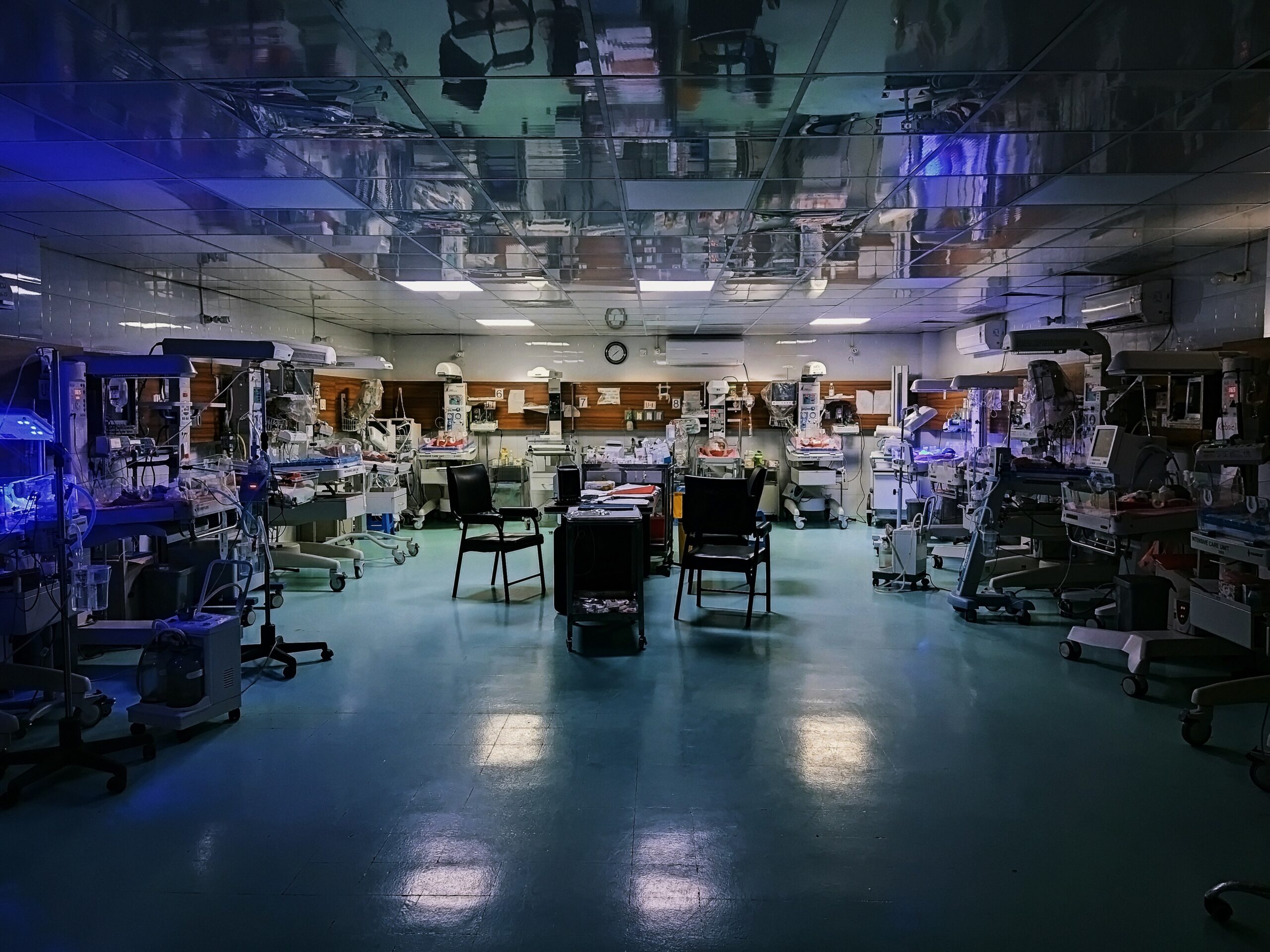
Katy Sherman spent years writing comedy for television and stand-up specials. She never expected that training to carry her through the hardest stretch of her life: the weeks after her water broke far too early, and the 55 days her son Leo spent in a neonatal intensive care unit after he was born at 29 weeks weighing 2 pounds, 15 ounces.
Sherman told the story in a first-person essay published by TIME on Nov. 16, the day after World Prematurity Day. In it, she describes delivering a 29-week baby as something that turned her idea of trauma upside down, and explains why laughing became the way she got through it.
A Best-Case Plan of Eight Weeks in a Hospital Bed
Sherman’s water broke weeks before her son was due. She writes that reaching the 24-hour mark without delivering was treated as a critical milestone, and only then was she moved to the hospital’s antepartum wing, where pregnant patients who need close monitoring stay.
Her doctors’ goal was to keep the pregnancy going as close to 34 weeks as possible. The best-case scenario she was given was an eight-week hospital stay. The NICU team, meanwhile, prepared the family for the possibility of meeting their son at 26 weeks and 4 days, when he would have weighed just under two pounds.
Labor started and was stopped three times. At 29 weeks, it could not be stopped again, and Leo was born about 15 minutes after she began pushing. When the team saw his size, Sherman recalls, they told the family, “That’s a big baby for us.”
Where Leo Fits Among Premature Babies
Leo arrived well before the 37-week line that the Centers for Disease Control and Prevention uses to define preterm birth. The CDC reports that preterm birth affected about 1 in 10 U.S. infants in 2022, a rate of 10.4%.
By the categories the March of Dimes uses, a baby born before 32 weeks is very preterm. The organization notes that babies born before 34 weeks are the most likely to have health problems, and that preemies usually go home once they can stay warm without an incubator, feed, gain weight steadily and breathe on their own.
The National Institute of Child Health and Human Development says preterm labor has many complex causes that are not well understood, and that there is currently no clear way to predict it. That uncertainty is part of what Sherman lived through: a stay planned around weeks that might or might not come.
The Flowers, the Nun and the Cheese Plate
Two days after Leo was born, Sherman went home without him. The first thing she said to her son in the NICU, she writes, was an apology.
What followed, in her telling, played out like “quick cuts in a television show.” A hospital volunteer arrived with flowers and a cheerful “congratulations,” then panicked when she realized there was no baby in the room. Sherman says it happened four more times.
While walking the hallways, she kept running into the same nun. The two eventually became friends, and the nun, who visited babies in the NICU every day, blessed Leo. Sherman calls it a “callback,” the comedy term for a joke that comes back later in a show.
Then there was the cheese plate. Her husband, Drew, found one in the communal fridge and thought about eating it. Sherman warned him not to risk food poisoning that day of all days. Later, a nurse brought her a cheese plate, and it was the very one Drew had nearly eaten. She ate it alone in her room, telling herself she was OK and trying not to cry.
Why a Parent Might Laugh in the NICU
Sherman, whose daughter was 2 at the time, writes that she found few NICU stories from other parents that left room for humor. She does not present laughing as a way of pretending things were fine. She describes it as how she processed a trauma she says she may never fully understand.
Leo came home in the summer after 55 days in intensive care, a stay that covered what would have been the final weeks of her pregnancy.
Her essay lands in a month when many families are telling their NICU stories. Parent Diaries has followed others recently, including Savannah Arinder’s 57 days in the NICU after she was born at 32 weeks, and baby Quinn Hackett’s parents, who hoped to bring her home by Thanksgiving.
A Day Set Aside for Babies Born Too Soon
World Prematurity Day fell on Nov. 15 this year. The Pan American Health Organization says about 15 million babies are born preterm each year, roughly 1 in 10 births worldwide, and this year’s campaign focuses on high-quality follow-up care, with the message that care continues after a baby leaves the NICU.
For Sherman, the story she chose to tell about that care was not only about monitors and milestones. It was about a volunteer’s flowers, a nun’s blessing and a cheese plate, the small, strange moments she says helped her keep going until her son could come home.
Get stories like this by email. Sign up for The Parent Diaries Letter.
This article was produced with AI assistance and edited for accuracy against the sources linked above.