Born at 25 Weeks Weighing 13 Ounces, Baby Quinn Hackett Has Spent 3 Months in the NICU, and Her Parents Hope to Bring Her Home by Thanksgiving

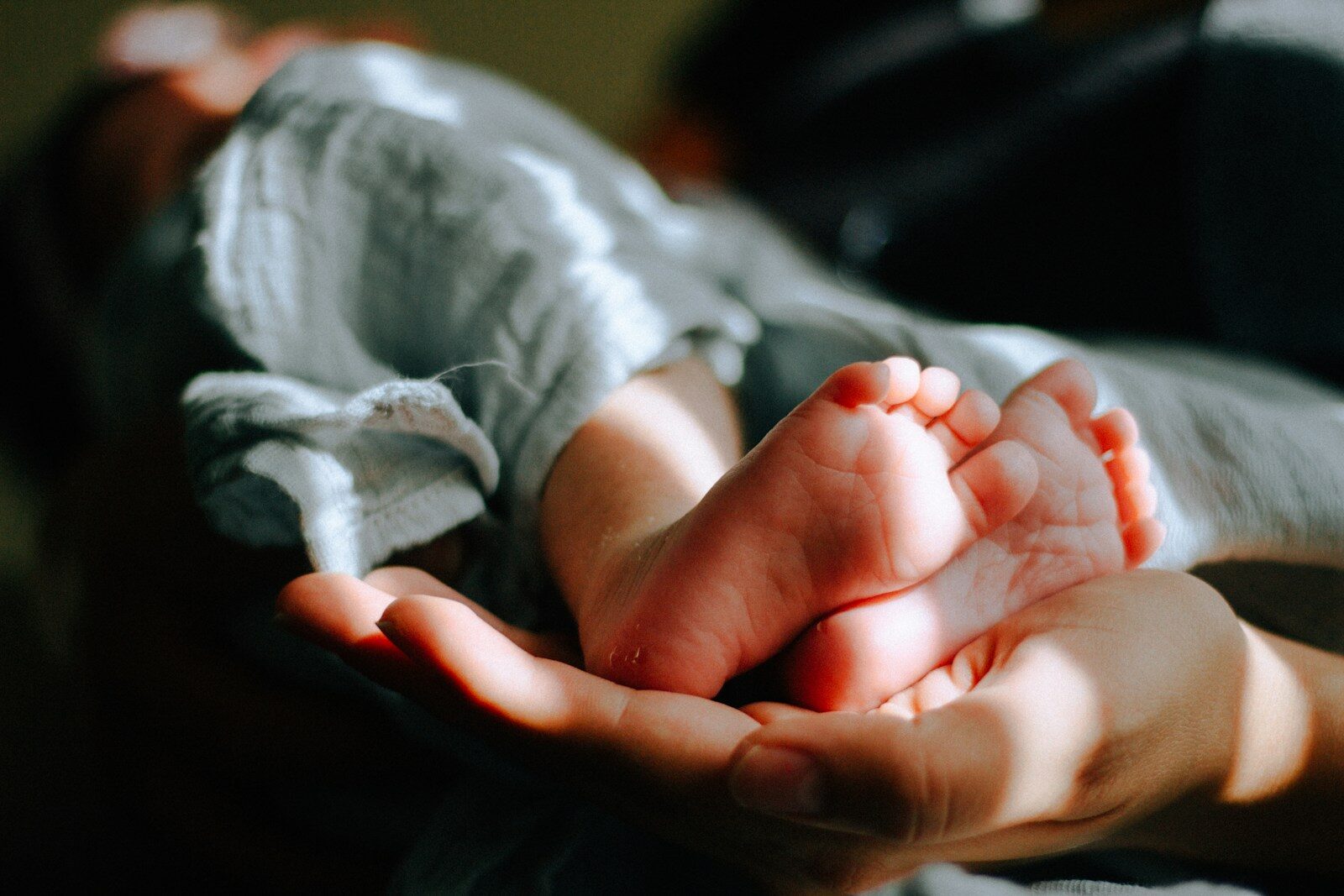
Three hundred seventy-five grams. That is about 13 ounces, less than a pound, and it is what Quinn Hackett weighed when she was delivered by emergency C-section at 25 weeks.
At 3 months old, Quinn had still never left the neonatal intensive care unit, and her parents, Melanie and Cody Hackett, are counting down to a goal: bringing her home by Thanksgiving, KBOI reported.
Less Than a Pound, and Crying
Quinn arrived at Saint Alphonsus far ahead of schedule. Her mother remembers how super fragile she was, and also that she came out crying.
A baby born that early is considered extremely preterm. The March of Dimes defines a preterm baby as one born before 37 weeks of pregnancy and an extremely preterm baby as one born at or before 25 weeks. Quinn reached the world right at that line.
The March of Dimes says babies born before 34 weeks are the most likely to face health problems. The list is long for any preterm infant: breathing trouble, infections, bleeding in the brain, a serious intestinal condition called necrotizing enterocolitis, a heart vessel that fails to close, and an eye disease that can affect vision. The earlier a baby is born, the more likely some of those complications become.
Some of those problems are a direct result of how much care a tiny baby needs. The March of Dimes notes that anemia, a shortage of healthy red blood cells, is often linked to the frequent blood tests babies have in the NICU. Newborn jaundice, caused by a buildup of bilirubin, is common too. Bleeding in the fluid-filled spaces of the brain, known as intraventricular hemorrhage, is more likely the more preterm a baby is. Retinopathy of prematurity is an eye disease that can affect vision. And because a preterm baby’s immune system is not fully developed, infections and sepsis are a constant concern.
Breathing problems include apnea of prematurity, when a baby pauses in breathing, as well as respiratory distress syndrome and the longer-term lung condition bronchopulmonary dysplasia.
For Quinn, breathing was the first big fight. She spent about two months on a ventilator before she was moved to St. Luke’s, where her care continued, according to the report shared by NBC16.
Melanie credits Quinn’s whole medical team, from doctors to nurses to respiratory therapists, with saving her daughter’s life.
A Short Walk From Her Bedside
Life for the Hacketts now revolves around the hospital. Both parents visit every day. Melanie stays at the Ronald McDonald House, a short walk from Quinn’s bedside.
Cody has been honest about how hard it is. He told the station that nobody wants to go through something like this, and that the family has had to learn to adapt and take it one day at a time.
Melanie calls her daughter the strongest person she has ever met. She has said that if she could take every bit of the struggle away from Quinn and carry it herself, she would.
She has also turned the family’s experience outward. Melanie started a Facebook page to share Quinn’s journey and to support other families going through the NICU.
Quinn’s story has traveled well beyond her hospital. It has been shared by sister stations across the country, including KATV, drawing attention to a baby who has already beaten long odds.
What Has to Happen Before Thanksgiving
As of the station’s Oct. 13 report, Quinn was reaching what would have been her original due date. That milestone matters, but going home depends on a different checklist.
According to the March of Dimes, preterm babies stay in the NICU until their organs can keep them alive without medical support. Some need care for weeks or months. Babies are typically ready to go home when they weigh at least 4 pounds, can stay warm without an incubator, can breastfeed or bottle-feed, gain weight steadily and breathe on their own.
Even then, some babies leave the hospital with special equipment, medicine or treatment, and may need follow-up checkups with a neonatologist. A homecoming is the start of a new chapter rather than the end of the story.
The Hacketts know there are no promises on a NICU calendar. They are taking it one day at a time, and they are holding onto the hope of a Thanksgiving at home with their daughter.
In the meantime, supporters can follow Quinn’s progress on her Facebook page, and the station noted that she has been entered in the national Baby of the Year contest. That competition, run by Colossal, offers the winning family $25,000, and voting closes Nov. 5, with each supporter allowed one free vote every 24 hours, according to Romper.
For a little girl who started out at 13 ounces, every ounce since has been a victory. Her parents are hoping the next one gets her through the hospital doors.
Get stories like this by email. Sign up for The Parent Diaries Letter.
This article was produced with AI assistance and edited for accuracy against the sources linked above.