At 16 Weeks Pregnant, Katelyn Anderson Phoned Her Partner and Said “I’m Dying.” Surgeons Removed Part of Her Skull After a Stroke and Brain Bleed.

Katelyn Anderson, a 26-year-old mother from Jackson, Wyoming, was 16 weeks pregnant when she called her partner on a Saturday afternoon and told him she was dying. She had suffered a stroke and a brain bleed, Cowboy State Daily reported. As of that Nov. 19 report, the most recent public update available on Nov. 24, she remained in critical condition in an intensive care unit in Salt Lake City.
The 4:08 p.m. Phone Call
Her partner, Giancarlo Perez-Alfaro, 28, had left home at 3:45 p.m. on Saturday, Nov. 15, to get an infected finger looked at at an urgent care clinic across town. At 4:08 p.m., Anderson called him in distress and said twice that she was dying.
A supervisor from CareVi, the agency where both of them work, went to check on her. CareVi serves adults with intellectual and developmental disabilities and acquired brain injuries. Anderson was able to open the door for the supervisor, and 911 was called.
For a couple of weeks before the stroke, she had been dealing with headaches and nosebleeds. The couple put them down to pregnancy and possibly dehydration. Doctors have not determined what caused the stroke.
A Helicopter to Salt Lake City
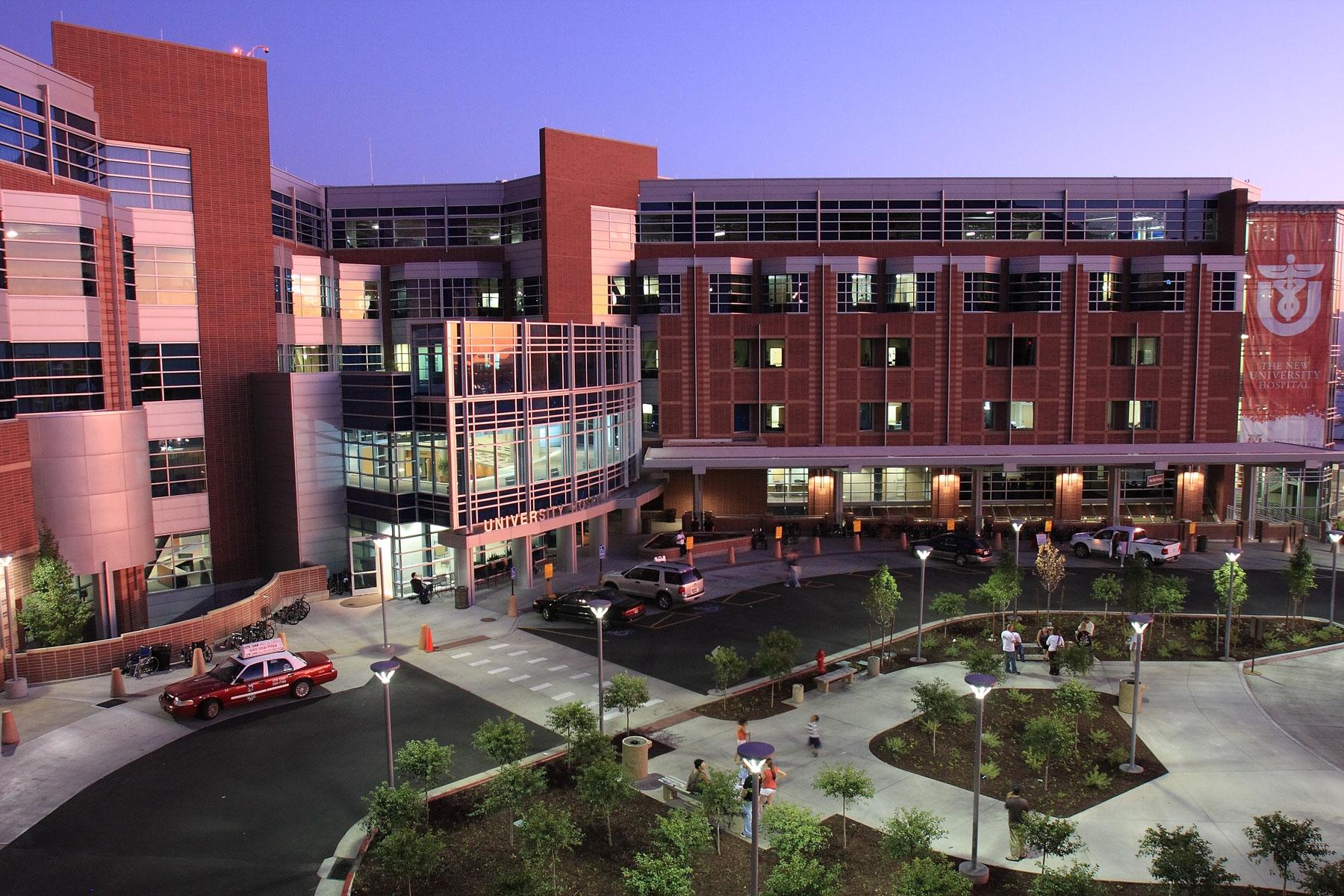
Anderson was taken to St. John’s Health in Jackson. About two hours later, a helicopter flew her to University of Utah Hospital in Salt Lake City.
Early the next morning, surgeons performed emergency surgery to relieve pressure on her brain. They removed part of her skull and found and removed a blood clot on the left side of her brain. That side of the brain controls movement on the right side of the body, and the right side has been affected.
A second operation is planned to put the piece of skull back once she improves. Her left side has more movement than her right. The full extent of any limitations will not be known until she wakes up, and physical therapy could follow.
The University of Utah is one of 25 regional coordinating centers in the National Institutes of Health-sponsored StrokeNet, University of Utah Health said in February.
What Doctors Have Said About the Baby
Doctors told the family the baby is doing okay. Anderson had many imaging scans that involved radiation, and the effect of those on the pregnancy is not known.
General guidance is separate from her case. A University of Utah pregnancy-care presentation from 2017 says fetal radiation below 50 milligray is considered negligible and that a head CT delivers about 2 milligray. Cowboy State Daily did not report how many scans Anderson had or what doses they involved.
How Unusual a Stroke Like This Is
Cowboy State Daily noted that strokes like this are highly unusual at her age and typically happen to people in their 80s.
Pregnancy does raise the risk. The American Heart Association says pregnancy-associated stroke happens in roughly 30 to 34 of every 100,000 deliveries, compared with about 10 per 100,000 nonpregnant women of similar age, according to a clinician fact sheet from its South Dakota affiliate. About 60 percent of pregnancy-related strokes are hemorrhagic, meaning caused by bleeding, compared with about 13 percent in the general population. Most occur from about a day before delivery to two weeks after, so a stroke at 16 weeks is earlier than most.
The Centers for Disease Control and Prevention lists sudden severe headache with no known cause, sudden numbness or weakness on one side, sudden confusion or trouble speaking, and sudden trouble seeing or walking as stroke warning signs. The agency says to call 911 right away, because treatments work best when a stroke is recognized within three hours of the first symptoms.
The Family and the Fundraiser
Anderson and Perez-Alfaro have a 3-year-old son, Gian Byron Perez. Perez-Alfaro went back to Jackson to get the boy settled into preschool again.
The family was already under financial strain. Perez-Alfaro lost a second job over the summer, and the couple got health insurance only in August. They still have a $10,000 deductible to meet.
Jessie Phillips-Grannis, CareVi’s Jackson program director, helped start a GoFundMe titled “Standing with Katelyn and her family” to cover medical costs and lost income during her recovery. Anderson began at CareVi’s front desk and later ran its adult day program. Perez-Alfaro described her as family-oriented, and Phillips-Grannis called her a devoted mom. Perez-Alfaro said the community and CareVi have given the family significant support.
Anderson’s condition may have changed since Cowboy State Daily’s report on Nov. 19, and no newer public update on her recovery was available when this article was prepared on Nov. 24.
Get stories like this by email. Sign up for The Parent Diaries Letter.
This article was produced with AI assistance and edited for accuracy against the sources linked above.
Image: University of Utah Health Care – CC BY-SA 3.0/Wikimedia Commons