Karla McKenzie, a Perth Mom of Two Sons, Thought Her Sore Neck Came From a Massage. Ten Days Later, Doctors Found Two Strokes in Her Brainstem.

Karla McKenzie booked a massage to ease the tension in her neck. She walked out with a new pain that ran from her neck into her shoulder, and for about 10 days she treated it like a stubborn muscle problem. It turned out to be the lead-up to two strokes in the back of her brain.
McKenzie, now 47, lives in Perth, Australia, and is the mother of two sons, Gaine and Cody. She was 43 when it happened. She shared her story in a first-person account for Newsweek, published Nov. 22, 2026, as told to senior reporter Lucy Notarantonio.
A Self-Care Appointment That Went Wrong
McKenzie knew massage well. She had once worked as a sports massage therapist before moving into recruitment, where she was a team lead. The appointment was meant to be a bit of self-care, but she told Newsweek she left it feeling “anything but zen.”
She described “an unusual pain” in her neck that radiated onto her shoulder. A few days later, a physiotherapist treated it as a shoulder issue. She did not see a doctor. Her husband, Mike, was working away, and her sons, then 20 and 24, no longer lived there.
Ten Days of Signs That Came and Went
Over the next stretch, new symptoms crept in. McKenzie began to have facial numbness, pins and needles in her hands, nausea and vertigo, she told Newsweek. Those symptoms came and went for about 10 days. The neck and shoulder pain never let up.
Then, one afternoon while she was home alone, everything hit at once. She had a sudden attack of vertigo, double vision, slurred speech and vomiting. She phoned her family, and an ambulance was called. When she told her mother she thought she was having a stroke, her mother’s first reaction was that she was too young, McKenzie recalled.
Her younger son, Gaine, made it to the house before the ambulance did.
What the MRI Found in Her Brainstem
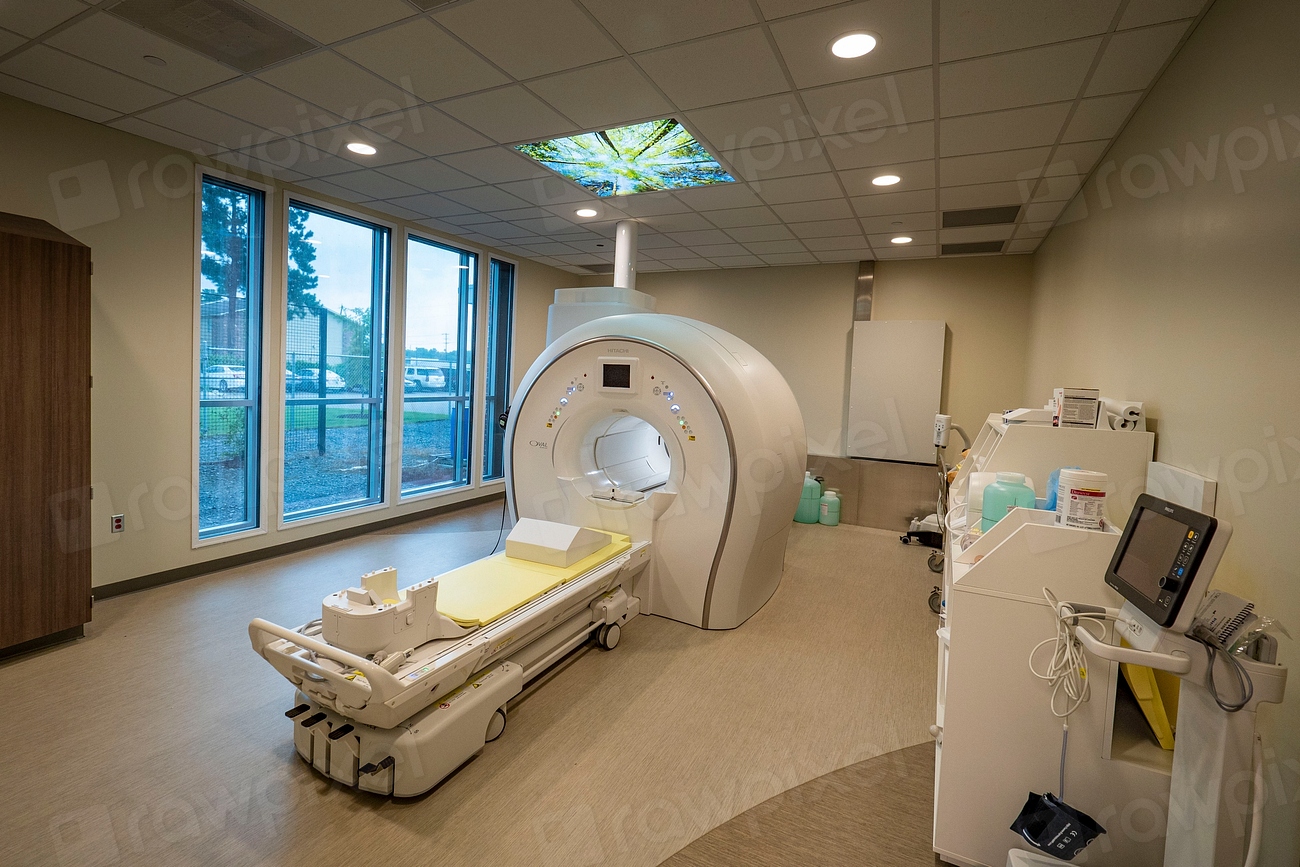
At the emergency room, a nurse took McKenzie’s vitals and quickly decided she needed a stroke assessment. An MRI followed.
The scan showed two posterior circulation strokes, a type of ischemic stroke. MedlinePlus, the National Library of Medicine’s health site, explains that an ischemic stroke happens when a blood vessel supplying the brain gets blocked, and that if blood flow is cut off for longer than a few seconds, the brain cannot get nutrients and oxygen. In McKenzie’s case, they affected the brainstem, which controls breathing, heart rate and alertness, and the cerebellum, which controls coordination and balance, according to her account.
Doctors told her the likely cause was a vertebral artery dissection from the massage, though they could not confirm it. She did not have what she called classic stroke symptoms, such as a drooping face, weakness and speech changes, before that final afternoon.
That is part of what makes her story unsettling. The best-known stroke checks focus on the face, arms and speech. But the Centers for Disease Control and Prevention also lists “sudden trouble walking, dizziness, loss of balance, or lack of coordination” and “sudden trouble seeing” among stroke signs, and it teaches the B.E. F.A.S.T. test, which adds balance and eyes to the familiar face, arms, speech and time.
The National Institute of Neurological Disorders and Stroke lists double vision, nausea and vomiting among less common stroke signs, and it says symptoms that clear up within minutes may be a mini-stroke that still needs prompt medical evaluation. The best stroke treatments can only be used within four and a half hours of the first symptoms, according to the institute.
The NHS in Britain lists “feeling dizzy or falling over,” blurred vision and “feeling or being sick” among stroke symptoms too. It says symptoms can stop after a short time and still need medical help straight away, and that anyone with signs in the last 24 hours should call for an ambulance even if they have stopped.
Going Home Early, Then the Long Recovery
McKenzie was expected to stay in the hospital for about 50 days. She asked to go home and was discharged after 10.
The weeks that followed were harder than she expected. At home she had trouble swallowing, along with cognitive and sensory problems. She was an outpatient at a stroke clinic for 18 months. She told Newsweek she had expected to bounce back and had not understood at the time that a stroke is brain damage with life-altering effects.
She went back to work after about four months, but it did not last. Today she lives with fatigue and trouble regulating her body temperature, and she says she will never return to full-time work.
A Mom Who Now Wants to Help Others
The stroke also changed the direction of McKenzie’s life. She has done peer support work and is now a part-time student finishing a counseling qualification.
She told Newsweek the stroke was not a gift and was the most horrible thing that has happened to her, but that it has taught her a lot. She now encourages her sons, Gaine and Cody, to do anything they want, she said.
Looking back, the pieces were there for 10 days: the neck pain that would not fade, the numb face, the tingling hands and the spinning room. Each one on its own was easy to explain away. Together, they were the warning signs of a stroke that finally arrived on an afternoon when she was home by herself.
Get stories like this by email. Sign up for The Parent Diaries Letter.
This article was produced with AI assistance and edited for accuracy against the sources linked above.
Image: “MRI room” by U.S. Department of Agriculture, CC0 1.0, via rawpixel