Son Says He Refused to Take Sides in His Parents’ Divorce, Now Both of Them Say He’s “Not Supporting the Family”

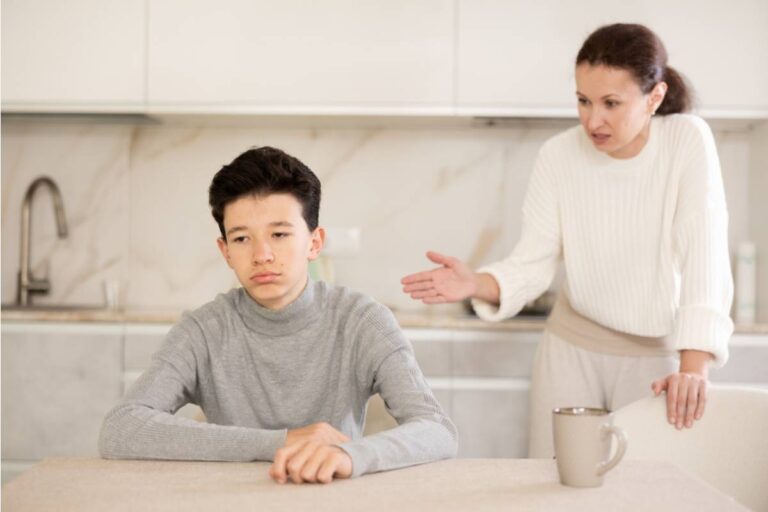
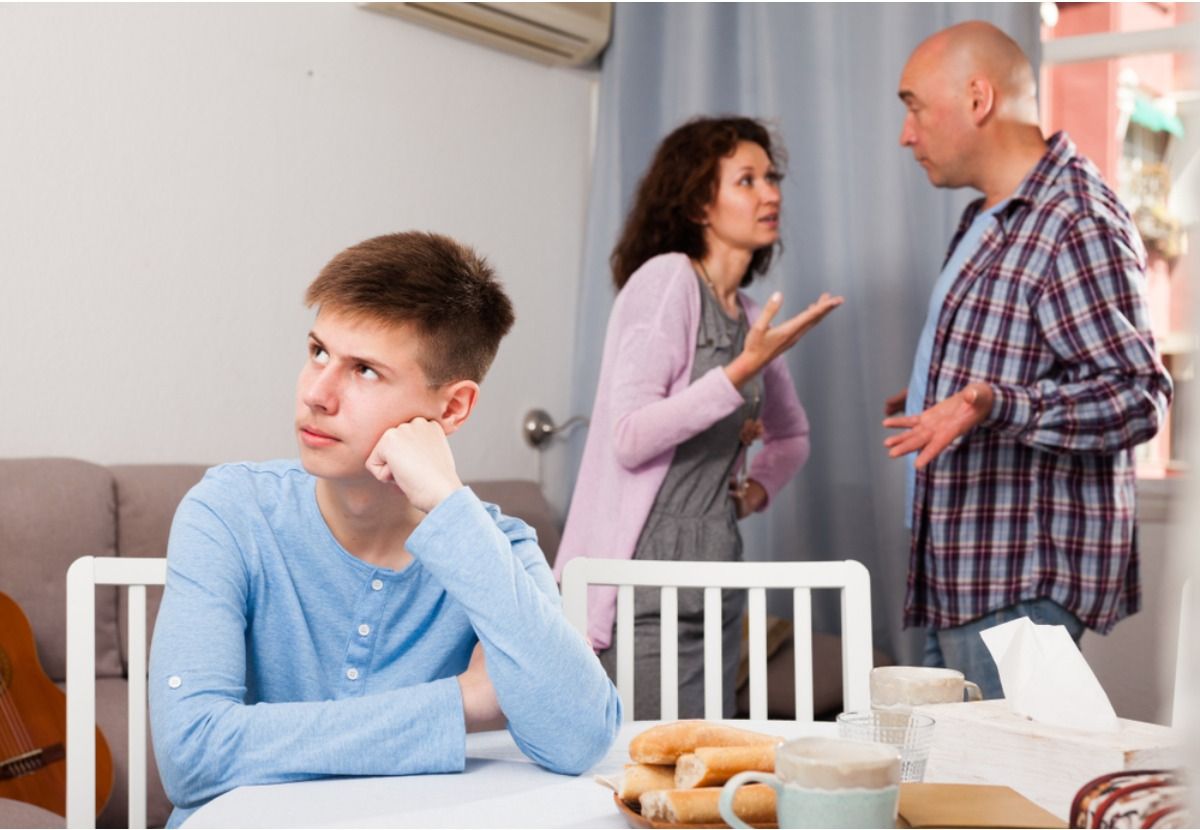
A son says he refused to take sides in his parents’ divorce, and what he believed was a neutral and fair position has now turned into emotional pressure from both sides, with each parent accusing him of “not supporting the family.”
The Separation Changed Everything at Home
According to the son, things became tense as soon as the separation process began. Conversations turned careful, and household routines became divided. He says it felt like the home was splitting into two emotional camps. And he was suddenly placed in the middle of it all.
Both Parents Started Asking for Loyalty
He reports that both parents began separately asking him questions about their side of the situation. Each wanted reassurance that he understood their perspective. At first, he tried to listen to both equally. But the emotional expectations reportedly kept increasing.
“You Need to Understand My Side” Became Constant
That phrase reportedly came from both parents repeatedly. Each conversation seemed to turn into a discussion about who was right. The son says he tried to stay neutral and avoid arguments. But neutrality itself began to upset both sides.
Refusing to Choose Created Immediate Tension
According to him, the moment he avoided taking sides, reactions became stronger. One parent reportedly felt abandoned emotionally. The other felt he wasn’t acknowledging their pain. And suddenly, his silence was interpreted as disapproval.
Family Conversations Became Interrogations
He says normal conversations at home stopped feeling normal. Even simple questions about daily life turned into deeper emotional discussions. He was often asked where his “loyalty” stood. And he felt increasingly trapped in every interaction.
“You’re My Only Support Now” Was Said Often
Both parents reportedly began relying on him emotionally more than before. Each said they felt alone in the situation. He says this made him feel responsible for emotions he couldn’t control. And it added pressure to already difficult circumstances.
Friends Told Him to Stay Neutral
Outside the home, friends reportedly advised him not to pick sides. They said getting involved would only make things worse. Some told him it was normal for children to feel stuck in the middle. And that support helped him stay firm in his decision.
Holidays and Family Events Became Awkward
According to the son, family gatherings became uncomfortable and divided. Seating arrangements, conversations, and even greetings felt complicated. He says he often felt like he was managing two separate emotional spaces. And enjoying the moment became difficult.
Each Parent Interprets Silence Differently
The son says when he stays quiet, one parent sees it as agreement with the other side. Meanwhile, the other sees it as rejection. This constant misinterpretation has made communication harder. And he feels like no response is ever neutral enough.
Emotional Pressure Increased Over Time
As the divorce process continued, both parents reportedly became more emotionally dependent on him. He says the expectations kept growing instead of settling. Small decisions started feeling like major emotional statements. And that has made daily life more stressful.
He Says He’s Trying to Protect His Relationship With Both
From his perspective, staying neutral is the only way to maintain a relationship with both parents. He says choosing sides would permanently damage one connection. He wants to avoid long-term resentment. And he believes neutrality is the only fair option he has left.
Both Parents Say Neutral Means Unfair
However, both parents reportedly disagree with that view. They feel that not choosing a side equals emotional distance. They believe he should show clearer support for their individual struggles. And that difference in expectations keeps the conflict ongoing.
A Family Caught Between Loyalty and Neutrality
In the end, the situation isn’t just about divorce, it’s about how family breakdowns reshape emotional roles, where a child trying to remain neutral is interpreted as disloyal by both sides, turning silence itself into a source of conflict.