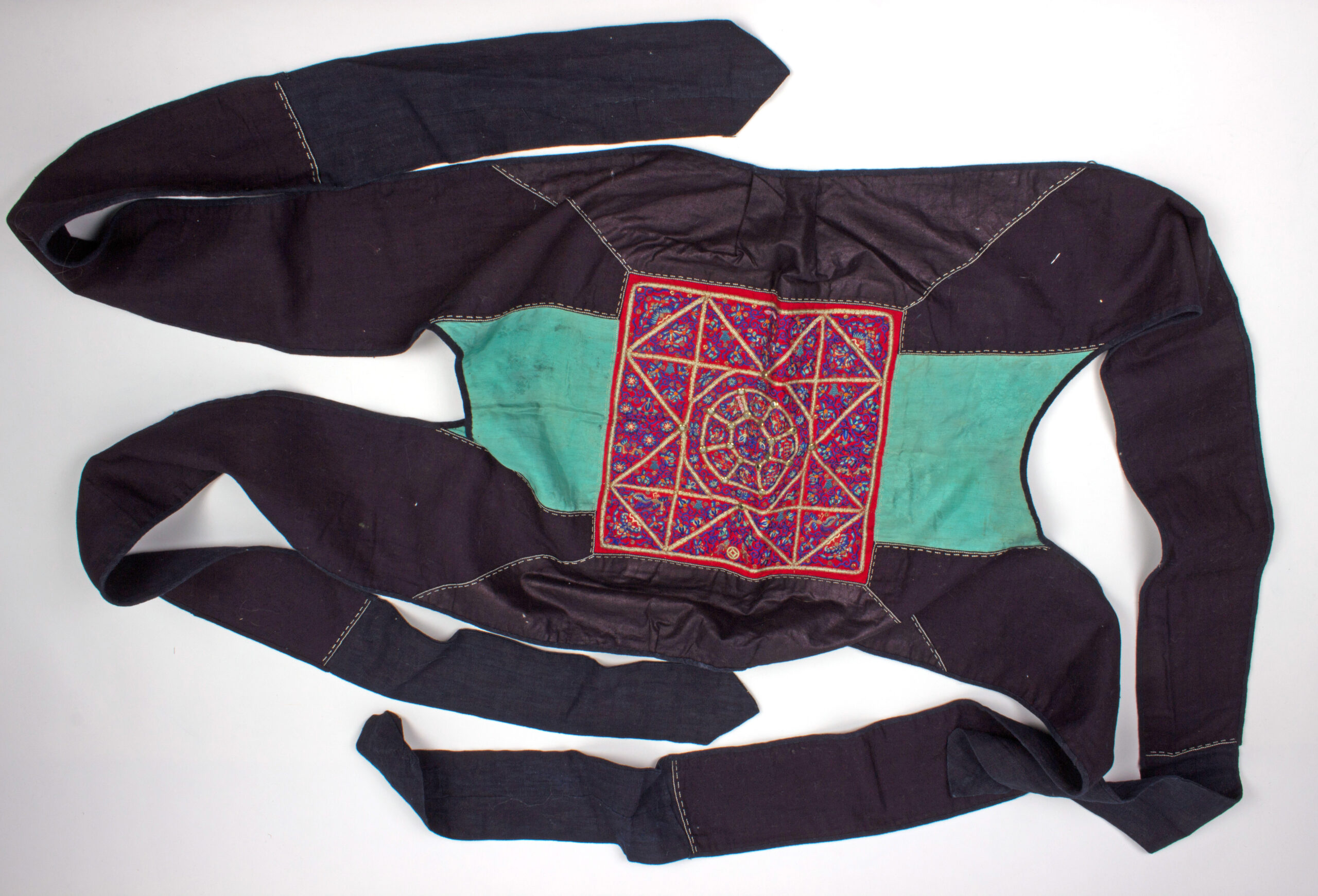
A Bulky Winter Coat Under a Baby Carrier Throws Off the Fit, a Babywearing Expert Says, and a Pediatric Therapist Explains Why Legs Belong in an ‘M’ Shape

Cold weather makes parents want to bundle up a baby, and a thick coat under a carrier can work against safe babywearing. Alisa DeMarco, a certified babywearing expert at the carrier company Tushbaby, told Newsweek that thick coats, blankets and scarves can affect how a carrier fits and make a baby harder to watch. The same report, published Oct. 13, 2026, quotes a pediatric occupational therapist, Dr. Aimee Ketchum, on a separate fit issue: how a baby’s legs sit.
Why a bulky coat throws off the fit
“Parents need to think about both warmth and visibility,” DeMarco said, according to Newsweek’s Jenni Fink. In her view, thick coats, blankets, scarves and extra layers can interfere with the way a carrier sits and make it harder to keep an eye on the baby.
Her advice is to dress the baby in thinner layers under the carrier and to check often for comfort and overheating. She also says a baby should stay “upright, kissable and visible,” with the face and mouth uncovered.
DeMarco works for a company that sells carriers, and the Newsweek story includes promotional material for Tushbaby’s hip seat. Her advice is worth weighing alongside the independent medical sources below.
Insulated carrier covers instead of extra clothing
For warmth without bulk, DeMarco points to insulated carrier covers. Newsweek describes them as covers that attach to the carrier and work like sleeping bags, often with water-resistant fabric. She also advises following the carrier maker’s guidance on the child’s age, size and carrying position.
A related warning appears in guidance about car seats. The American Academy of Pediatrics says on HealthyChildren.org that “bulky clothing, including winter coats and snowsuits, should not be worn underneath the harness of a car seat.” The AAP explains that the fluffy padding in a coat flattens out under force, leaving extra space under the harness.
The AAP also advises putting a coat or blanket over the buckled straps rather than under them, and checking that thick clothing is not hiding a loose harness. That rule applies to car seats, not to carriers. Still, the AAP’s suggestion of thin layers topped with hats, mittens and socks follows the same logic as DeMarco’s advice about bulk.
What the “M” shape means for a baby’s hips
Ketchum, quoted through the local station KLFY in the Newsweek report, says that if a baby’s legs are not in an “M” shape, hip development problems can result. She calls babywearing a tool that makes parenting easier, not something to do all day.
The International Hip Dysplasia Institute explains the position in its baby wearing guidance. It calls the M-position, also known as the spread-squat position, “a natural clinging position for infants.” The thighs spread around the carrier’s torso with the hips bent, so the knees sit slightly higher than the bottom and the thighs are supported.
The same page links hips held straight in traditional swaddling during early infancy to high rates of hip dislocation, and says the benefits of carrying depend on proper hip position being maintained.
The institute recommends inward-facing carrying from birth to 6 months, a period of rapid hip development, and says inward-facing may still add benefit until about age 1. It says outward-facing “may not be harmful,” but inward-facing is the position it describes as hip-healthy.
Another IHDI page, on carriers and other equipment, says periodic short-term use of a carrier is unlikely to affect hip development. The concern, it says, is prolonged use in the first six months. It adds that wraps and similar carriers generally promote the best hip position and that narrow-based carriers that leave the thighs unsupported are not recommended for prolonged use.
Safety checks that apply in any season
Cleveland Clinic outlines a five-point checklist in its babywearing safety article, which quotes pediatrician Lisa Diard, MD. The carrier should hold the baby snugly with no gaps. The baby’s face should stay in view and uncovered. The head should be close enough to kiss, the chin kept off the chest and the back supported.
The article warns that if a baby’s head drops down, it can restrict breathing and cause positional asphyxia. It says to avoid outward-facing carriers until about 6 months and to look for carriers designated safe by the International Hip Dysplasia Institute for babies under 6 months. The article also tells wearers to stay aware of their surroundings to avoid falls and to stop or switch carriers if wearing one strains the back or neck. Diard says that as long as the baby is in the right position there is no limit on how long they can spend in a carrier.
The Cleveland Clinic article does not address clothing, overheating or cold weather, so those points come from DeMarco and the AAP.
Comfort for the parent doing the carrying
DeMarco also notes that carrying a growing child for long periods can strain a parent’s back, shoulders and hips. She advises parents to listen to their bodies, change positions and take breaks. For back comfort she lists a wide waistband that stays in place, even straps and lumbar support, and says no single carrier is best for back pain because fit depends on the parent’s body and the child’s size.
The Newsweek report also says Ketchum believes babywearing can strengthen parent-child bonding and may help prevent flat head syndrome and decrease colic. Those are Ketchum’s views as reported, and the independent sources above do not address them.
Get stories like this by email. Sign up for The Parent Diaries Letter.
This article was produced with AI assistance and edited for accuracy against the sources linked above.
Image: Unknown author – CC BY 4.0/Wikimedia Commons