A Girl Says Her Parents Think Every Public Place Is Too Dangerous for Her, and She’s Starting to Wonder How She’ll Ever Learn to Be Independent

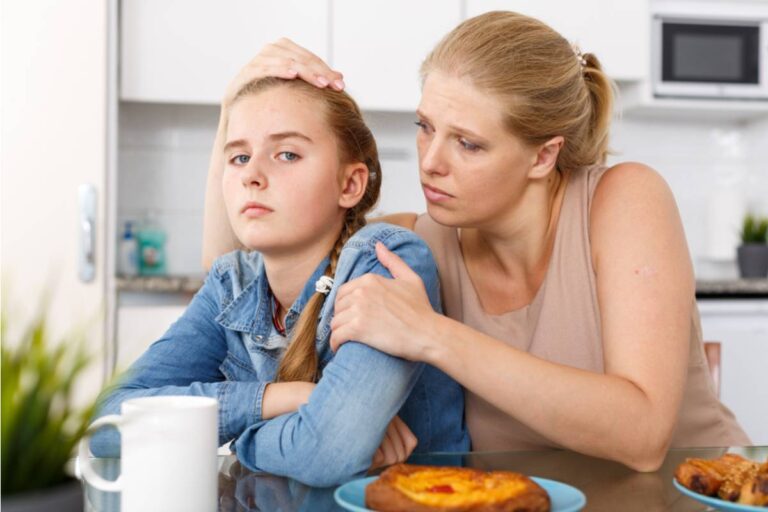
A 15-year-old girl shared her story after a simple plan to spend an afternoon with friends turned into another argument at home. Her boyfriend’s friends and their girlfriends wanted to meet at a mall, watch a movie, grab some food, and spend a few hours together. Everyone else’s parents had agreed, so she thought asking her own parents would be fairly routine.
Instead, the answer came with a warning that immediately shut the plan down. Her father told her, “That’s the way bullets fly,” making it clear that he saw the mall as far too dangerous. What seemed like an ordinary teenage outing to her suddenly became another reminder of how little freedom she was allowed.
Her Mother Had One Big Reason
Her mother also refused to let her go, explaining that she did not feel comfortable with her daughter being at the mall. She described the area as having “thugs, drug dealers, and shooters,” pointing to a previous shooting there involving an 18-year-old girl who had been eating in the food court. The teenager understood why the incident sounded frightening, but she struggled with the idea that one terrible event automatically made the entire place off-limits forever.
She tried explaining that the shooting had been a single incident rather than something that happened every day. Her parents, however, did not seem interested in making that distinction. To them, the possibility of danger was enough to end the conversation before it had really started.
The Group Tried a Different Plan
The friends did not simply give up when the mall plan fell apart. Instead, the group changed locations and decided to meet at Main Event, hoping that a different type of public place might make the outing acceptable. The girl saw it as a reasonable compromise and went back to her parents to ask again.
Her mother said she would need to discuss it with her father first. Then came another problem, because the concern was no longer just about the mall. Her mother explained that she still was not comfortable with her daughter being in “such a public space,” even though the new location was supposed to solve the original issue.
The Supervision Requirement Felt Impossible
There was only one way the parents were willing to consider letting her go. Both parents and her sister would have to come along and stay with her. For the teenager, that defeated the entire purpose of spending time with friends and having a normal afternoon away from her family.
She became upset as the restrictions piled up, especially because other teenagers were being allowed to enjoy the same outing without an entire family escort. Her mother responded bluntly, telling her to get mad because she did not care and that the decision was final. That moment appeared to hurt almost as much as the cancelled plans themselves.
It Was Never Really About the Mall
The teenager explained that the mall was only one example of a much bigger problem. She said she was not allowed to go anywhere by herself, including taking walks around her own neighborhood. Even though she described the area as mostly populated by older residents and said she had never experienced a problem there, her parents still considered it too dangerous.
The restrictions continued in almost every part of her life. Hanging out with friends required adult supervision, and spending time with cousins often involved another reason why a location was supposedly unsafe or unsuitable. One cancelled outing might have been manageable, but she felt like she was constantly watching ordinary opportunities disappear.
Her Relationship Was Starting to Feel the Pressure
The lack of freedom was also affecting her relationship with her boyfriend. The two already had limited chances to see each other, and her restrictions made even simple teenage plans surprisingly complicated. Group outings that should have been easy often required elaborate arrangements, unusual circumstances, or little loopholes just to make them possible.
She worried about what that difficulty might eventually mean for him. She did not want him to feel that being with her meant every normal experience had to become a negotiation with her parents. Thankfully, she said he had never blamed her for the situation, but that did not make her feel any less frustrated by it.
Friendships Were Becoming Harder Too
The same problem was showing up in her friendships and relationships with her cousins. She often had to watch other people make plans, meet for food, attend events, or simply spend an afternoon together while she remained at home. Seeing everyone else enjoy the freedom she wanted made the restrictions feel even heavier.
She began feeling as though she was missing a major part of being a teenager. There were no casual walks with friends, spontaneous trips for food, or easy meetups after school. Instead, nearly every opportunity came with a list of conditions, warnings, and supervision requirements.
She Finally Admitted How Lonely She Felt
Over time, the restrictions began affecting more than her social life. She described feeling isolated, trapped, and worried that she was missing experiences she could never get back. What bothered her most was the growing belief that even being responsible might never be enough to earn her parents’ trust.
That fear left her wondering whether anything she did could actually change their minds. She could follow the rules, avoid trouble, and behave responsibly, yet the answer still seemed to be that the outside world was too dangerous. The more she thought about it, the more the issue became less about one afternoon and more about what her future would look like.
She Started Questioning What Protection Really Means
The girl began thinking about what parents are supposed to teach their children before adulthood arrives. She knew that one day she would have to travel alone, interact with strangers, recognize unsafe situations, solve problems, and make decisions without someone standing beside her. Yet she felt that her parents were preventing her from practicing any of those skills.
In her mind, staying home did not actually teach her how to handle danger. It only taught her that danger might be everywhere. She wanted to learn caution and confidence at the same time, rather than growing up believing that every public space was something to fear.
Her Biggest Fear Was Being Taught to Be Afraid
There was one thought that seemed to bother her more than all the cancelled plans. She worried that her parents were not only protecting her from the world, but also teaching her to be frightened of it. She did not want adulthood to arrive with the sudden expectation that she should know how to navigate places she had spent years being forbidden to explore.
She was not asking for unlimited freedom or permission to ignore every rule. Instead, she wanted small chances to prove that she could handle herself responsibly. In her mind, independence was supposed to be something a teenager gradually learned, not something that suddenly appeared on an eighteenth birthday.
She Wanted a Path Instead of Another No
The teenager said she could accept having rules because she understood that her parents were responsible for her safety. What she could not understand was having no clear way to earn more freedom. Whenever she asked what she needed to do to prove herself, it seemed as though the possibility of danger ended the conversation before she could even begin.
That left her feeling stuck. If every outing could be rejected because something might happen, then there was seemingly no test she could pass and no milestone she could reach. She wanted her parents to give her a gradual path toward independence instead of keeping the door permanently closed.
Some People Suggested Starting Much Smaller
A number of people responding to her story encouraged her not to turn the situation into a battle over who was right. One response suggested that she calmly ask her parents what specifically makes a place safe or unsafe and what skills they expected her to have once she became an adult. The idea was to move the conversation away from “everyone else gets to” and toward practical questions her parents might be more willing to answer.
Others suggested starting with tiny steps instead of asking for complete freedom all at once. That could mean short outings, regular check-ins, location sharing, or having an agreed safety plan in advance. The hope was that a series of successful experiences might make it harder for her parents to argue that she could never handle being outside on her own.
Trusted Adults Became Part of the Conversation
Some responses also suggested involving another adult the parents respected. A grandparent, aunt, uncle, teacher, or another trusted family member could potentially help explain that independence is something children need to develop gradually. The goal would not be to gang up on the parents, but to introduce another perspective they might actually listen to.
There was also a strong warning against immediately choosing the most dramatic option. Some people shared their own experiences of growing up with extremely strict parents and said that independence eventually came through college, work, or moving away. Their stories suggested that planning for the future might be more productive than turning every disagreement at home into a fight.
The Advice Took an Unexpected Turn
One of the more surprising parts of the responses came from people who had lived through similar situations themselves. Some described becoming young adults who had never been given enough freedom to learn ordinary social and life skills. Others said their parents had eventually tried to influence where they attended college, how far away they moved, and what opportunities they pursued.
That changed the issue from a disagreement about teenage outings into something much bigger. The teenager had been worried about missing a movie with friends, but the stories she heard raised a different possibility. What happens when parents who fear the outside world continue making major decisions long after their child is supposed to be preparing for adulthood?
Another Perspective Complicated Everything
Not everyone saw the parents’ behavior as simple cruelty or control. One response pointed out that some parents become extremely protective because of difficult experiences or trauma from their own past. From that perspective, the constant warnings might come from fear rather than a desire to deliberately make their child miserable.
That possibility did not erase the teenager’s frustration, but it added another layer to the story. Her parents could genuinely believe they were doing what was best while still creating consequences they did not fully understand. The strange twist was that the same fear meant to keep their daughter safe could eventually leave her less prepared for the world they were trying to protect her from.
The Real Battle Was About Growing Up
By the end of the discussion, it became clear that the mall was never the real problem. The teenager was asking for something much larger than permission to see a movie or spend a few hours at an entertainment center. She wanted the chance to practice independence while she was still young enough to have her parents nearby when something went wrong.
Her story became a conflict between two different ideas of safety. Her parents seemed to believe safety meant reducing exposure to danger as much as possible, while she believed safety also meant learning how to recognize and handle danger before adulthood forced her to do it alone. And that left her facing a difficult question: how can someone learn to live in the real world when the people preparing them for it are determined to keep them away from it?