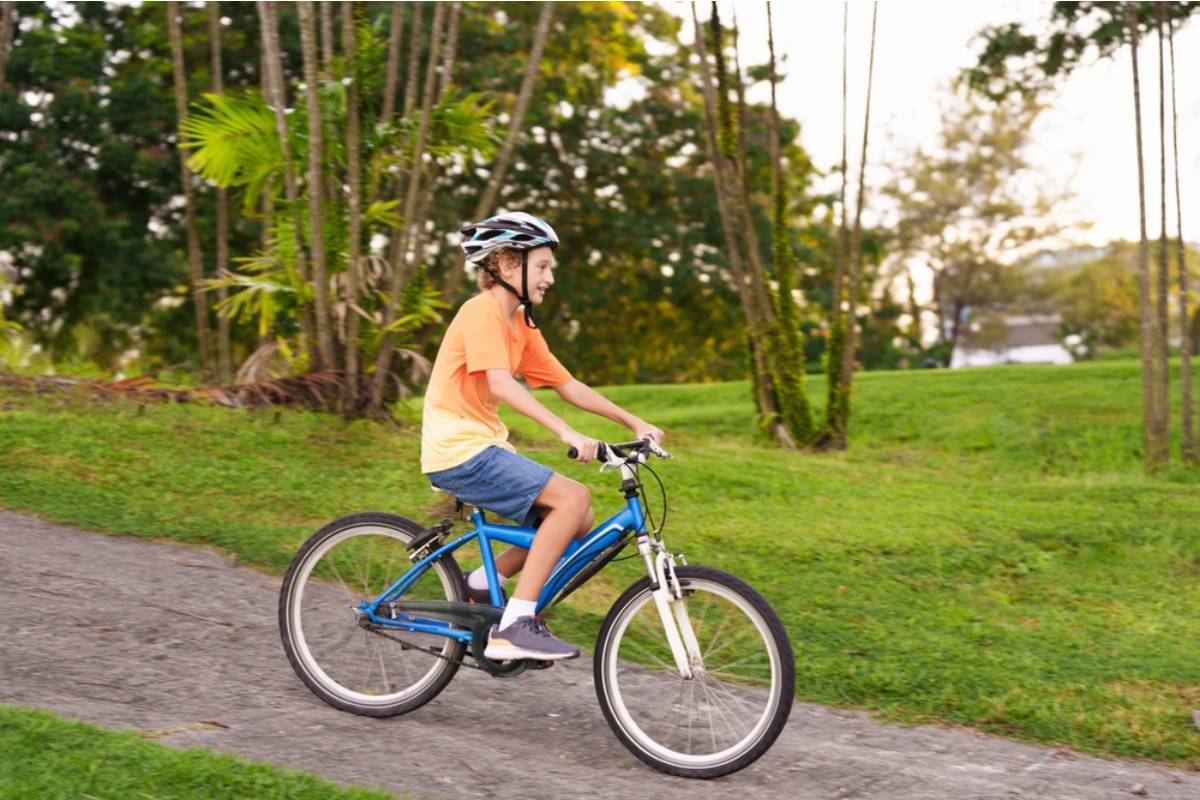
A Mom Found Out Her Son Had Been Riding His Bike the Long Way Home for Months to Avoid Passing the House His Family Used to Own

Sometimes children carry memories in ways adults never notice. A mother thought her son was simply taking longer bike rides after school because he enjoyed being outside. She later discovered that the extra miles were connected to a place he was trying not to see and a chapter of his life he had never fully accepted. What she learned changed the way their family talked about loss, change, and moving forward.
The Longer Route Home Catches Attention
For months, twelve year old Noah had been arriving home later than expected after school. His mother, Melissa, first assumed he was spending extra time with friends or practicing bike tricks around the neighborhood.
Noah had always loved riding his bike.
He knew every shortcut, every quiet street, and every trail near their home.
But Melissa started noticing that his trips were taking much longer than they used to.
One afternoon, she finally asked him why he was coming home nearly half an hour later.
“I just like riding around,” Noah replied.
His answer sounded normal, but something about it felt incomplete.
A Small Detail Raises Questions
Melissa noticed another strange pattern.
Whenever she mentioned certain streets in their old neighborhood, Noah became quiet.
If someone talked about the area where they used to live, he quickly changed the subject.
At first, Melissa thought he was simply adjusting after the family moved.
They had left their previous house almost a year earlier after financial problems forced them to sell it.
The move had been difficult, but she believed everyone had started accepting their new life.
The Bike Path She Never Knew About
One Saturday morning, Melissa saw Noah cleaning his bike in the garage.
She asked where he usually rode after school.
Without thinking, Noah grabbed a map and pointed out his route.
Melissa looked closely.
The path made no sense.
Instead of taking the shortest way home, Noah was riding several extra streets away.
Then she noticed where the route passed.
It went near their old house.
The Question Noah Did Not Expect
Melissa sat beside Noah later that afternoon and asked carefully.
“Do you ride past our old neighborhood?”
Noah froze.
For a few seconds, he said nothing.
Then he admitted he did.
Melissa expected him to say he missed the house.
She did not expect what he said next.
“I don’t ride past it. I ride around it.”
Avoiding a Place Full of Memories
Noah explained that he had been taking the long way because he did not want to see the house.
He knew the new owners had moved in.
He knew it was no longer their home.
But every time he passed the street, he felt like he was losing it all over again.
“I feel weird seeing someone else living there,” he admitted.
Melissa finally understood that the move had affected him more deeply than he had shown.
The Day They Had to Leave
Noah told his mother he still remembered the day they packed their belongings.
He remembered walking through empty rooms and seeing marks on the walls where family pictures had hung.
He remembered his old bedroom looking completely different without his books and toys.
At the time, he acted like everything was fine.
He did not want his parents to feel worse.
Melissa realized her son had been trying to be strong when he was actually hurting.
Why He Never Said Anything
Melissa asked why he never told her how he felt.
Noah looked embarrassed.
“I thought you already felt bad enough.”
He explained that he knew selling the house had been stressful for his parents.
He did not want to add another problem.
He thought missing the house would make them feel guilty.
Melissa hugged him and told him his feelings were not a burden.
A Mother Realizes What She Missed
Melissa thought back to the months after the move.
She had focused on practical things.
She helped Noah adjust to his new school, organized the new house, and made sure everything felt stable.
But she never asked how he felt about leaving the old one.
She assumed children adapted faster than adults.
She realized Noah had been quietly grieving something important.
Visiting the Old Neighborhood Together
A few days later, Melissa asked Noah if he wanted to take a walk through the old neighborhood with her.
At first, he refused.
“I don’t want to see it.”
But after some thought, he agreed.
They walked slowly past familiar streets.
They saw the park where Noah learned to ride his bike.
They passed the corner where he used to wait for the school bus.
The memories were painful, but they were also meaningful.
The Moment Outside the Old House
Eventually, they reached the street where their old house stood.
Noah stopped.
He stared at the driveway where he used to play.
The house looked different because the new owners had changed some things outside.
For a moment, Noah looked disappointed.
Then he said something Melissa did not expect.
“It still looks like our house, but it doesn’t feel like it.”
Melissa told him that was okay.
A place could belong to someone else while still holding memories that mattered.
A Conversation About Change
On the way home, Noah and Melissa talked more openly than they had in months.
She explained that adults sometimes struggle with change too.
She told him she also missed parts of their old home.
The difference was that she had been busy handling responsibilities and forgot that Noah needed space to talk.
Noah admitted he felt better after finally saying everything out loud.
The bike rides had been his way of dealing with feelings he did not know how to explain.
The Route Home Slowly Changes
After that conversation, Noah did not immediately start taking the shortest route home.
But he stopped avoiding the entire area.
Sometimes he still rode through the old neighborhood.
Other times he chose new paths.
The difference was that he was making the choice because he wanted to, not because he was trying to escape a memory.
Melissa noticed that he seemed lighter.
A New Tradition Begins
A few weeks later, Noah suggested something unexpected.
He wanted to take a family bike ride through places that mattered to them.
They visited the old park, their favorite ice cream shop, and a trail they had discovered after moving.
Instead of focusing only on what they lost, they started creating new memories.
The family began talking about the past without feeling trapped by it.
Noah Finds Peace With the Past
Over time, Noah stopped seeing the old house as something that had been taken away from him.
He started seeing it as a place where important parts of his childhood happened.
The memories stayed.
The laughter, the holidays, and the everyday moments were still his.
He learned that leaving a place did not mean losing everything connected to it.
A Lesson His Mother Never Forgot
Melissa often thought about the months when Noah quietly rode the long way home.
She had believed she understood how her son was handling the move.
She was wrong.
He was not just taking a longer route.
He was trying to avoid a feeling he did not know how to name.
The experience reminded her that children often show their emotions through actions before they can explain them with words.
Noah’s bike rides were not about the distance.
They were about holding onto something that mattered while learning how to let go.
Once his mother understood that, he no longer had to carry those feelings alone.