A Mom Found Out Her Son Had Been Skipping the Vending Machine Line at School Because He Didn’t Want Friends to See He Never Had Money to Spend

For months, I believed my son simply preferred bringing snacks from home instead of buying food at school. He never asked for extra lunch money, never complained about what I packed, and never mentioned feeling left out. I only discovered the truth after one ordinary afternoon revealed a quiet struggle he had been hiding from everyone around him.
The Routine That Never Seemed Unusual
Every school morning followed the same pattern. I packed Ethan’s lunch, slipped a snack into his backpack, and reminded him to have a good day before he caught the bus. He always thanked me without asking for anything extra. Compared to many teenagers, he seemed surprisingly easygoing about money.
Occasionally I offered him a few dollars in case he wanted something from the vending machines.
Almost every time he replied, “I’m good.”
I assumed he simply preferred saving the money or eating what I packed.
A Comment From Another Parent
Everything changed during a Saturday basketball game. While waiting for warmups to finish, another parent mentioned that students seemed to gather around the vending machines every afternoon before practice.
Then she smiled and added, “Your son always disappears before everyone heads over there.
I laughed and said Ethan probably was not interested in snacks.
She looked confused.
“I figured he was just in a hurry because he never stands in line with the others.”
Her comment stayed in my mind much longer than I expected.
An Unexpected Conversation With His Coach
The following week, Ethan’s basketball coach called to discuss practice times.
Before ending the conversation, he casually mentioned how responsible Ethan was.
“He always gets to the gym early.”
Then he paused.
“I’ve noticed he usually waits in the hallway until everyone finishes buying snacks.”
The coach did not sound concerned.
Still, hearing a second person describe the exact same habit made me realize there had to be a reason behind it.
Asking Questions Without Pressure
That evening, I asked Ethan whether he ever bought anything after school.
He shrugged and said he usually was not hungry.
His answer sounded rehearsed.
Instead of pushing harder, I changed the subject.
I knew if something was bothering him, forcing the conversation would probably make him shut down completely.
The Cafeteria Volunteer Told Me More
A few days later, I volunteered during a school lunch event.
While chatting with cafeteria staff, one employee mentioned Ethan by name.
She smiled warmly and said he was one of the most polite students in the building.
Then she quietly added, “He always waits until the vending area clears out before walking through.”
I asked why.
She hesitated before answering.
“I thought maybe you already knew.”
Following His Afternoon Routine
The next afternoon, I arrived early without telling Ethan.
From the parking lot, I watched students pour into the hallway after the final bell.
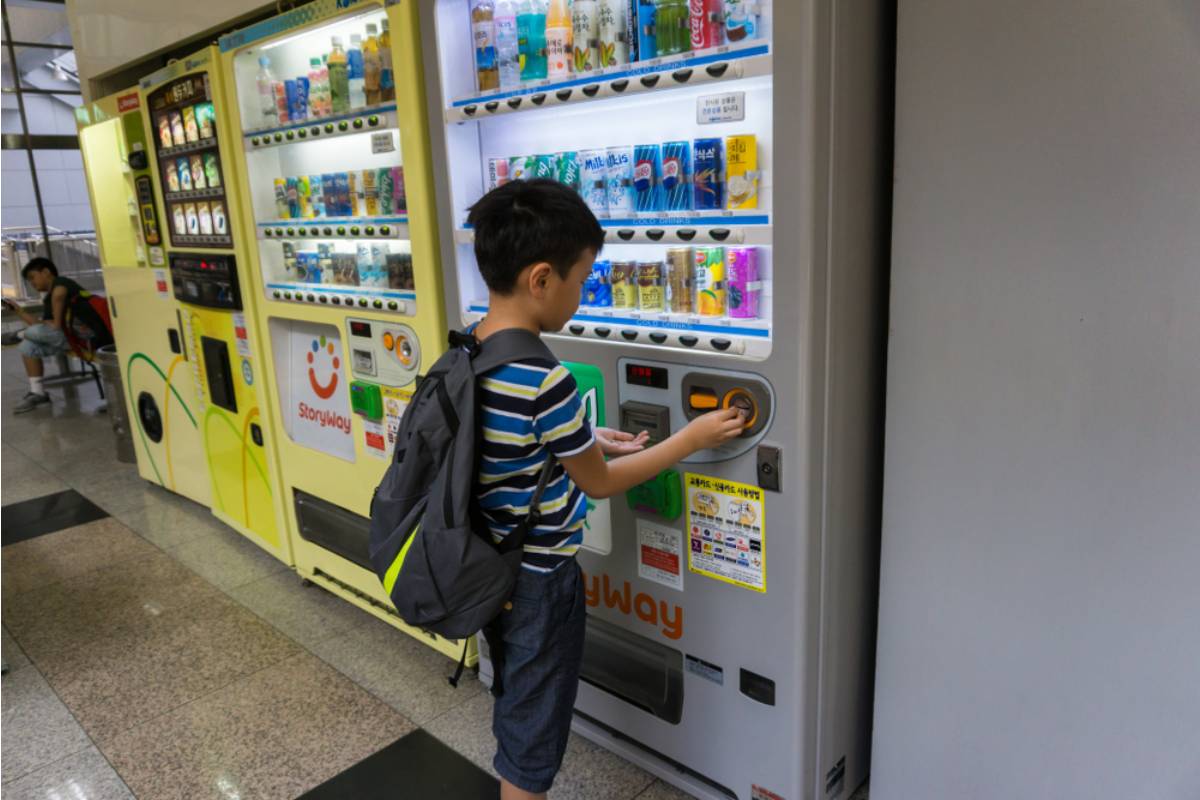
A large group immediately formed around the vending machines.
Instead of joining them, Ethan smiled, waved at his friends, and said he needed to grab something from his locker.
He wandered through another hallway until the crowd disappeared.
Only then did he walk past the machines and head toward basketball practice.
The Truth Finally Came Out
That evening, I gently told Ethan what I had seen.
For a long moment, he stared at the kitchen table without speaking.
Finally he sighed.
“I just don’t want anyone to notice.”
I asked what he meant.
He quietly admitted he skipped the vending machine line because he never had money to spend there.
A Feeling He Never Wanted Anyone to Notice
Ethan explained that most afternoons his friends bought sports drinks, chips, or candy before practice.
Nobody ever pressured him to buy anything.
In fact, several friends had even offered to pay for him.
That was exactly what he wanted to avoid.
I don’t want people feeling sorry for me,” he said.
“So I leave before they notice.”
The Habit Became a Routine
At first, Ethan only avoided the vending machines once or twice.
Then he realized nobody questioned his absence if he simply disappeared for a few minutes.
Eventually it became part of his daily routine.
He wandered through empty hallways, checked the gym bulletin board, or pretended to organize his backpack until everyone else finished shopping.
By the time he joined his friends, nobody remembered who had bought what.
A Friend Accidentally Revealed Something
A few days later, one of Ethan’s teammates stopped by our house to return a textbook.
While talking in the driveway, he casually mentioned that Ethan always seemed to know exactly when the vending machine line ended.
Then he laughed.
“We joke that he has perfect timing.”
He had no idea there was another reason behind it.
Listening to him made me realize Ethan had hidden his situation far better than I ever imagined.
Looking at Our Budget Honestly
That evening, my husband and I talked after Ethan went to bed.
We realized we had focused so much on covering necessities that we never considered how small everyday expenses affected social situations at school.
There was always enough for meals and important activities.
Extra spending money simply had not seemed necessary.
For Ethan, though, it was never about junk food.
It was about quietly trying to fit in.
A Decision That Surprised Ethan
The next Monday, I handed Ethan a small envelope before school.
Inside was enough money for occasional snacks during the month.
He immediately tried to give it back.
“I don’t need this,” he insisted.
I smiled and told him it was not about buying chips every day.
It was about giving him the freedom to choose instead of feeling like he had to disappear.
Something Changed at Practice
Later that week, Ethan came home looking happier than he had in months.
He told me he finally stood in line with everyone else after practice.
He bought a bottle of water and nothing else.
Then he laughed.
“You know what?”
“Nobody even cared.”
His friends spent the entire time talking about the upcoming game instead of paying attention to what anyone purchased.
The Coach Shared One Last Observation
Near the end of basketball season, Coach Daniels pulled me aside after a game.
He smiled and said he had noticed Ethan staying with the team instead of wandering the halls.
Then he said something that stayed with me.
“Confidence shows up in small moments before it shows up in big ones.”
Watching Ethan joke with teammates while waiting for practice, I understood exactly what he meant.
The Lesson Hidden Behind a Snack Machine
Looking back, I realized the hardest part for Ethan was never going without a drink or a bag of chips. It was believing that standing in the vending machine line would somehow expose something about his family’s finances that he desperately wanted to keep private. While no one else seemed to notice, he carried that worry every afternoon until it quietly shaped his routine.
That experience reminded me how easily adults can overlook the invisible pressures children place on themselves. A vending machine seemed insignificant until I understood what it represented in Ethan’s mind. Since then, we have talked openly about money, pride, and asking for help when something feels overwhelming.
The biggest change was not that Ethan occasionally bought a snack after school. It was that he stopped believing he had to hide from his friends just to protect his dignity. Sometimes the smallest hallway detours reveal the biggest stories a child has been carrying alone.