A Mom Says a Doctor Scoffed When She Learned She Was a Stay-at-Home Mother, and the Rest of the Appointment Suddenly Felt Completely Different

A person shared her story after going to a hospital appointment that was supposed to focus on her stress and anxiety. She expected to talk openly about what had been weighing on her and hopefully get some support. Instead, one brief question from the doctor quickly changed the entire mood of the appointment.
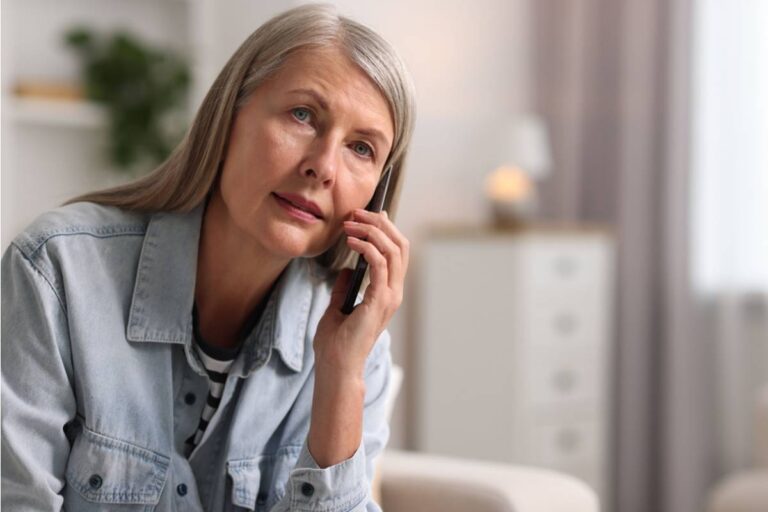
The doctor asked about her job, and the woman explained that she was a stay-at-home mother. According to her, the doctor appeared to scoff before looking back at the computer and continuing the conversation. It was a tiny reaction that lasted only a moment, but it was enough for the woman to notice immediately.
One Question Changed the Tone
The woman said she was already feeling vulnerable because she had gone to the appointment specifically because stress was affecting her health. Hearing what sounded like a dismissive reaction made her wonder whether the doctor had suddenly formed an opinion about her. She did not challenge the doctor in the moment, but she said she mentally started shutting down.
Instead of feeling more comfortable as the appointment continued, she became increasingly aware of the awkward atmosphere. Every question after that seemed harder to answer naturally. What had started as a routine medical conversation suddenly felt like something she simply wanted to escape.
There Was Much More Behind Her Answer
What made the reaction especially upsetting was that being a stay-at-home mother was not simply a casual lifestyle choice for her. She explained that she was raising two children with disabilities, which brought an enormous amount of responsibility into her daily life. Her stress levels were already high, and that was one of the reasons she had sought medical help.
She also explained that she had previously worked in child care. She eventually left that job so she could care for her own children because she did not feel comfortable putting their care in someone else’s hands. To her, staying home was not evidence that she had fewer responsibilities, and she struggled to understand why it might be viewed that way.
She Had Expected More Understanding
The woman said she was particularly surprised because the person making the remark was a female doctor. She had assumed another woman, especially one working in health care, might understand that different families make different choices for different reasons. Instead, the brief reaction left her feeling embarrassed and judged.
She also stressed that not every mother stays home for the same reason. Some genuinely want that arrangement, while others may find themselves there because of family circumstances or caregiving responsibilities. In her view, neither situation should be treated as something shameful.
Her Boyfriend Had His Own Theory
After the appointment, the woman told her boyfriend what had happened. He suggested that the doctor’s reaction might have been more about the doctor’s own feelings toward work and family life than anything about the woman herself. That possibility gave the woman another way to look at the strange moment.
Still, it did not make the appointment feel any less uncomfortable. She could understand that people have their own experiences and frustrations, but she believed a patient should not have to absorb those feelings during a medical visit. She had gone there looking for help, not another reason to feel stressed.
A Response Pointed Out How Much Parents Actually Do
A response from a person who worked outside the home pushed back against the idea that being a stay-at-home mother meant having an easier life. The person explained that even raising one child could feel harder than their paid professional job. That comparison seemed to resonate with the woman because it highlighted something she felt the doctor had overlooked.
Another person shared that their professional work involved handling wild animals, where mistakes could potentially put people or animals at risk. Even with that level of responsibility at work, they said raising their own child felt significantly harder. The stories served as a reminder that paid employment is not the only kind of demanding work.
Someone Else Remembered Being Asked What She Did All Day
Another response from a person recalled being asked what she actually did all day after becoming a stay-at-home mother. The question caught her so off guard that she did not even know how to respond. The awkwardness seemed to come from the assumption that staying home meant there was somehow very little to explain.
A different response from a person joked that they would describe it as doing the work someone else would otherwise be paid to do. The point was simple but effective: child care, meals, cleaning, schedules, emotional support and constant supervision do not disappear just because nobody hands over a paycheck at the end of the day.
The Woman Said She Had Not Planned Her Life This Way
The woman later explained that becoming a stay-at-home mother had not originally been part of her plan. Her circumstances changed after having children with disabilities, and she decided that caring for them herself was what made sense for her family. Over time, however, she came to accept the decision and said she would not change it now.
That made the doctor’s reaction sting even more. The woman had already made a major personal and professional decision based on her children’s needs, and she did not feel that decision required outside approval. Being treated as though her role was somehow lesser made her question why she had been made to feel embarrassed about it.
She Was Surprised by How Much It Affected Her
At first, she tried to laugh the whole thing off. She later described sitting through the rest of the appointment while thinking about how badly she wanted to leave. Even though the doctor had not delivered a long speech criticizing her, that one reaction was enough to change how safe and comfortable the appointment felt.
The irony was difficult for her to ignore. She had gone to the hospital because stress was already affecting her health, only to leave feeling even more upset because of the way she believed she had been treated. What might have seemed like an insignificant moment to someone else had a very real effect on her.
She Did Not Want to Return Four Weeks Later
Toward the end of the appointment, the doctor suggested scheduling another visit in four weeks. On paper, it was simply a routine follow-up. For the woman, however, the idea of sitting in the same room with the same doctor again was already making her uncomfortable.
She decided she did not want to return. Rather than putting herself through another appointment where she might feel judged, she planned to ask for someone else. The decision seemed small compared with everything else happening in her life, but it gave her some control over what happened next.
More Responses Reminded Her She Was Not Alone
A response from a person said their own doctor had treated them with respect for many years and had never made them feel judged. Another person pointed out that some people simply do not understand the realities of raising children, especially when they have never experienced the demands of parenting themselves.
Other responses acknowledged that stay-at-home parents can face unfair assumptions. Some people imagine the role as peaceful, flexible or filled with free time, while parents often experience the opposite. The woman found that the range of replies made her realize that the strange encounter was part of a much bigger misunderstanding surrounding unpaid caregiving.
The Situation Was About More Than a Job Title
The woman did not believe the problem was simply that the doctor had asked about her occupation. She understood that questions about work can be completely normal during a medical appointment. What bothered her was the reaction that followed when she gave an answer the doctor apparently did not expect.
For her, “stay-at-home mother” represented years of responsibility rather than a lack of responsibility. It meant being available for her children, managing their needs and making decisions she believed were best for them. She wanted that distinction to be understood, especially in an appointment focused on stress.
She Realized She Wanted a Doctor Who Would Listen
By the end of the experience, the woman seemed less interested in figuring out exactly what the doctor’s expression meant and more interested in finding someone she felt comfortable talking to. A response from a person encouraged her to look for a doctor who could approach her without making assumptions about her family life. That suggestion appeared to match what she was already considering.
The woman ultimately decided to request a different doctor for the follow-up. She could not change the awkward appointment or erase the feeling it left behind, but she could choose what happened next. After all, she had walked into the hospital looking for help with stress, and she did not want her next appointment to become another source of it.
What Started as a Simple Question Became the Last Appointment
The entire situation began with an ordinary question about what the woman did for work. Nobody in the room could have expected that such a simple exchange would determine whether she wanted to see the doctor again. Yet by the time the appointment ended, she had already made a decision about her future care.
Her story ultimately highlighted how quickly a small reaction can change the way someone feels in a vulnerable setting. She was not asking for praise for staying home, nor was she asking anyone to agree with her choices. She simply wanted the same thing many patients expect from a medical appointment: to be treated with respect while explaining what is actually making life difficult.