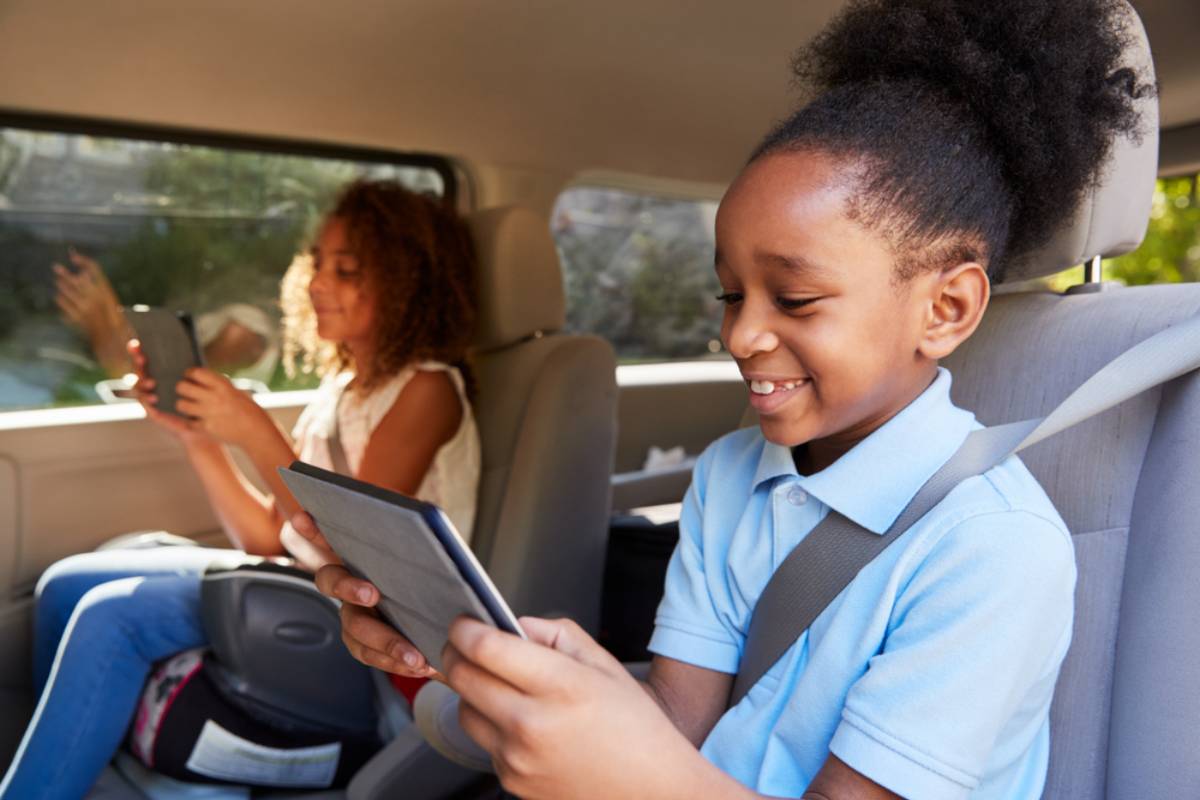
A Mom Says Her 3- and 4-Year-Olds Had Tablets Ready for a 15-Hour Drive, Then Shocked Her by Refusing to Use Them

A person shared her story about taking her 3- and 4-year-old children on a massive 15-hour road trip. She knew the drive would test everyone’s patience, especially because part of the journey would happen after dark. Rather than pretending the kids would happily stare out the window for an entire day, she prepared for every possibility.
The family already owned a tablet that was reserved specifically for long road trips, and they even bought another one before this particular drive. The plan was simple: the devices were there if things became chaotic, especially during the darker stretches of the trip. She was not setting out to prove anything, but she was pleasantly surprised by what happened instead.
The Tablets Were Packed Just in Case
The mom had a very specific rule for the devices, and they normally stayed out of daily life. At home, the children did not regularly use the tablets, so the screens had never become part of their normal routine. Long drives were supposed to be the exception, giving the family a backup plan when everyone was tired and restless.
She also knew that traveling at night could change everything. Young children can become cranky when they are tired, bored, or stuck in a car for hours, and she expected the tablets might eventually become lifesavers. With two young children and a full 15 hours ahead, keeping them packed away felt more like an experiment than a guarantee.
Then One Child Needed a Little Entertainment
At one point, one child was sleeping while the other was awake, and the mom decided it might be time to test the emergency entertainment plan. She handed the tablet over, probably expecting the child to accept it immediately after spending so much time in the car. Instead, the child pushed it away.
That tiny reaction completely changed the mood of the trip. The mom was surprised that the child did not seem interested in the very thing she had assumed would be the ultimate distraction. It was one of those parenting moments that can leave someone thinking, “Wait, really?”
The Kids Chose the Old-Fashioned Option
Without the tablet, the children still had plenty of ways to pass the time. They could listen to music, watch the scenery, talk, nap, and simply let the hours roll by as the family traveled. Somehow, the trip kept moving without the dramatic meltdown the mom had been prepared for.
She admitted that the children definitely enjoyed television in normal life, so this was not a declaration that screens were evil or forbidden. The surprising part was that the kids seemed perfectly content without personal devices during the long drive. For the mom, that was what made the experience feel special.
She Was Proud, But Not Trying to Judge Anyone
The person was careful to explain that her excitement was not about feeling superior to parents who use screens. She understood that families have different routines, different children, and completely different tolerances for long stretches in a car. Her happiness came from seeing that her own children could handle this particular trip without needing a tablet.
She also acknowledged that the return trip could go very differently. A successful 15-hour drive did not suddenly make her an expert on every future trip, and she knew she might eventually hand over a tablet herself. The devices were still packed and ready, which showed that she was proud of the result without pretending she had discovered a magical parenting formula.
One Person Had a Simple Theory
A response from a person offered a theory about why the children were so uninterested in the tablets. The idea was that children may not miss something they have never regularly had, because it never becomes an expected part of their routine. Since the family’s tablets were not used at home, the children may have viewed them as unusual rather than irresistible.
Another response from a person described a similar experience with a young child who actually enjoyed car trips. Music and children’s podcasts had become enough entertainment, and looking out the window was simply part of the adventure. It sounded almost like a throwback to childhood road trips when the scenery itself was the entertainment.
Other Parents Remembered Their Own Childhoods
The conversation also brought up a very different kind of road-trip childhood. One person remembered riding in a van during the 1990s that had a television and VHS setup, with a game console connected for long family drives. For that family, screens had been part of road trips long before today’s tablets ever appeared.
The original poster agreed that a shared screen felt different from handing every child a personal device. She pointed out that her family’s minivan already had a built-in display, and she expected they would probably use it once the children were old enough to face forward. Her point was never that every screen had to disappear, only that the children had managed this trip without needing one.
Then the Conversation Took a Turn
Not everyone focused on the cute surprise of the children refusing the tablet. A person responded with a much more passionate defense of using screens during long drives, especially after making the same difficult trip again and again. This person explained that both sides of the family lived many hours away and that the family had completed the journey countless times over the years.
That experience changed the perspective completely. Long drives were not always peaceful adventures filled with scenery, snacks, and cheerful conversation, particularly when children dealt with boredom, crying, or motion sickness. The person argued that a tablet could be one more tool in the parenting toolbox rather than some kind of parenting failure.
Car Sickness Made the Situation Even More Complicated
The response explained that motion sickness could eliminate many traditional ways of entertaining a child. Reading books or looking down for long periods can be difficult for children who become sick in the car, which can leave parents with far fewer options. Audiobooks, music, and other tricks can help, but they do not work equally well for every child.
The person described using tablets mounted directly in front of the children rather than having them stare down into their laps. According to her experience, that setup helped her own child during long drives and made the trip more manageable. Her larger point was that different children can respond very differently to the same strategy.
Safety Became Part of the Argument
The discussion eventually moved beyond screen preferences and into the practical realities of keeping a family safe on the road. A screaming child can be distracting for a driver, especially when the trip is already many hours long and everyone is exhausted. From that perspective, a screen can become less about convenience and more about helping a parent stay focused.
A person strongly argued that parents should not feel guilty for using a tablet when it solves a difficult travel situation. Her children were now teenagers, and she pointed to their school performance, responsibilities, intelligence, and future plans as evidence that occasional road-trip screen time had not ruined them. The argument was simple: a few movies during an exhausting drive are not going to define a child’s entire future.
Another Parent Saw the Same Issue Differently
A response from a person pointed out that screens can actually make motion sickness worse for some children. In that family, looking outside the window and listening to audio worked better than watching something up close. It was a useful reminder that even the same parenting tool can be helpful for one child and miserable for another.
The disagreement could have ended there, because both experiences could be true at the same time. Instead, the conversation became increasingly heated as the two sides defended what had worked for their own families. What started as a cheerful story about a tablet-free road trip had turned into a much larger debate about whether parents feel judged for making different choices.
The Bigger Problem Was the Pressure to Do Parenting One Way
The person defending tablets eventually made it clear that she was not telling anyone to use screens. She was frustrated by the idea that there was only one correct way to raise young children, especially when real-life circumstances could make every family different. Her message was that parents should be able to use whatever reasonable tools help them get through difficult situations.
Another response from a person suggested that the heated defense revealed some deeper insecurity about screen use. That accusation shifted the discussion away from practical travel tips and toward the emotions behind parenting decisions. Suddenly, a simple road-trip story was carrying all the tension of a much bigger argument.
The Original Mom Stayed Focused on Her Own Surprise
Despite all the debate, the mom who started the conversation stayed fairly clear about what she had actually been celebrating. She had packed the tablets because she believed the children might need them, and she was simply happy that they never did. She was not trying to create a universal rule for every family on every road.
She also explained that the family had made similar trips several times before, which made the successful drive even more surprising. With her youngest newly potty trained, she had expected the journey to be longer and potentially more demanding than usual. The fact that the children handled the entire experience without the emergency screens felt like a small parenting victory.
The Most Surprising Part Was What the Kids Wanted
The real twist was not that two young children survived 15 hours without screens. It was that the children had access to the tablets and simply did not seem interested when one was finally offered. The mom had prepared for the moment when boredom would win, only to discover that her children were perfectly happy letting the journey unfold without a personal screen.
That little refusal seemed to matter more than any parenting argument that followed. The tablets were still available, the television at home was still part of family life, and future trips could easily look different. For one very long drive, though, the kids had quietly shown their mom that they were capable of more than she expected.
Sometimes the Backup Plan Is What Makes Parents Feel Brave Enough to Skip It
The family never had to pretend that the tablets did not exist. They brought them along, had them ready, and knew exactly when they might become useful if the trip fell apart. Ironically, having that backup may have made it easier to let the children entertain themselves naturally rather than worrying about whether the drive would become unbearable.
In the end, the story was less about winning a screen-time competition and more about discovering what worked for one family on one unusually successful trip. Some children may happily spend hours looking out the window, while others may need a movie to make a 15-hour drive manageable. The mom simply got to experience the rare parenting moment when the emergency plan stayed untouched, and that turned out to be worth bragging about.