A Mom Says Her 5-Year-Old Is Perfect at School and With Everyone Else, but Turns Into a Completely Different Child at Home

A person shared her story about her 5-year-old child, and at first, everything sounded almost too good to be true. At school, teachers constantly praised the child and seemed genuinely fond of them, while grandparents described the child as sweet and easy to care for. Even during playdates, the child somehow managed to be one of the best-behaved kids in the room.
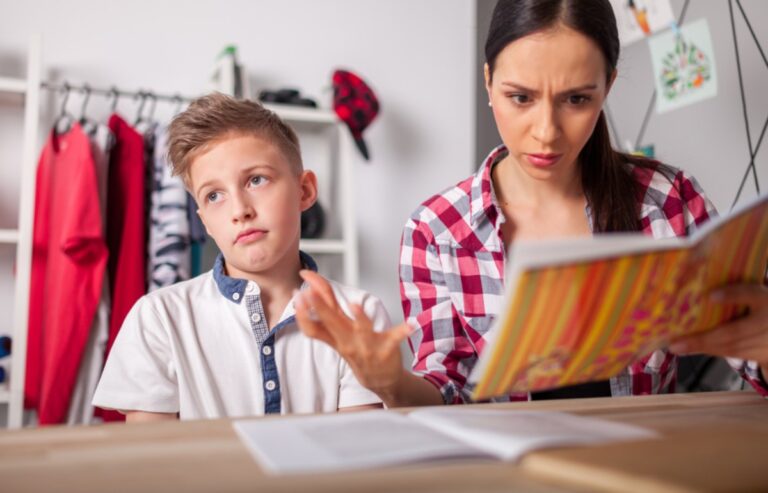
Then the front door opened, and the entire personality seemed to change. At home, the child whined, talked back, acted bratty, and showed very little respect toward either parent. The mother couldn’t understand how the same child could be so pleasant everywhere else and so difficult in the one place where the parents were trying hardest.
School Was Full of Praise
The child’s teachers had always been impressed by their behavior. They described the 5-year-old as someone who listened, behaved well, and was apparently easy to have in the classroom. Instead of receiving complaints from school, the parents kept hearing how wonderful their child was.
That made home life even more confusing. Every compliment from a teacher seemed to clash with what the parents experienced after school. It was almost as if the child had two completely different personalities, one reserved for the outside world and another saved exclusively for the family.
Grandparents Saw a Different Child Too
The strange pattern didn’t stop at school. When the child visited the grandparents, they were reportedly sweet, cooperative, and easy to handle. The grandparents seemed to get the pleasant version that the parents desperately wished would make an appearance at home.
Playdates followed the same pattern. The child could behave beautifully around other children, which made the parents wonder whether they were somehow causing the bad behavior themselves. If everyone else could bring out the good side, why couldn’t the parents do the same?
Home Was Where the Trouble Started
According to the mother, the moment the child was back home, patience seemed to disappear. Simple requests could turn into whining, and ordinary conversations could quickly become arguments. The parents were left dealing with behavior that seemed completely disconnected from the child everyone else described.
The mother admitted that she was beginning to worry about what kind of person she was raising. She didn’t want to accidentally create a spoiled or disrespectful child. The fear was especially strong because she couldn’t figure out what she was doing wrong.
Then Someone Offered a Different Explanation
A response from a person suggested that the behavior might actually have a surprisingly positive explanation. Children often behave differently around their parents because home is where they feel most comfortable. Instead of seeing the behavior as proof that something had gone terribly wrong, the parent was encouraged to see it as a sign that the child felt secure enough to let down their guard.
That didn’t make the whining magically easier to tolerate. Still, it changed the story from “the parents are raising a monster” to “the child feels safe enough to test boundaries here.” For a mother already feeling guilty, that difference mattered.
Home Was the Safe Space
Another response from a person put it even more simply: home was the child’s safe space. The idea was that children don’t necessarily behave identically in every environment because every environment carries different emotional rules. At school, the child knew exactly what was expected and understood that there were boundaries to follow.
At home, the child could relax and experiment. They could complain, argue, become emotional, and push limits because they trusted their parents would still be there afterward. In a strange way, the behavior that exhausted the parents could also be connected to the security they had worked so hard to create.
Parents Were Not the Only Ones Seeing This
The mother quickly discovered that her family wasn’t some unusual exception. A response from a person described having two children, ages 6 and 3, who behaved much better outside the home. According to that parent, the worst behavior consistently appeared around the people the children felt safest with.
Another person shared a similar experience and said the situation was difficult, but still preferable to having the opposite problem. Their children were also more challenging at home than they were in public. The comments gave the original mother something she hadn’t expected to find: solidarity.
One Parent Said Her Girls Were the Same
Another parent described her daughters as almost perfect according to their teachers. The girls were praised for being sweet, good listeners, and helpful, and their teachers seemed genuinely impressed by them. Yet once they got home, the parent said she barely recognized the behavior being described at school.
Getting the children to do simple things could feel like pulling teeth. The parent eventually introduced an award system for her 5- and 7-year-old children in hopes of encouraging better behavior at home. Her experience suggested that even children who are consistently praised elsewhere can still require plenty of structure at home.
The Good Behavior Was Still Real
The mother’s biggest fear was that the good behavior outside the house might somehow be fake. If the child could behave perfectly at school, perhaps the parents were dealing with a child who was deliberately choosing to disrespect them. But the responses suggested that the opposite interpretation was possible.
The child clearly had the ability to listen, cooperate, and follow expectations. That was actually encouraging because those skills weren’t missing. The challenge was getting the child to use them consistently when they were tired, comfortable, emotional, or testing boundaries at home.
Testing Boundaries Is Part of Growing Up
A response from a person explained that children naturally test limits in environments where they feel secure. They are constantly figuring out how much independence they have and what happens when they push against a rule. Parents often become the main audience for these experiments because they are the people children trust to keep the boundaries in place.
That doesn’t mean parents have to tolerate disrespectful behavior. It simply means the behavior doesn’t automatically indicate that the child is spoiled or badly raised. The parents can acknowledge the feelings while still making it clear that whining, talking back, and disrespect aren’t acceptable ways to communicate.
The Situation Could Have Been Much Worse
One response offered a perspective that probably gave the mother some relief. The person pointed out that children who behave well around their parents but struggle badly everywhere else can create a much more difficult situation for the family. In this case, teachers, grandparents, and other parents were consistently seeing a child who could function well socially.
That meant the child already possessed the tools needed to behave appropriately. The parents weren’t starting from scratch and didn’t need to wonder whether their child was incapable of following rules. The challenge was helping those skills make their way through the front door.
The Mother Was Far From Alone
As more responses appeared, the pattern became almost reassuringly familiar. Several people said their own children were the same, with one person explaining that their child was still behaving this way at 8 and nearly 9 years old. What initially felt like a uniquely frustrating parenting failure suddenly looked like something many families experienced.
That didn’t solve the arguments at bedtime or make whining any less irritating. It did, however, give the mother permission to stop assuming that every difficult moment meant she had failed as a parent. Sometimes children simply save their biggest emotions for the people they trust most.
The Twist Was Hidden in the Compliments
The very thing that had confused the mother may have been the most reassuring part of the entire story. Her child wasn’t struggling everywhere, failing to understand boundaries, or behaving badly with every adult they encountered. The child was demonstrating strong social skills and self-control in multiple settings.
The difficult behavior appeared primarily where the child felt completely safe. That didn’t mean the parents had to accept every tantrum or excuse every act of disrespect, but it did mean they could approach the problem without labeling their child a brat. The child wasn’t necessarily showing the world a fake personality and saving the real one for home.
The Parents Still Had Work to Do
Feeling safe explained the behavior, but it didn’t eliminate the need for boundaries. The parents could continue teaching respectful communication while reminding their child that being comfortable at home didn’t mean every behavior was acceptable. The goal wasn’t to make the child afraid to express frustration, but to teach them how to express it without treating their parents poorly.
The mother had started the conversation worried that she might be raising a spoiled monster. Instead, the responses offered a more complicated and hopeful picture. Her child appeared to be a well-adjusted 5-year-old who knew how to behave, knew how to connect with others, and was simply most willing to test the limits in the place that felt safest of all.
Home Wasn’t Getting the Worst Version After All
By the end, the story had taken an unexpected turn. What looked like proof that something was wrong with the family’s parenting could actually be evidence that their child trusted them deeply. School, grandparents, and playdates showed the parents that their child already knew how to be kind, cooperative, and respectful.
The real challenge was helping that same child learn that safety and respect could exist together. The whining and backtalk still needed boundaries, but the parents didn’t have to interpret every difficult moment as a sign they had failed. Sometimes the child who is an angel everywhere else is simply the child who feels safe enough at home to finally let everything out.