A Mom Says Her 9-Year-Old Started Treating Her Classroom Like Her Personal Responsibility List, and One Hungry Afternoon Made Her Realize Something Was Wrong

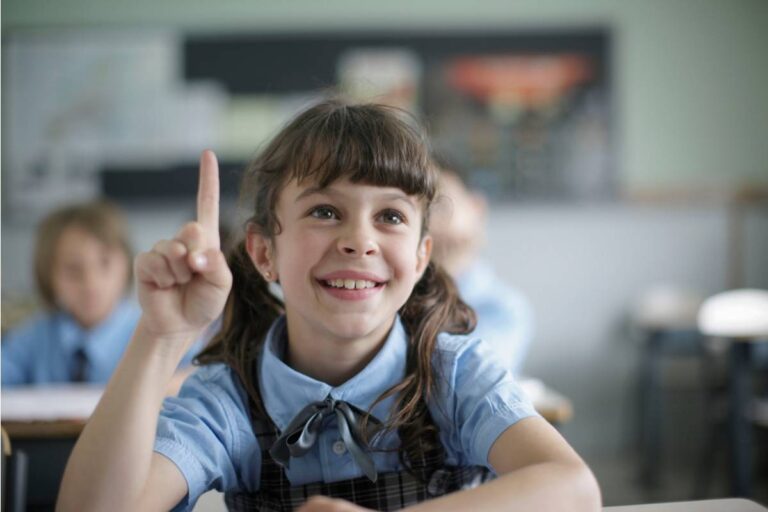
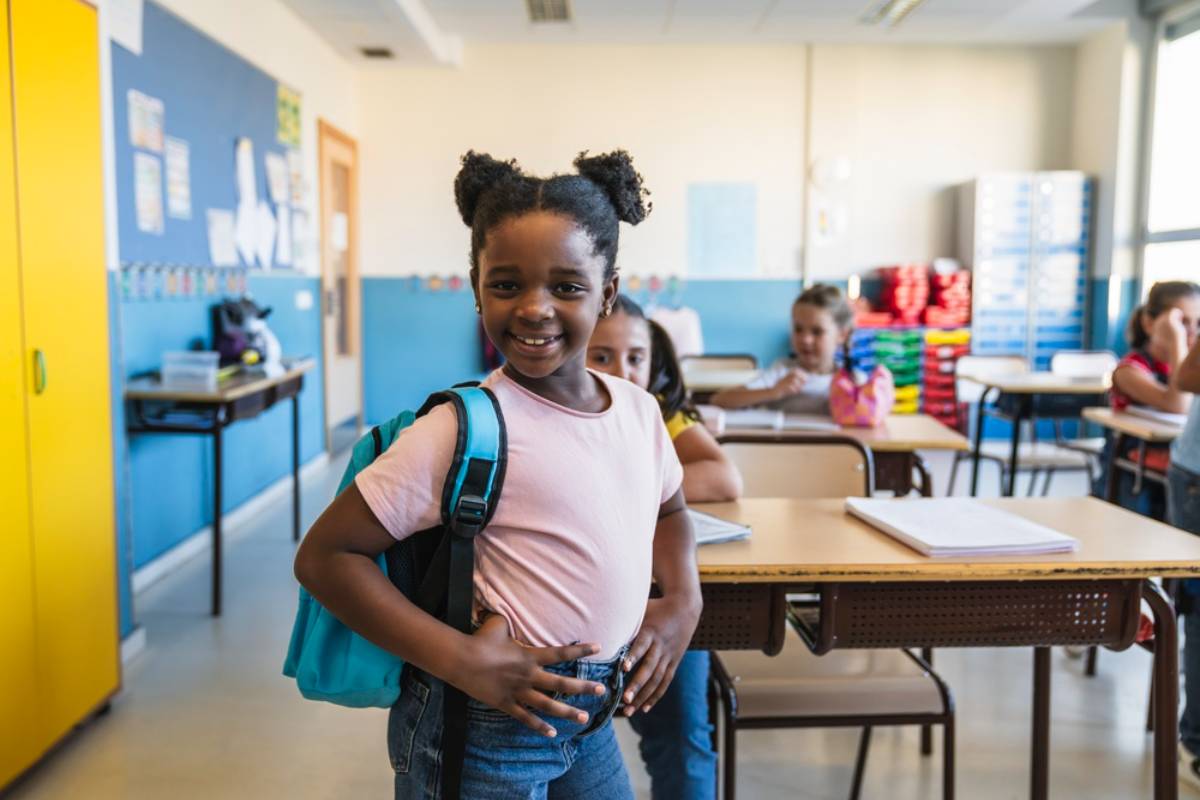
A mother shared that her 9-year-old daughter has always been unusually attentive to the people around her. If a classmate forgot a pencil, she somehow had a spare, and if someone sat alone, she was usually the first child to wander over and keep them company. Her teacher regularly praised her for being mature and helpful, so at first, her mother thought they were simply watching a caring personality blossom.
Then Being Helpful Started Following Her Home
Lately, however, the girl stopped leaving the classroom behind when the school day ended. She began coming home worried about classmates who had forgotten assignments, lost worksheets, missed lunch, or had a bad moment during recess. It was almost as though she had quietly accepted a second job, and unfortunately, nobody had remembered to tell her she wasn’t actually employed by the school.
She Started Keeping Track of Other People’s Problems
The situation became more obvious when she grew upset over a boy who repeatedly lost his worksheets. She told her mother she should have reminded him to put them into his folder because, in her words, “I know he forgets.” To the little girl, noticing the problem seemed to automatically mean she had to prevent it.
Then Came the Snack Incident
One afternoon, her daughter admitted that she had given away part of her snack because another child didn’t have anything to eat. Instead of simply feeling good about helping, she spent the rest of the afternoon hungry herself. Her mother suddenly saw that this wasn’t just kindness anymore; her daughter was beginning to believe that helping someone else meant she had to sacrifice something of her own.
One Question Stopped Mom Cold
Her mother gently explained that she didn’t have to solve every problem she noticed at school. The girl became upset and asked, “But what if nobody else helps?” That single question hit her mother harder than any of the missing pencils or forgotten lunches ever could, because it sounded like a 9-year-old had somehow convinced herself that the entire world would fall apart if she stopped paying attention.
The Good Kid Was Starting to Feel Like a Failed Employee
Her mother also noticed something else troubling. The girl had started getting frustrated with herself whenever she missed an opportunity to help, almost as though being responsible for everyone else was a test she could fail. The quality adults had once praised—her reliability—was slowly turning into pressure she carried around in her backpack.
Mom Didn’t Want to Punish Her Kindness
The mother was careful not to send the message that caring about other people was a bad thing. She loved that her daughter noticed when someone was lonely, needed help, or had been left out, and she didn’t want to replace that empathy with indifference. The real goal was to teach her that compassion could have boundaries without becoming less genuine.
The Teacher Hadn’t Actually Asked Her to Do Any of This
When the mother spoke with the teacher, she learned that the classroom wasn’t officially using her daughter as some miniature assistant. The problem was that the girl volunteered constantly, and adults naturally tended to accept help from the child they knew was dependable. The teacher agreed to be more mindful about not automatically relying on her whenever something needed to be done.
Another Parent Suggested Giving Her Helping a Proper Time and Place
A father responded with the story of his own daughter, who had been much the same way since elementary school. Instead of letting her carry the needs of her classmates around all day, the family found organized ways for her to help, including class snack supplies, volunteering with his wife at a family shelter, holiday shopping for others, and food drives. As she got older, that instinct eventually turned into a weekly homework club where she could help younger students in a setting designed for exactly that purpose.
Another Person Said the Missing Ingredient Was Balance
A person who said they had been the same kind of child suggested teaching an idea that sounds simple but can be surprisingly difficult for an over-responsible kid: looking after yourself should count just as much as looking after everyone else. They described it as keeping one stone in each pocket so the child could picture what balance actually means instead of hearing another vague reminder to “take care of yourself.” They also suggested praising the girl for qualities that had nothing to do with helping, so she learns that she is valuable even when she isn’t fixing something.
School Is for Learning, Not Managing Everyone Else
That same response made another important point: at school, the girl’s main job is to learn and be kind, not to monitor whether every other child is succeeding. The teacher is the adult responsible for forgotten homework, classroom behavior, and children who need assistance. The girl can offer help when it feels natural, but she doesn’t need to become the backup adult in the room.
She Also Needs to Learn That Problems Can Stay Problems
One especially interesting suggestion was to help her understand that not every uncomfortable situation needs an immediate solution. Sometimes a child will be hungry, tired, upset, or disorganized, and that doesn’t automatically create an emergency for her to fix. Her classmates have families and adults of their own, and part of growing up is learning that another person’s temporary struggle doesn’t always belong on your personal to-do list.
The Adults Had One More Thing to Watch
The responses also pointed out that highly responsible children can absorb frightening information about the world and then feel personally responsible for fixing enormous problems. Limiting what she is exposed to at her age, while also showing her stories about communities solving problems together, could help her understand that big challenges are usually handled by many people—not one nine-year-old carrying the whole thing alone.
Then Came the Bigger Twist
One person admitted that they had spent much of their own life playing the role of the “superhero,” taking care of everyone and eventually becoming the person everyone expected to rescue. They said that being needed initially felt wonderful, but over time people began taking advantage of that instinct, and genuine friendships became harder because relationships started to feel one-sided. The lesson for this little girl, they warned, isn’t simply how to help others—it is how to have friends who like her company even when she isn’t doing anything for them.
The Goal Isn’t to Raise a Less Caring Child
The mother now seems to be facing a much subtler parenting challenge than she expected. She doesn’t want her daughter to stop noticing people; she wants her to realize that kindness doesn’t require self-neglect, constant vigilance, or a personal emergency response team. The twist is that the very trait everyone once celebrated may need just as much guidance as any difficult behavior, because learning when to help—and when to let an adult handle it—may be one of the most important lessons this thoughtful little girl ever learns.