A Mom Says Her In-Laws Dropped Off a Puppy for Her Son’s Birthday Without Asking, and Suddenly Her Family Had a Very Big Decision to Make

A mom shared her story after her in-laws arrived for her six-year-old son’s birthday with a surprise that completely changed the mood of the celebration. Instead of bringing a typical present, they showed up with a tiny Chihuahua mix puppy and apparently expected the family to simply accept it. The mom and her 35-year-old husband had no warning that a dog was coming through their front door.
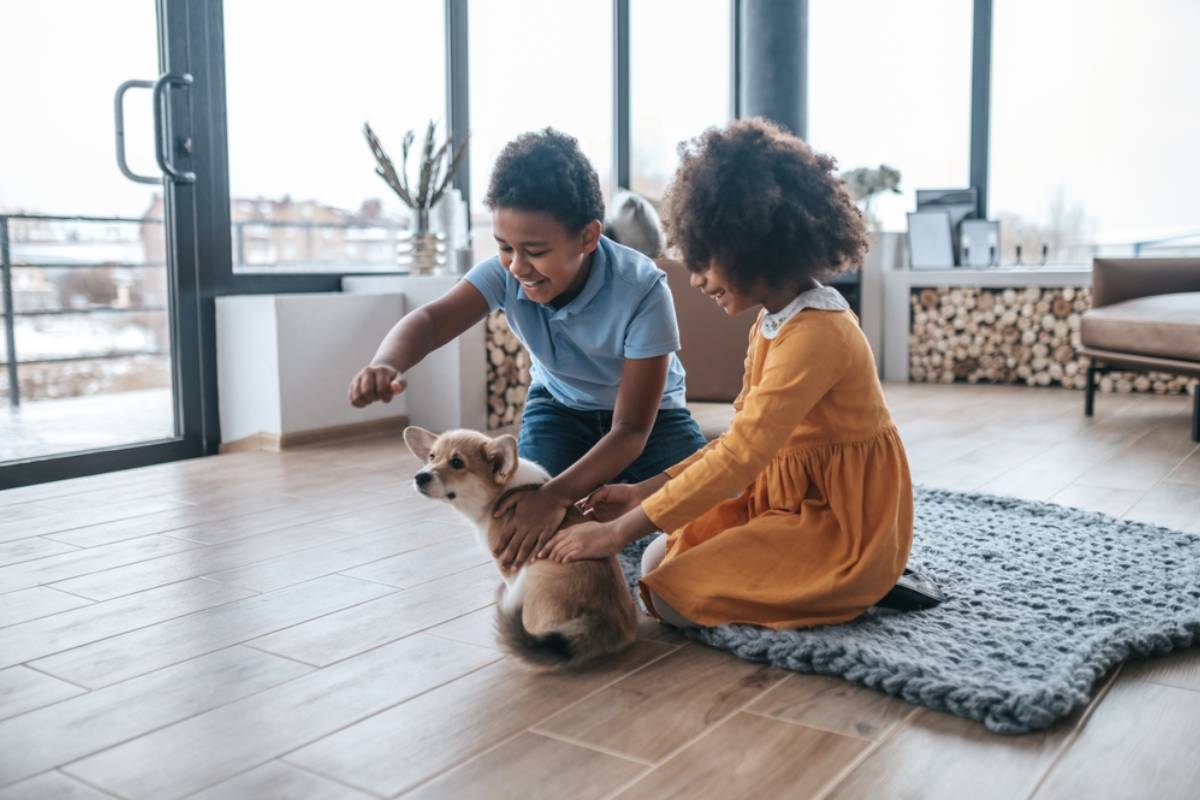
The couple already had two young children, a six-year-old and a four-year-old, which made the surprise even bigger. While the adults were stunned, the children reacted exactly as the grandparents had hoped and immediately fell in love with the puppy. Within moments, what was supposed to be a birthday gift had turned into a serious family decision.
The Kids Fell in Love Instantly
The children did not need any convincing once they saw the puppy. To them, the tiny dog was not a complicated responsibility or a long-term commitment, but an adorable new friend who had somehow appeared at their birthday celebration. Their excitement made the situation much harder for their mother and father to handle.
The husband was just as surprised as his wife and reportedly tried to explain to his parents that bringing the puppy over had not been a good idea. The grandparents brushed off his concerns and insisted that the children would love having a dog. Their confidence seemed to come from their own feelings about pets rather than from any discussion with the parents.
Grandma Had Always Wanted a Dog
The mom said her mother-in-law explained that she had always wanted a dog while growing up. In her mind, dogs had brought tremendous joy, so she apparently assumed the same experience would happen for her grandchildren. She described the puppy as a wonderful family pet rather than treating it like the major responsibility it actually was.
That reasoning left the parents in an awkward position because loving dogs and being ready to own one are two very different things. A puppy needs food, training, attention, supervision, medical care, and patience from the people responsible for it. None of those decisions had been made before the puppy arrived.
The Puppy Was Simply Left Behind
Instead of taking the puppy home when the parents objected, the in-laws left it with the family. The mom described the situation as though the decision had effectively been made for them without their agreement. The family was suddenly standing there with two excited children and a puppy they had never planned to own.
That created a particularly difficult problem because saying no now would also mean disappointing the children. A response from a person pointed out that the children could become heartbroken if the puppy had to leave after they had already bonded with it. The grandparents’ attempt at creating a happy memory had therefore created the exact emotional pressure that could make the parents feel trapped.
A Puppy Is More Than a Birthday Present
One response from a person emphasized that a puppy can represent a commitment lasting many years, not just a cute surprise for a birthday. Another noted that food, toys, routine care, vaccinations, deworming, neutering, and unexpected veterinary treatment can all become part of the expense. The concern was that the grandparents had handed over the responsibility without first finding out whether the parents wanted it.
Other responses from people also focused on how unpredictable pet ownership can become. Someone described an expensive veterinary emergency involving a pet that had suddenly needed treatment, while another person mentioned the added complication of arranging pet care during vacations. Those stories reinforced the larger point that bringing home an animal affects far more than a single afternoon.
The Parents Were Not Given a Choice
The mom’s biggest problem seemed to be that she and her husband never had the chance to discuss whether they wanted a dog. They had not chosen a breed, considered the timing, prepared their home, or talked through who would handle the daily care. Instead, the puppy arrived first and the family was expected to figure everything else out afterward.
A response from a person argued that a living animal should be a family decision rather than a surprise gift. That response reflected the frustration many people expressed about the grandparents making a major choice on behalf of another household. The situation was not really about whether the puppy was cute enough, but whether the parents had agreed to take responsibility for it.
The Children Were Also Part of the Problem
The children were young enough that simply explaining the responsibilities of owning a puppy would not necessarily solve everything. A four-year-old and a six-year-old might adore an animal, but the adults would still be responsible for feeding it, training it, cleaning up after it, scheduling veterinary visits, and making sure everyone stayed safe. The excitement belonged to the children, while much of the work would belong to the parents.
One response from a person also pointed out that young children can accidentally hurt very small dogs during ordinary play. With a tiny puppy running around, something as simple as a child stumbling or stepping in the wrong place could become a problem. That did not mean the puppy was automatically unsuitable, but it added another responsibility the parents had never agreed to take on.
The Grandparents’ Good Intentions Complicated Everything
The mom described her in-laws as generally good people who genuinely loved their grandchildren. That detail made the situation more complicated because this did not sound like an obvious attempt to cause trouble. The grandparents apparently believed they were creating a wonderful surprise and giving the children something they would remember forever.
But good intentions did not erase the fact that the parents had not been consulted. A response from a person suggested that the grandparents might have confused what they personally wanted with what the entire family wanted. Their excitement about giving the children a puppy did not automatically make the parents ready to become dog owners.
The Puppy Could Create a New Routine Overnight
Bringing a puppy into the home would change the family’s daily routine immediately. Even a well-behaved dog would need consistent attention, and a young puppy would also need training and supervision. The parents would have to fit those responsibilities around the needs of two young children who already kept them busy.
Several responses from people focused on the practical side of that challenge. One person compared having a puppy with caring for another toddler, while another mentioned how difficult it could be to manage household schedules while also making sure a dog was fed, exercised, supervised, and cared for. The cute birthday surprise suddenly looked a lot more complicated once the family’s ordinary routine came into view.
The Money Question Made the Surprise Bigger
Pet ownership also comes with costs that are easy to overlook when the main focus is a playful puppy. One response from a person described spending thousands over the course of a year on two small dogs, while others mentioned expensive veterinary procedures and emergency treatment. Those experiences were presented as examples of how quickly pet expenses can become significant.
The issue was not simply whether the family could afford dog food or basic supplies. Veterinary emergencies, routine preventive care, medication, grooming, boarding, and other unexpected expenses can all add up over time. The parents had not been able to make that financial decision because the decision had already been made for them.
Training Would Become Another Job
The puppy would also need training, especially because it was entering a home with two small children. A response from a person stressed that teaching a dog boundaries and commands is an important part of raising a safe and manageable pet. That would require consistency from the adults, not just enthusiasm from the children.
Someone else specifically brought up the importance of teaching a dog to leave food and other tempting things alone. With young children around meals, snacks, and toys, the family would need to think about how both the dog and the children behaved around one another. Again, the parents were being asked to solve challenges they had never planned for.
Some People Suggested a Different Home for the Puppy
Not every response from a person focused on simply getting rid of the puppy. Several people suggested a compromise in which the grandparents could keep the dog at their own home and let the children visit it there. That would allow the children to enjoy the puppy without turning their parents’ home into an unplanned pet household.
Some people described similar arrangements from their own childhoods. One person recalled being told that a puppy could still be considered “theirs” even though it lived at a family member’s house, allowing regular visits without placing the full responsibility on the parents. It was presented as a way to preserve the children’s excitement while giving the adults control over where the animal lived.
Returning the Puppy Could Still Hurt the Kids
The hardest part of the situation was likely not the puppy itself, but what would happen if the parents decided to return it. The children had already become emotionally attached, and taking the puppy away could feel to them like losing a new family member. The grandparents had unintentionally made the parents responsible for handling that disappointment.
A response from a person suggested that the parents could explain that Grandma had given them a puppy without asking first and that the dog would be living with the grandparents instead. Another response suggested framing the situation as a lesson about how major decisions need to be discussed with everyone involved. Either way, the parents would have to manage the children’s feelings after a decision they had never asked for in the first place.
The Grandparents May Have Created a Bigger Family Boundary
Beyond the puppy, the story raised another issue about boundaries between the grandparents and the parents. If the in-laws could make a major decision involving the children without asking the parents, the couple might now worry about what other surprises could appear in the future. The puppy had turned an ordinary birthday visit into a test of who gets to make decisions for the household.
One response from a person suggested that future gifts should be discussed with the parents in advance. That idea was less about punishing the grandparents and more about making the rules clear before another unexpected situation occurred. The couple could love and appreciate the grandparents while still making it clear that affection for the children did not give anyone else the right to make major household decisions.
The Puppy Was the Innocent Part of the Story
Amid all the disagreement, the puppy itself had done nothing wrong. It had simply been placed in a new home and surrounded by people who reacted very differently to its arrival. The children saw a playmate, the grandparents saw a dream gift, and the parents saw a responsibility they had never agreed to take on.
That difference in perspective explained why the situation became so tense so quickly. The puppy did not understand the argument about money, training, schedules, or boundaries, and it certainly did not know why everyone was suddenly debating where it should live. The adults had created the problem, while the animal was simply caught in the middle.
The Birthday Gift Turned Into a Family Decision
What began as a child’s birthday celebration had become a much larger conversation about responsibility, parenting, and boundaries. The parents now had to decide whether keeping the puppy was realistic or whether it belonged somewhere else. They also had to figure out how to explain that decision to two children who only saw the fun side of having a new pet.
The responses from people showed just how differently families might handle the situation. Some argued that the puppy should immediately go back to the grandparents, while others suggested making it the children’s special pet at Grandma’s house. Whatever happened next, the surprise gift had made one thing very clear: bringing a living animal into a family is a decision that can change the entire household.