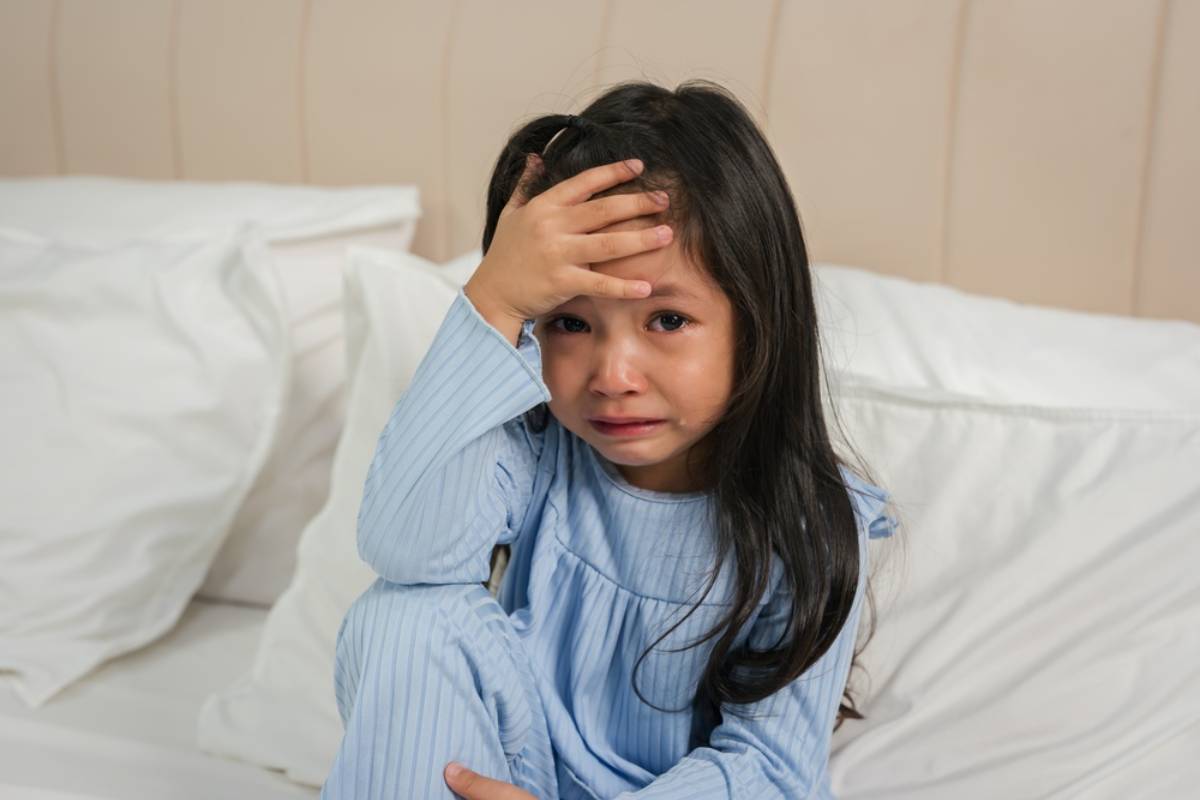
A Parent Says Her 6-Year-Old Suddenly Started Worrying About What Kids at School Would Think, and Even Her Favorite Raincoat Became a Problem

A person shared their story about their six-year-old daughter, who recently started showing signs of concern about how she looks at school. Until now, she had mostly been happy to wear whatever caught her attention, without worrying much about whether other children approved. The sudden change has left the parent wondering how peer pressure managed to appear so early.
The issue had not arrived all at once, but it was becoming harder to ignore. The girl had already experienced a few difficult mornings because her hair did not look the way she wanted it to. Then came an argument over shoes she liked but feared other children would laugh at.
Hair Suddenly Became a Big Deal
The first warning signs appeared during ordinary school mornings. A hairstyle that seemed perfectly fine at home could suddenly become a major problem once the girl looked in the mirror. What had once been a simple routine was turning into a stressful debate before the family even made it out the door.
The parent remembered having similar feelings as a child, but much later in elementary school. At around age 11, they had started worrying about clothing and appearance, while younger years had felt much more carefree. Seeing those same concerns appear at six made the situation feel surprisingly serious.
Then the Shoes Joined the Problem
Not long after the hair struggles began, the girl’s shoes became another source of anxiety. The parent had bought a pair for her, apparently expecting them to become an ordinary part of her school wardrobe. Instead, the girl worried that classmates would make fun of her for wearing them.
Her reaction caught the parent off guard because the shoes were not causing any practical problem. The concern was entirely about what other children might think. It was another small moment that suggested the opinions of classmates were becoming much more powerful in her mind.
Rain Made the Morning Feel Special
Then came the morning that really stayed with the parent. Rain had started falling outside, which was unusual enough in their area to make it feel like an event. The family was excited about it, and the daughter eagerly went to the closet to get her bright pink raincoat.
For a few minutes, everything seemed wonderfully normal. She was excited about the weather and happy to wear something she had chosen. Nothing about the cheerful beginning suggested that the mood was about to change before they reached the school.
The Pink Raincoat Became the Turning Point
When the family arrived at school, the daughter’s excitement suddenly disappeared. She pulled away and started taking off the raincoat, leaving the parent confused about what had happened so quickly. When asked what was wrong, she simply explained that nobody else was wearing one.
The raincoat itself had not changed, but the social meaning of wearing it had. A bright pink coat that had seemed fun only minutes earlier had suddenly become something she worried might make her stand out. The parent convinced her to put it into her backpack instead so she would still have it if the rain became heavier.
One Sentence Explained Everything
The girl’s explanation was simple, but it revealed how closely she had started watching everyone around her. She was no longer choosing clothes only because she liked them. She was comparing herself to the group and using that comparison to decide what felt safe.
That realization appeared to bother the parent more than the raincoat incident itself. At six years old, the girl was already noticing what others wore and wondering whether she matched them. What seemed like a tiny clothing decision suddenly felt like the beginning of a much bigger emotional shift.
A Parent Remembered Feeling the Same Way
The parent could not help connecting the situation to their own childhood. They remembered becoming self-conscious about clothes and appearance around the age of 11, after years of wearing whatever they wanted. The difference in timing made their daughter’s behavior feel even more striking.
Instead of seeing the girl’s behavior as simply being difficult, the parent seemed more concerned about where those feelings might lead. They wanted her to feel comfortable making choices based on what made her happy. At the same time, they did not want to dismiss the very real pressure children can feel from their peers.
One Response Shared a Very Different Childhood Experience
One response from a person offered a personal story that complicated the issue. They described growing up with a mother who strongly encouraged them to ignore trends and dress according to her own ideas of what looked good. The intention had been to teach confidence and independence, but the experience did not feel empowering to the child receiving the lesson.
Instead, the person remembered feeling embarrassed, irritated, and sometimes singled out. They explained that they had not wanted every popular item their classmates owned, but simply wanted to look reasonably similar to the rest of the group. Their story served as a reminder that confidence can be harder to build when a child feels constantly different.
The Parent Clarified What They Actually Want
The parent responded by making an important distinction. They explained that they have never forced their daughter to wear things she dislikes and that she gets to choose her own clothes while shopping. Their concern is not whether she follows a trend, but whether fear of judgment stops her from wearing something she genuinely loves.
That distinction changes the heart of the situation. The goal is not to make the girl stand out on purpose or prevent her from fitting in when she wants to. Instead, the parent wants her to have enough confidence to make her own choices without feeling trapped by everyone else’s opinions.
Another Response Offered a Different Explanation
Another response from a person suggested that the behavior could be part of a normal stage of development. They pointed out that young children gradually become much more aware of the people around them and begin paying closer attention to how they compare with others. From that perspective, noticing what classmates wear does not automatically mean a child has developed a serious problem with self-esteem.
The response also emphasized the importance of positive reinforcement. They suggested praising the girl’s choices, allowing more independence with things like shoes and clothing, and even letting her overhear positive comments about herself. The person also highlighted something parents sometimes overlook: children learn a great deal from how adults talk about themselves.
Complimenting Herself Could Matter Too
The suggestion to model healthy self-confidence added another layer to the conversation. Children may hear plenty of direct encouragement, but they also absorb how adults react to mirrors, clothing, mistakes, and social judgment. A parent who constantly criticizes their own appearance may unintentionally send a very different message from the one they are giving their child.
That means the lesson may not need to be a dramatic speech about confidence. Sometimes it can happen through everyday comments and choices. Hearing a parent comfortably wear something unusual, accept a bad hair day, or laugh off a small embarrassment can quietly demonstrate that standing out does not have to feel like a disaster.
The Raincoat Was Never Really the Problem
By the end of the story, the raincoat itself almost feels like a side character. The real issue was the moment when the girl looked around, noticed she was different, and decided that difference might be dangerous. The coat simply happened to be the object that made the change impossible for the parent to miss.
What made the moment especially memorable was how quickly everything shifted. She had been excited about the rain, proudly grabbed her favorite coat, and arrived at school ready for the day. Then one glance at what everyone else was wearing was enough to make her rethink the entire choice.
Small Reactions May Reveal Bigger Feelings
The hair struggles, shoe worries, and raincoat hesitation may each seem minor on their own. Together, however, they create a pattern that is difficult for a parent not to notice. Each incident shows a child beginning to weigh her own preferences against the reactions she expects from other people.
That does not necessarily mean something is terribly wrong. It may simply mean she has entered a new stage where classmates suddenly matter in a way they did not before. Still, for a parent who remembers going through similar insecurity later in childhood, seeing it happen at six can be an emotional wake-up call.
The Parent’s Biggest Fear Is Losing Her Voice
At the center of the story is a fairly simple hope. The parent wants their daughter to listen to herself without becoming so focused on other children’s opinions that she stops trusting her own choices. They are not asking her to reject every trend or prove that she is different.
They are hoping she can eventually say, “I like this,” and feel comfortable with that answer. The challenge is that confidence cannot be handed to a child like a new pair of shoes. It has to grow through countless ordinary moments when a child learns that being different, being noticed, and making her own choices do not have to end badly.