A Teacher Says a Student Told Her He Waits Until Everyone Finishes Eating Before Opening His Own Lunch So No One Sees What’s Inside

Mrs. Alvarez first thought she was dealing with another student who simply ate slowly. Then one afternoon, a fourth grader named Marcus quietly told her he always waited until the other children finished eating before opening his lunch, and the reason had nothing to do with being picky.
Marcus Kept His Lunch Bag Closed
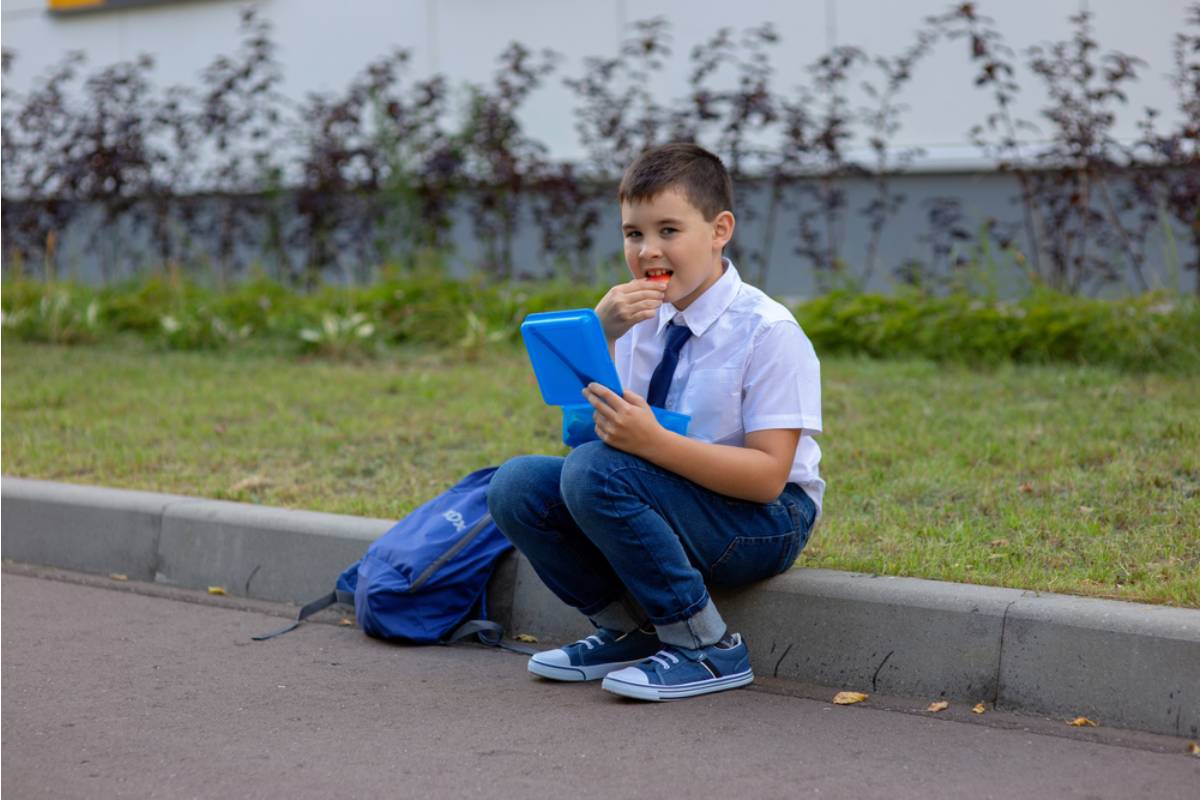
Mrs. Alvarez noticed the pattern during the first week of a new seating arrangement in the cafeteria. While the other children opened their lunch bags as soon as they sat down, Marcus placed his beside his knee and waited, watching everyone around him. He didn’t complain about being hungry, ask anyone for food, or even look particularly upset, which made his habit easy to overlook.
One afternoon, Mrs. Alvarez walked past his table and asked whether he needed help opening something. Marcus shook his head quickly and said, “I’m just not hungry yet,” before turning toward the child beside him. She continued supervising lunch, but something about the answer stayed with her because Marcus had been doing the same thing every day.
He Waited Until the Table Was Empty
The following day, Mrs. Alvarez watched more carefully. Marcus opened his milk after everyone else had started eating, but he kept his lunch bag zipped shut until the children around him had nearly finished their meals. When one boy packed his lunch away, Marcus waited another few minutes before finally reaching for the zipper.
Mrs. Alvarez approached him and asked whether his lunch was difficult to open. Marcus looked embarrassed and said no. Then he glanced toward the other tables and quietly added, “I just don’t like people looking.”
She sat beside him.
“Looking at what?”
His Answer Was Almost a Whisper
Marcus looked down at the table and said he didn’t want anyone seeing what his mother packed. Mrs. Alvarez asked whether someone had made fun of his lunch before, and Marcus nodded without looking up. He said it had happened several times, but he insisted it wasn’t a big deal.
Mrs. Alvarez asked him what people had said. Marcus hesitated before explaining that some students had called his lunches “weird” because they weren’t like the food most children brought from home.
Then he said something that made her chest tighten.
“I wait until they don’t care anymore.”
The Lunch Bag Stayed Closed
Mrs. Alvarez asked whether he wanted to eat somewhere else, but Marcus immediately said no. He didn’t want the other children thinking he was being treated differently, and he especially didn’t want anyone asking why a teacher was sitting with him.
She asked whether he was eating enough during the school day. Marcus shrugged and said he ate when he could, although sometimes he wasn’t hungry by the time he opened his lunch.
Mrs. Alvarez looked at the untouched food in front of him.
She realized this wasn’t simply about embarrassment.
The Cafeteria Monitor Had Noticed Too
Mrs. Alvarez spoke privately with Mr. Jenkins, the cafeteria monitor, after lunch. He told her he had noticed Marcus sitting with his lunch closed on several occasions, but he had assumed Marcus was saving something for later. When Mrs. Alvarez explained what Marcus had told her, Mr. Jenkins immediately looked concerned.
He remembered one incident involving a group of boys who had gathered around Marcus’s table and laughed at something inside his lunch container. He hadn’t heard exactly what they said, but he remembered Marcus closing the container and pushing it away.
“I thought they were just messing around,” Mr. Jenkins admitted.
Mrs. Alvarez knew that sentence was going to bother her for a long time.
Marcus Explained What They Had Seen
The next morning, Mrs. Alvarez asked Marcus if he felt comfortable explaining what had happened. He said his mother sometimes packed rice, beans, vegetables, eggs, or leftovers because that was what their family ate at home. Some days she packed food from the previous night’s dinner because she was working early and didn’t have time to prepare something separate.
Marcus said the other children sometimes asked what it was, but their questions didn’t always sound curious. He remembered one boy saying that his food smelled funny and another asking why he didn’t just bring “normal lunch.
Marcus had started eating only after those children finished.
His Mother Was Surprised
Mrs. Alvarez called Marcus’s mother, Elena, that evening. She expected Elena to know that Marcus was uncomfortable, but Elena sounded shocked when she heard what was happening.
Elena explained that she often packed food Marcus already liked because she didn’t want to waste groceries or send him to school hungry. She said she had noticed that he sometimes returned home with food left over, but Marcus always told her he wasn’t hungry.
Then Elena became quiet.
He never told me they were saying things.”
Elena Opened the Refrigerator
The next morning, Elena packed Marcus a lunch she thought he would feel comfortable eating in front of other children. She included a sandwich, fruit, and a small snack, then asked whether he wanted something else.
Marcus stood in the kitchen staring at the counter.
He finally said he didn’t want her changing his lunches because of what other kids thought. Elena asked why, and Marcus replied that he liked the food she usually packed.
“I just don’t like them looking at it,” he said.
Elena hugged him, but she could tell that solving the problem wasn’t as simple as changing what went into his lunch bag.
The Teacher Asked the Class a Different Question
Mrs. Alvarez decided not to identify Marcus when she addressed the class. Instead, she asked the students whether they thought everyone’s family ate the same foods at home.
Several children laughed and said no. One student mentioned that her grandmother cooked food she didn’t always like, while another said his family ate leftovers for lunch because his parents didn’t want food thrown away.
Mrs. Alvarez then asked whether it was acceptable to make fun of someone else’s food simply because it looked unfamiliar.
The room went quiet.
One Student Recognized Himself
A boy named Tyler raised his hand. Tyler was one of the students who had been sitting near Marcus during lunch, although Mrs. Alvarez hadn’t yet confirmed whether he had participated in the teasing.
He admitted that he had once asked Marcus what was inside his container and laughed when Marcus wouldn’t show him. Tyler said he hadn’t meant to make Marcus feel bad and thought he was joking.
Mrs. Alvarez didn’t embarrass him.
Instead, she asked, “What do you think a joke is supposed to do?”
Tyler looked at the floor.
“Make both people laugh.”
Marcus Heard the Conversation
Marcus didn’t know that Tyler had admitted what happened. When Mrs. Alvarez later told him that the class had discussed respecting different foods, Marcus looked relieved but also nervous.
He asked whether everyone knew it was about him.
Mrs. Alvarez told him she hadn’t mentioned his name.
Marcus nodded, then asked whether he could keep sitting at the same table.
She told him yes.
He looked relieved.
The Next Lunch Was Uncomfortable
The following day, Marcus sat down with his usual group and placed his lunch bag on the table. He kept his hand on the zipper for several seconds without opening it.
Tyler looked over.
Marcus froze.
Then Tyler said, “You can open it. Nobody’s going to make fun of it.”
Marcus looked at him suspiciously and asked, “How do you know?”
Tyler shrugged.
“Because Mrs. Alvarez made us talk about it.”
Marcus finally opened the bag.
Nobody Expected What Happened Next
Inside was a container of rice, chicken, and vegetables that Marcus had eaten many times at home. Tyler looked at it and asked what kind of seasoning was on the chicken.
Marcus hesitated.
Then he explained how his mother prepared it.
Another student asked whether it was spicy, and Marcus said it wasn’t. Soon two children were asking questions about the food, not because they wanted to make fun of him but because they were genuinely curious.
Marcus ate quietly at first.
Then he started talking.
Tyler Made an Unexpected Request
A few days later, Tyler approached Marcus before lunch and asked whether Marcus’s mother would ever make enough chicken for him to try. Marcus laughed and said he didn’t know.
Tyler immediately said he was joking, but Marcus told him he could ask his mom.
The two boys started laughing.
Mrs. Alvarez watched from across the cafeteria and realized something important had changed. Marcus wasn’t hiding his food anymore, and Tyler wasn’t treating him like someone whose lunch was strange.
They were simply two children talking about what they ate at home.
Elena Received a Different Call
Several weeks later, Mrs. Alvarez called Elena again. This time, she wasn’t calling because something was wrong.
She told Elena that Marcus had started eating at the same time as everyone else. He had also begun talking about his lunches with classmates and had even volunteered during a classroom discussion about family traditions.
Elena laughed with relief.
She said Marcus had recently asked her to pack the same chicken again because “people want to know what it tastes like.”
Mrs. Alvarez smiled.
Marcus Still Had One Rule
Despite everything improving, Marcus continued to keep his lunch bag closed until he was seated. Mrs. Alvarez noticed but didn’t pressure him to change the habit.
When she asked him about it one afternoon, he admitted that he still worried sometimes that someone might say something.
“But now I open it anyway,” he said.
Mrs. Alvarez asked why.
Marcus shrugged.
“Because it’s my lunch.”
That answer told her more than any dramatic speech could have.
The Class Started Sharing Food Stories
Mrs. Alvarez eventually created a classroom activity where students could write about a meal their family made often. Nobody was required to bring food, and nobody had to share anything they didn’t want to discuss.
The stories included spaghetti, tacos, soup, dumplings, sandwiches, rice dishes, casseroles, homemade bread, and foods the children couldn’t pronounce without asking their parents.
Marcus wrote about the chicken his mother packed for him.
At the bottom of his paper, he added one sentence.
“It tastes better when nobody is making you feel bad about it.”
The Cafeteria Became Less Complicated
The school also began reminding students that comments about another child’s food could become hurtful even when they were intended as jokes. Teachers were encouraged to watch for students who consistently avoided eating, threw food away, or waited until others finished.
Mrs. Alvarez didn’t know whether the policy would prevent every unkind comment. She knew children would still make mistakes, misunderstand each other, and sometimes say things without thinking.
But now adults were looking for the quiet signs.
Sometimes the child who appears uninterested in lunch is actually waiting for the room to feel safe.
Marcus Opened His Lunch First
Near the end of the school year, Mrs. Alvarez was walking through the cafeteria when she noticed Marcus sitting down at his usual table.
He placed his lunch bag in front of him.
Then, without waiting for anyone else, he opened it.
Tyler immediately asked what he had that day.
Marcus grinned and said, “Something you’re going to want the recipe for.”
The children laughed, and Marcus started eating.
Mrs. Alvarez kept walking.
She didn’t stop to congratulate him because she knew he didn’t need a teacher turning the moment into an announcement.
For the first time, he was simply eating lunch with his friends.
And nobody was watching what was inside because it had stopped being something he needed to hide.