Dad Says He Refused to Let His Mother-in-Law Tell His Kids Their Cousins Were “The Real Grandchildren” One More Time at Sunday Dinner

A family gathering that was supposed to be a simple Sunday dinner became the moment one father decided he could no longer stay quiet. For years, he watched his children absorb comments that made them feel like they were somehow less important than their cousins. What happened at the dinner table forced everyone to confront a painful family pattern that had been ignored for too long.
The Comment That Changed the Mood at Dinner
Jason Miller had always tried to keep family gatherings peaceful. He knew his mother-in-law, Linda, had strong opinions, but he usually ignored small remarks because he wanted his children to have a close relationship with their extended family.
That Sunday evening, the family gathered at Linda’s house for dinner. Jason’s children, Emma and Caleb, were sitting at the table with their cousins, laughing and talking about school. Everything seemed normal until Linda looked around the room and made a comment that immediately changed the atmosphere.
“You know, these kids are like my real grandchildren,” she said while smiling at Jason’s brother-in-law’s children. “They’re the ones who carry on the family traditions.”
Jason noticed Emma stop eating. Caleb looked down at his plate.
The words were not new, but this time, Jason saw exactly how much they hurt.
The Pattern Jason Had Tried to Ignore
For years, Jason had noticed Linda treated the cousins differently. She remembered every detail about their activities, displayed their pictures throughout her home, and often talked about their achievements.
With Emma and Caleb, things felt different. Linda was polite and caring, but there was always a distance that Jason could not explain.
At first, Jason told himself it was because the cousins lived closer. He thought maybe Linda simply spent more time with them because they visited more often.
But as the children got older, the difference became harder to overlook.
Emma Asked the Question Jason Feared
After dinner, Jason found Emma sitting quietly in the living room while the other kids played. She was normally energetic during family events, so he immediately knew something was wrong.
“Are you okay?” he asked.
Emma hesitated before answering. She asked, “Dad, does Grandma like them more than us?”
Jason felt his stomach drop. He had hoped his children had not noticed.
He told her that she and Caleb were loved, but he knew a simple answer would not erase years of feeling left out.
Caleb Shared What He Had Been Hearing
Later that night, Caleb admitted that he had noticed it too. He said he stopped showing Grandma his school projects because she rarely seemed interested.
“I used to tell her about my games,” he said. “But she always changes the subject to what my cousins are doing.”
Jason realized his children were not upset about gifts, attention, or being the favorite. They were hurt because they felt invisible.
That was the moment he decided something needed to change.
Jason Talked With His Wife First
Before confronting Linda, Jason spoke with his wife, Rachel. He wanted to make sure he was not reacting only from anger.
Rachel became quiet when he explained what Emma and Caleb had said. She admitted she had noticed the same behavior but avoided bringing it up because she did not want conflict with her mother.
“She’s always been like this,” Rachel said. “I thought ignoring it would keep things calm.”
Jason understood why she felt that way, but he also believed staying silent was allowing the problem to continue.
Their children were old enough to understand what was happening, and they deserved to know their parents would stand up for them.
The Conversation Linda Did Not Expect
The next weekend, Jason asked Linda if they could talk privately. He expected her to become defensive, and she did.
When he explained that her comments were hurting Emma and Caleb, Linda immediately dismissed the concern.
“I never said I don’t love them,” she replied.
Jason agreed that she had never said those exact words. But he explained that children pay attention to actions, not just statements.
He told her about Emma’s question and Caleb’s decision to stop sharing things with her.
For the first time, Linda looked genuinely surprised.
Linda Revealed Her Own Perspective
Linda explained that she never intended to make Jason’s children feel unwanted. She said she had always been closer to the cousins because she helped care for them when they were younger.
She admitted she might have become too comfortable talking about them because they were part of her daily life.
But Jason pointed out that the problem was not her relationship with the cousins. The problem was making other grandchildren feel like outsiders.
Linda struggled to accept that her words had created such a painful impression.
The Family Dinner Where Everything Came Out
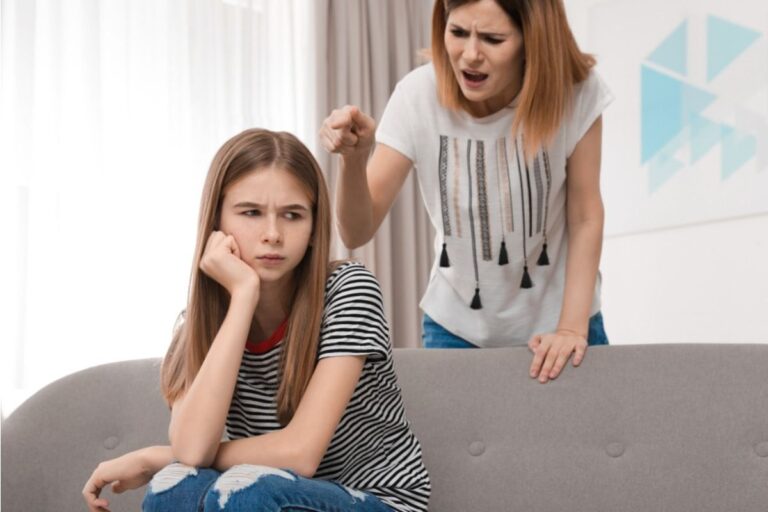
A few weeks later, the family gathered again for dinner. Jason did not plan to create a confrontation, but when Linda started praising the cousins while ignoring Emma and Caleb’s accomplishments, he decided he could not stay silent.
“Mom, I think we need to be careful about how we talk about the kids,” Rachel said.
The table became quiet.
Jason explained that he was not asking Linda to stop loving anyone. He was asking her to stop making some grandchildren feel like they had to compete for a place in the family.
The conversation was uncomfortable, but nobody walked away.
The Cousins Reacted Differently Than Expected
Jason expected the cousins to be upset because they had always received more attention. Instead, one of them surprised everyone.
Mason, the oldest cousin, admitted he had noticed the tension.
“I thought everyone knew Grandma was closer to us because we saw her more,” he said. “I didn’t realize it bothered them.”
The conversation showed that the children were not the source of the problem. They were all just experiencing the family dynamic from different sides.
Linda Started Making Small Changes
Linda did not completely change overnight. She was still the same person with the same personality and habits.
But she started making an effort. She called Emma to ask about her art projects and attended Caleb’s soccer game for the first time in months.
She also became more aware of how she spoke during family gatherings.
Instead of comparing grandchildren, she began celebrating each child individually.
The Children Slowly Rebuilt Their Trust
Emma and Caleb noticed the difference, but Jason knew trust would take time.
Children do not forget years of feeling overlooked just because adults apologize once.
Still, the small efforts mattered. Emma started showing Grandma her drawings again, and Caleb began talking about school projects.
The relationship was not perfect, but it was improving.
Jason Reflected on Why He Finally Spoke Up
Jason often wondered why he had tolerated the comments for so long. Part of him wanted to avoid creating tension in the family.
But he realized protecting peace was not the same as protecting his children.
A quiet family is not always a healthy family. Sometimes difficult conversations are necessary because avoiding them allows hurt feelings to grow.
He was glad he finally listened when his children showed him they needed support.
The Family Learned a Difficult Lesson
The situation changed the way everyone viewed family relationships. Linda learned that love has to be shown in ways children can actually feel.
Rachel learned that avoiding uncomfortable conversations does not always prevent pain.
Jason learned that standing up for his children did not mean attacking someone else.
The family still had disagreements, but they became more honest about them.
The Sunday Dinners Felt Different Afterward
Months later, Sunday dinners looked different. The conversations were more balanced, and every child had a chance to share what was happening in their lives.
Linda still had a special bond with her other grandchildren, and nobody expected that to disappear.
But Emma and Caleb no longer felt like they were standing outside the family circle.
Jason never wanted to take anyone’s place away. He only wanted his children to know they had one of their own.
The moment he finally spoke up did not break the family apart. It forced them to build a stronger one.