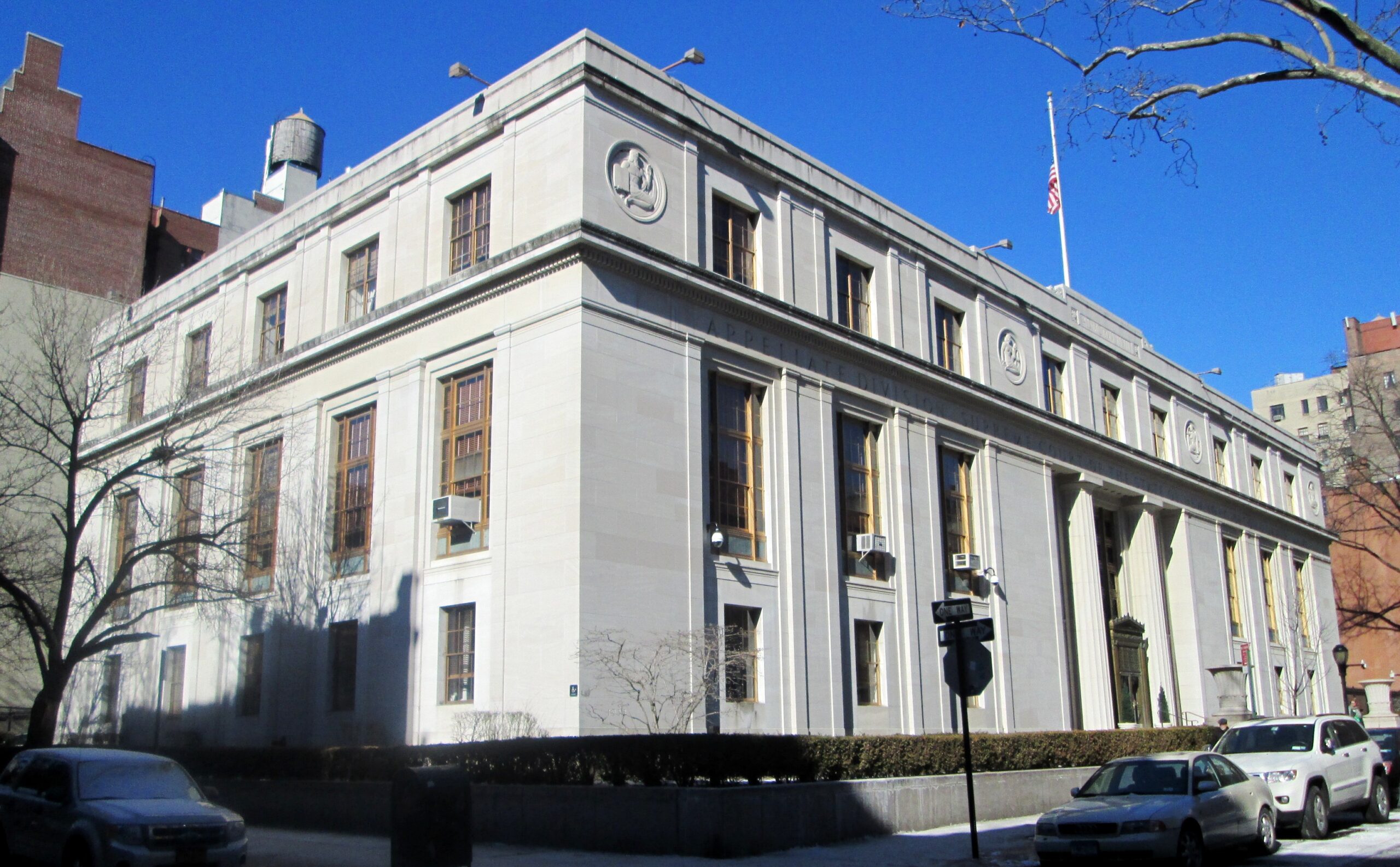
Erin Millender Gave Birth in September Using One of Two IVF Embryos She Made With Her Estranged Husband, and Now a Brooklyn Court Must Decide Whether She Can Use the Second

Erin Millender’s daughter was born in September, the result of one of two frozen embryos she created with her husband, Adam Rubin, before their marriage fell apart. Rubin did not want that embryo used, and he does not want the second one used either. After a New York appeals court threw out the ruling that had given Millender both embryos, the question of what happens to the one still in storage is back before a Brooklyn court, ABC News reported on Oct. 30.
Two Embryos and a Marriage That Ended
Millender and Rubin went through IVF while they were married and ended up with two healthy embryos, according to ABC News. Millender has said she learned Rubin wanted a divorce three years into their IVF journey. Rubin says that in June 2023 he told her to get divorce counsel and revoked his consent to use the embryos.
The couple had signed paperwork with the NYU Langone Fertility Center along the way. A 2021 contract said the embryos would be donated to research if the couple divorced or legally separated, ABC reported. A 2023 contract instead said the embryos would go to “the partner stipulated in the divorce or dissolution settlement or other binding agreement.”
Millender has said doctors told her the embryos were her only realistic chance of becoming a biological mother. Speaking to ABC, she said she had always intended to give both embryos “a chance at life.”
Justice Theresa Ciccotto’s Ruling and the Baby Girl
In a Dec. 16, 2025, order, Justice Theresa M. Ciccotto of the state Supreme Court in Kings County, which covers Brooklyn, denied Rubin’s motion and granted Millender exclusive possession and use of the embryos, according to the appellate decision that later reviewed it.
Rubin appealed. Millender’s appellate lawyers, at the firm Gildin and Chapman, said in a June 1 release that she had gone ahead with an embryo transfer after the ruling and was pregnant. The release framed the case as one about IVF agreements and fertility-clinic forms, not about making Rubin a legal parent. “This case is not about forcing someone into fatherhood,” attorney Steven Gildin said in the statement.
Rubin told ABC his heart sank when the original ruling came down. His position is that the remaining embryo should be donated to science. His attorney, Morgan Mazor, argued that the law in New York is clear that the contract controls, and warned that giving embryos special treatment could affect abortion rights in the state.
Millender gave birth to a baby girl in September, ABC reported. The network did not publish the baby’s name.
What the Appellate Division Decided on Oct. 7
On Oct. 7, a four-justice panel of the Appellate Division, Second Department, ruled 3-1 that neither side had proven its case well enough to win without a trial. The majority modified the Brooklyn order, denying Millender’s request for exclusive possession and use of the embryos while leaving Rubin’s motion denied as well.
The court record laid out the couple’s IVF history in more detail than the contracts alone. One viable embryo came from an October 2021 cycle and two from a November 2021 cycle. One frozen embryo was thawed and transferred in December 2022 without a pregnancy, and a March 2023 cycle apparently produced no viable embryos. Neither side showed which cycle the two disputed embryos came from, and neither submitted the agreement covering the November 2021 cycle.
The majority found that the March 2023 agreement both sides relied on covered embryos from that cycle, not ones already frozen. The court wrote that, on the record before it, it had to decline the parties’ “invitation to award judgment as a matter of law,” according to a summary by the New York Appellate Digest.
Justice Barry Warhit dissented. He wrote that the 2021 and 2023 agreements were materially the same, that Rubin withdrew his consent before the divorce case began, and that the embryos therefore cannot be used. He would have granted Rubin’s motion and required both spouses’ written consent for any use.
A 1998 Precedent Hangs Over the Second Embryo
Both sides are arguing in the shadow of Kass v. Kass, the 1998 decision in which New York’s highest court held that agreements between divorcing spouses about their frozen embryos should generally be presumed valid and enforced. In that case, the Court of Appeals enforced consent forms that called for donating the embryos to research, over the objection of the wife who wanted to try for a pregnancy.
That is why the paperwork matters so much here. The appellate majority said the parties never established which agreement governs the remaining embryo, so the Brooklyn court will have to sort out the facts first. Their divorce is still ongoing, according to ABC News, and no new hearing date has been made public.
Disputes over embryos and IVF errors have reached courtrooms elsewhere as well, including a case in which couples said a fertility doctor moved their embryos 160 miles without permission.
One Daughter Here, One Embryo Still Frozen
For Millender, the second embryo represents a possible sibling for the daughter she already has. For Rubin, it represents a parenthood he says he withdrew from in 2023. The appellate ruling did not decide which of those views wins. It said only that the record so far cannot answer the question.
Other families who turned to IVF have faced very different turning points, from a mother who transferred her last IVF embryo hoping for one more baby to a Gwinnett County teacher who became a mom at 41 after several egg retrievals. In Millender’s case, the next turn depends on a Brooklyn judge reading contracts signed years ago.
Get stories like this by email. Sign up for The Parent Diaries Letter.
This article was produced with AI assistance and edited for accuracy against the sources linked above.
Image: Beyond My Ken – CC BY-SA 4.0/Wikimedia Commons