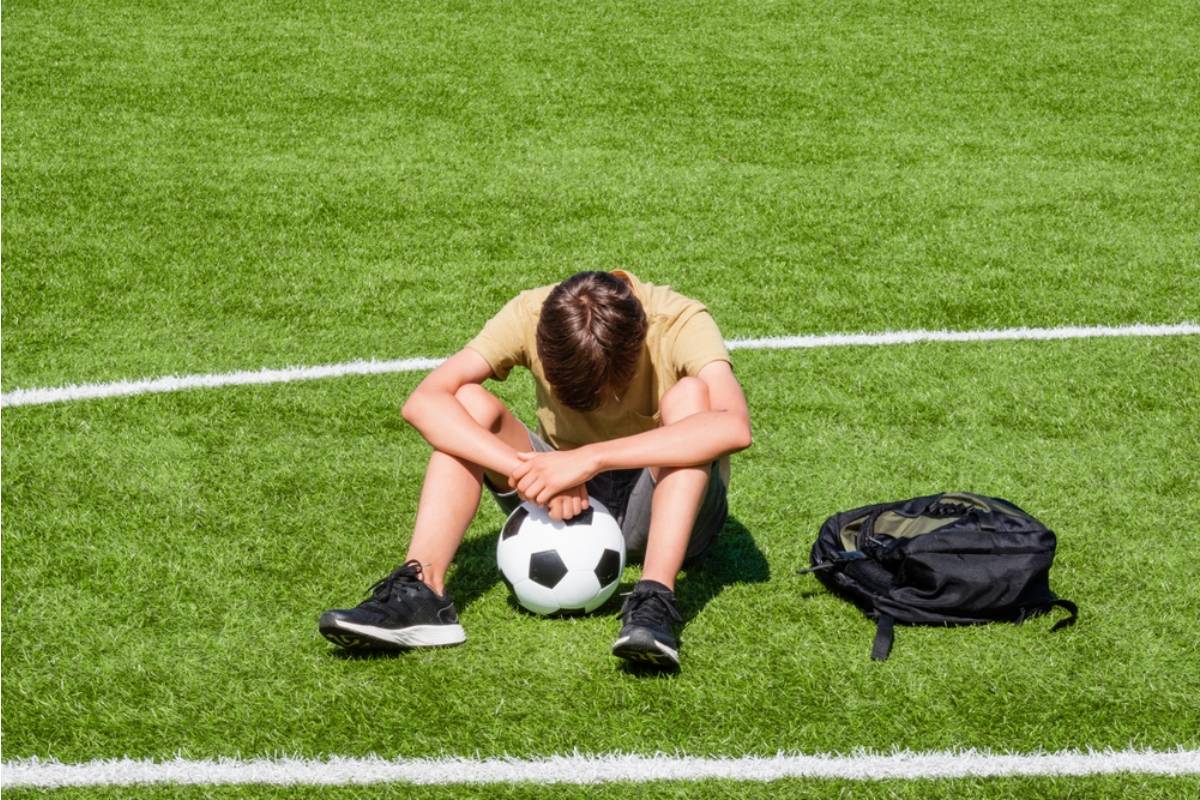
A Mom Says Her Son’s Coach Required the Team to Watch Game Film of Their Own Losses on Repeat as “Motivation,” and Her Son Stopped Wanting to Play

My son had loved basketball for as long as I could remember. He counted down the days until each practice, carried a ball everywhere we went, and talked about his teammates constantly. I never expected one coaching strategy to slowly take that excitement away until he questioned whether he wanted to play the game at all.
The Season Began With High Expectations
When the season started, the team looked stronger than it had the previous year. Most of the players had stayed together, and they were excited to build on everything they had learned. Their coach, Coach Reynolds, had a reputation for being disciplined and demanding, but parents appreciated that he expected players to work hard and stay accountable.
My son, Mason, admired him. He came home after the first few practices talking about new drills, defensive strategies, and how much faster everyone seemed to be improving. He even practiced free throws in the driveway after finishing his homework. It felt like the season was heading in exactly the right direction.
The First Tough Loss Changed the Mood
Everything shifted after the team’s first close loss. The players walked off the court disappointed but determined to improve. I assumed the coach would focus on corrections and prepare them for the next opponent. Instead, Mason came home unusually quiet.
During dinner, he mentioned that practice had started with everyone watching video of the game they had just lost. Coach Reynolds paused every mistake and asked players to explain what they had done wrong. Mason said it was uncomfortable, but he figured it was just part of learning.
Watching the Same Mistakes Again
The following week, the team lost another game. Once again, practice opened with video review. This time, Coach Reynolds replayed the same missed rebounds, turnovers, and defensive breakdowns several times before moving on to drills.
Mason told me they barely watched any successful plays. Every mistake was discussed repeatedly until the players stopped speaking altogether. He joked that he could probably recite every bad possession from memory. I laughed with him, but something about the story bothered me.
Practice Started Feeling Different
As the season continued, the routine never changed. Every loss meant another film session focused almost entirely on errors. Players sat silently while clips repeated on the screen, sometimes hearing the same criticism more than once.
Mason stopped talking excitedly about practice. Instead of discussing new skills, he talked about mistakes he hoped would not appear in the next video session. I noticed he became nervous before games instead of energized. Confidence was slowly being replaced by fear.
Small Mistakes Became Bigger Fears
One evening after a game, Mason missed an open shot during the final minutes. It was disappointing, but his teammates immediately encouraged him, and nobody blamed him for the loss. I assumed he would move on.
Instead, he spent the drive home staring out the window.
Finally he said, “Tomorrow I’m going to have to watch that shot over and over.”
That sentence stayed with me much longer than the missed basket itself.
Parents Started Comparing Notes
After another weekend tournament, several parents gathered near the parking lot while the players packed up their equipment. Without anyone bringing it up directly, the conversation naturally turned toward the film sessions.
One father admitted his son had started having trouble sleeping before games. Another parent said her daughter became afraid to try difficult passes because she worried mistakes would be replayed in front of everyone. We all realized our children were describing remarkably similar experiences.
The Joy Began to Disappear
The biggest change happened at home. Mason stopped asking me to rebound while he practiced in the driveway. His basketball sat untouched near the garage for several days.
One Saturday morning, I suggested we go shoot around at the local park.
He quietly replied, “Not today.”
That answer shocked me because I had never heard him turn down an opportunity to play basketball before.
A Conversation That Broke My Heart
A few nights later, I found Mason sitting alone in the backyard. I asked whether something was bothering him. He hesitated before admitting he no longer looked forward to games.
I don’t even think about winning anymore,” he said.
“I just keep thinking about what mistakes they’re going to replay if we lose.”
Hearing those words made me realize this was no longer about sports. It was affecting how he viewed himself.
Speaking With the Coach
I requested a meeting with Coach Reynolds after practice. I explained that I respected the effort he put into teaching the team and understood the value of reviewing game film. My concern was not the videos themselves but the way they focused almost entirely on failures.
Coach Reynolds listened patiently before explaining his philosophy. He believed discomfort created stronger athletes. In his view, repeatedly seeing mistakes forced players to remember them and avoid repeating them. He insisted the approach had worked for previous teams.
Another Parent Shared an Important Observation
A week later, another mother called me after speaking with her own son. She told me something that changed my perspective.
Her son had started editing together short highlight videos of his own games because he wanted to remind himself that he actually played well sometimes. He said the team meetings made him forget the good moments completely.
That simple detail showed how deeply the atmosphere had affected the players. They were searching for confidence outside the gym because they were no longer finding it during practice.
The Athletic Director Became Involved
Several parents eventually requested a meeting with the school’s athletic director. We were careful not to demand that Coach Reynolds be disciplined or removed. Instead, we wanted to discuss whether the coaching methods were supporting the players’ development.
The athletic director listened carefully and asked thoughtful questions. He explained that reviewing mistakes was common in sports, but he also emphasized that effective coaching usually balanced corrections with examples of improvement. He promised to observe several practices before making any recommendations.
A Different Kind of Film Session
A few weeks later, something unexpected happened. Mason came home smiling for the first time in a long while.
He told me Coach Reynolds had started the film session by showing hustle plays, smart passes, and defensive stops before discussing mistakes. Players were asked to explain what they had done well and how they could repeat those moments.
The atmosphere felt completely different.
“They actually clapped for each other,” Mason said.
Confidence Slowly Returned
The changes did not erase every problem overnight, but they made a noticeable difference. Practices became more energetic, and players started taking chances again instead of playing with constant fear of making errors.
Mason asked me to go to the park one evening so we could practice jump shots together.
As we walked toward the court, he smiled and said, “I missed a few today, but I made some really good ones too.”
That was the first time in months he had spoken about basketball with genuine excitement.
The Lesson Our Family Took Away
Looking back, I understand why coaches review difficult games. Athletes grow by learning from mistakes, and honest feedback is essential in any sport. But children also need reminders that improvement comes from recognizing progress as much as correcting flaws.
Mason finished the season with a deeper understanding of teamwork, resilience, and confidence. Coach Reynolds also seemed to grow from the experience by adjusting his approach without abandoning high expectations. Sometimes the most effective motivation is not reminding young athletes where they failed. It is helping them remember why they fell in love with the game in the first place and giving them the confidence to keep playing with joy instead of fear.