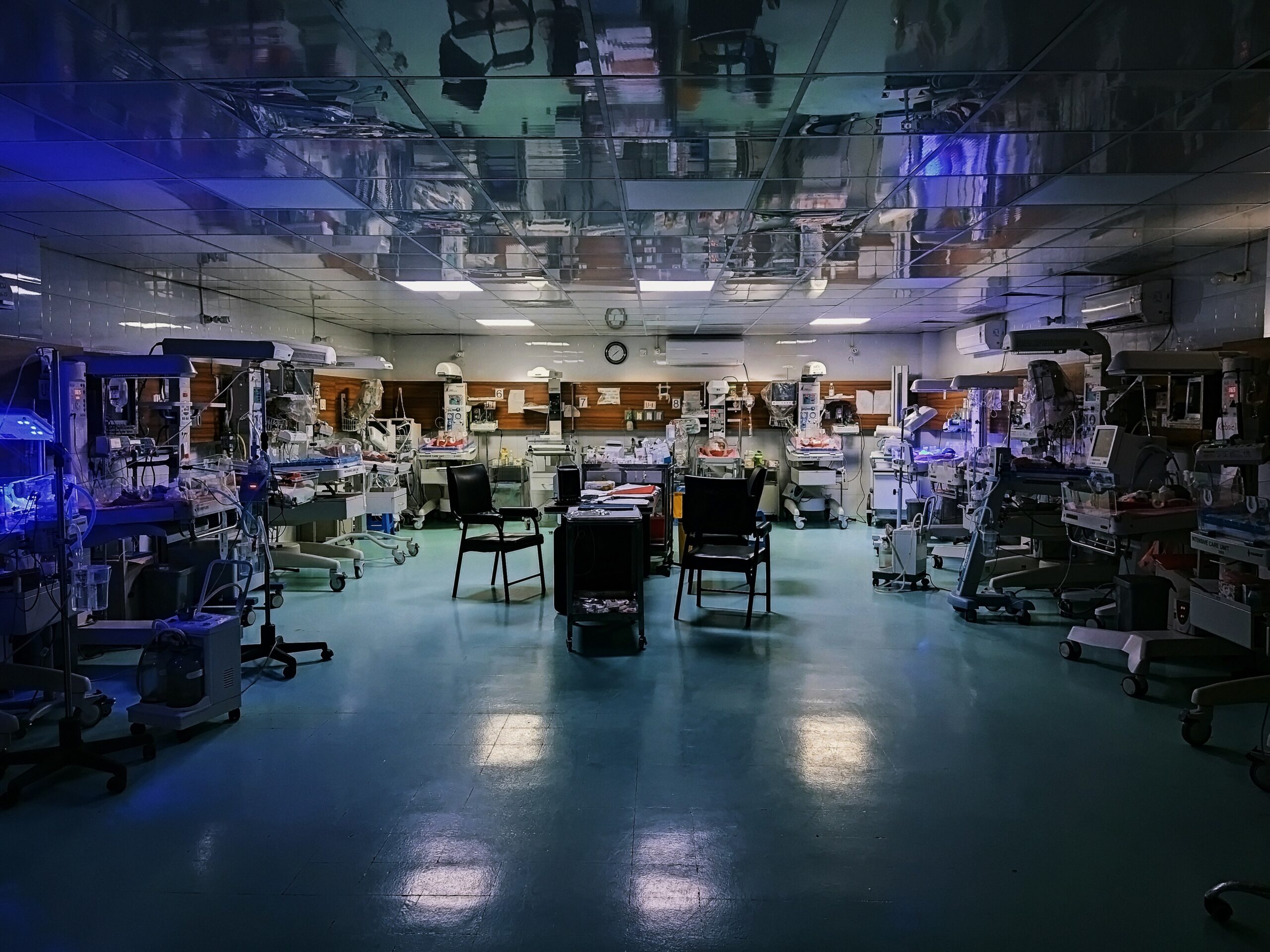
Erin Thorpe Has Been Away From Her Five Kids for 65 Days While Her Sixth, Aubree, Born at 30 Weeks, Grows in the NICU. Now a Cot Camera Lets Her Watch.

Erin Thorpe has found a small ritual that gets her through each day apart from her newborn daughter, Aubree. She logs onto her phone, sees her baby on a live camera, and it’s fine, she told Region Canberra in a story published Nov. 22. The camera is new, and for a mother of six living away from home, it has changed her days.
Aubree, Erin’s sixth child, was born at 30 weeks and five days and is being cared for at Canberra Hospital in Australia. Erin, from Goulburn, has been away from home for more than 65 days while her five other children wait for her there.
Sixty-five days between two homes
Erin’s time away began before Aubree was even born. She spent four weeks in Canberra Hospital’s antenatal ward before the birth, according to Region Canberra, and has stayed at Ronald McDonald House since.
Goulburn is a regional town in New South Wales, and Erin’s five other children are there while she stays near the hospital. Region Canberra did not give the children’s ages. For a mother of six, that split means every hour at the bedside is an hour away from the rest of the family, and every trip home is an hour away from the NICU.
Places like Ronald McDonald House ACT & South East NSW exist for exactly that bind. The charity offers families private bedrooms, meals and a place to rest so they can stay close to a child in the hospital, and it runs a Family Room at Canberra’s Centenary Hospital for Women & Children.
Aubree was born very preterm. The March of Dimes defines a preterm baby as one born before 37 weeks and uses “very preterm” for babies born before 32 weeks. Many need weeks or months in the newborn intensive care unit to learn to breathe on their own, feed by mouth, stay warm and gain weight before they can go home.
The March of Dimes says babies usually go home once they weigh at least 4 pounds, can stay warm without an incubator, feed well, gain weight steadily and breathe on their own. Region Canberra did not report Aubree’s weight or a date for her to leave the hospital, so for now the wait goes on.
A camera at all 39 cots
The change in Erin’s days came from a camera. Canberra Hospital has installed AngelEye, a live-streaming system, across all 39 beds in its Neonatal Intensive Care Unit and Special Care Nursery, Region Canberra reported. Parents get their own secure logins and can watch their baby from wherever they are.
The feed is video only, with no sound. Using it is voluntary, it is not used for clinical monitoring, and it is switched off during medical procedures, according to the report.
AngelEye Health, the company behind the system, says more than 450 hospitals around the world partner with it. Its CameraSystem streams one-way bedside video that isn’t stored, and staff can switch the camera to a privacy image when the baby is out of bed or receiving care. The company says care teams can also send families messages, photos and videos, and that access can be shared with partners, grandparents and siblings.
That last detail matters for a family split in two. Region Canberra did not say whether Erin’s other children watch their baby sister on the feed, but a system built for families who can’t be at the bedside fits a mother with five kids at home almost exactly.
The $117,600 installation in Canberra was paid for by the Newborn Intensive Care Foundation. Its chief executive, Peter Cursley, told Region Canberra the foundation has raised more than $1 million over more than 30 years.
What the doctors and officials said
Dr. Hazel Carlisle, a senior neonatologist and the clinical lead on the AngelEye project, was clear that the cameras are not meant to replace parents.
“There’s no substitute for parents being present, so it’s an added extra to assist with the care,” she told Region Canberra.
Privacy was a big part of the rollout. Monica Reeson, an executive branch manager at Digital Canberra, explained the secure-login safeguards that keep each family’s feed limited to that family, the outlet reported. ACT Health Minister Marisa Paterson said the cameras give families flexibility and reassurance.
For a mother like Erin, those are not abstract words. Flexibility means being able to see Aubree when she can’t be at the cot. Reassurance means seeing for herself that her daughter is fine.
“Starting to see the light”
NICU stays have a way of stretching families thin, and parents find their own ways through. One mom, Katy Sherman, got through her son Leo’s 55 days in the NICU by laughing. Others lean on nurses, volunteers and the families in the next room, like the babies cuddled by NICU volunteer Terry Berggren in Kansas.
For Erin, the camera has become part of the answer. Each time she logs on, she can check on Aubree in seconds, even when she is away from the cot.
After more than 65 days away, she sounds like someone who can finally see an end to it.
She told Region Canberra she is hoping she is through the thick of it, and that she is starting to see the light.
Get stories like this by email. Sign up for The Parent Diaries Letter.
This article was produced with AI assistance and edited for accuracy against the sources linked above.