Alysha MacDougall Started a GLP-1 in August 2025. She Didn’t Know She Was Pregnant Until a Car Accident Sent Her Into Labor With Julian at About 23 Weeks.

Alysha MacDougall had polycystic ovary syndrome and never thought she could get pregnant on her own. In August 2025, she started a GLP-1 medication as part of an effort to get healthier. A few months later, a car accident sent her into early labor, and that is how she learned she was pregnant. Her son, Julian, was born at about 23 weeks.
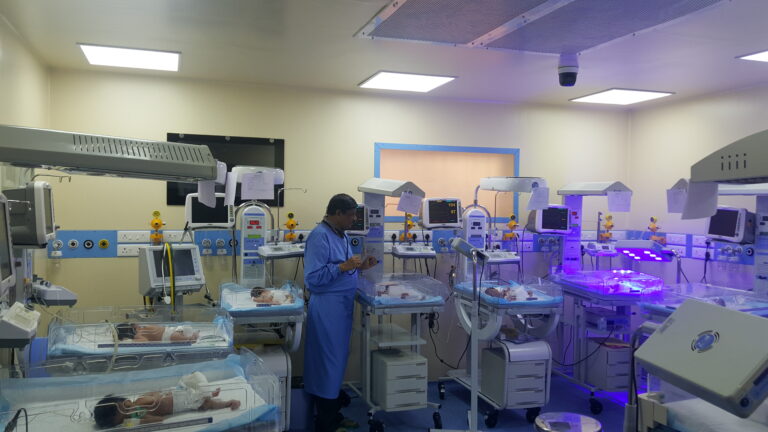
The Massachusetts mom shared her story with Boston 25 News, in a report published Nov. 18 and carried by Yahoo. Julian spent 154 days in the NICU at Tufts Medical Center.
A Plan to Have Kids by 35
MacDougall began focusing on her health and weight at 33. She told Boston 25 she wanted to have children by 35, but with PCOS she had never believed a natural pregnancy was likely.
PCOS is common. The federal Office on Women’s Health at womenshealth.gov says it affects about 1 in 10 women of childbearing age and is one of the most common causes of infertility. The hormonal imbalance can interfere with the growth and release of eggs, and without ovulation, pregnancy is not possible.
The same federal page notes that losing even 10% of body weight can make the menstrual cycle more regular and improve the chances of getting pregnant.
A Car Crash, Then Labor
In January 2026, a car accident brought on early labor. MacDougall told Boston 25 she found out she was pregnant when she had Julian.
He arrived at about 23 weeks. The Centers for Disease Control and Prevention defines preterm birth as any birth before 37 completed weeks, and says about 1 in 10 American babies were born preterm in 2022. Julian came roughly 14 weeks before that line.
March of Dimes classifies babies born at or before 25 weeks as extremely preterm. The earlier a baby is born, it says, the more likely he is to face problems with breathing, infection, bleeding in the brain, the heart, the intestines and the eyes. Babies typically stay in the NICU until they can breathe on their own, keep warm, feed and gain weight steadily.
154 Days in the NICU
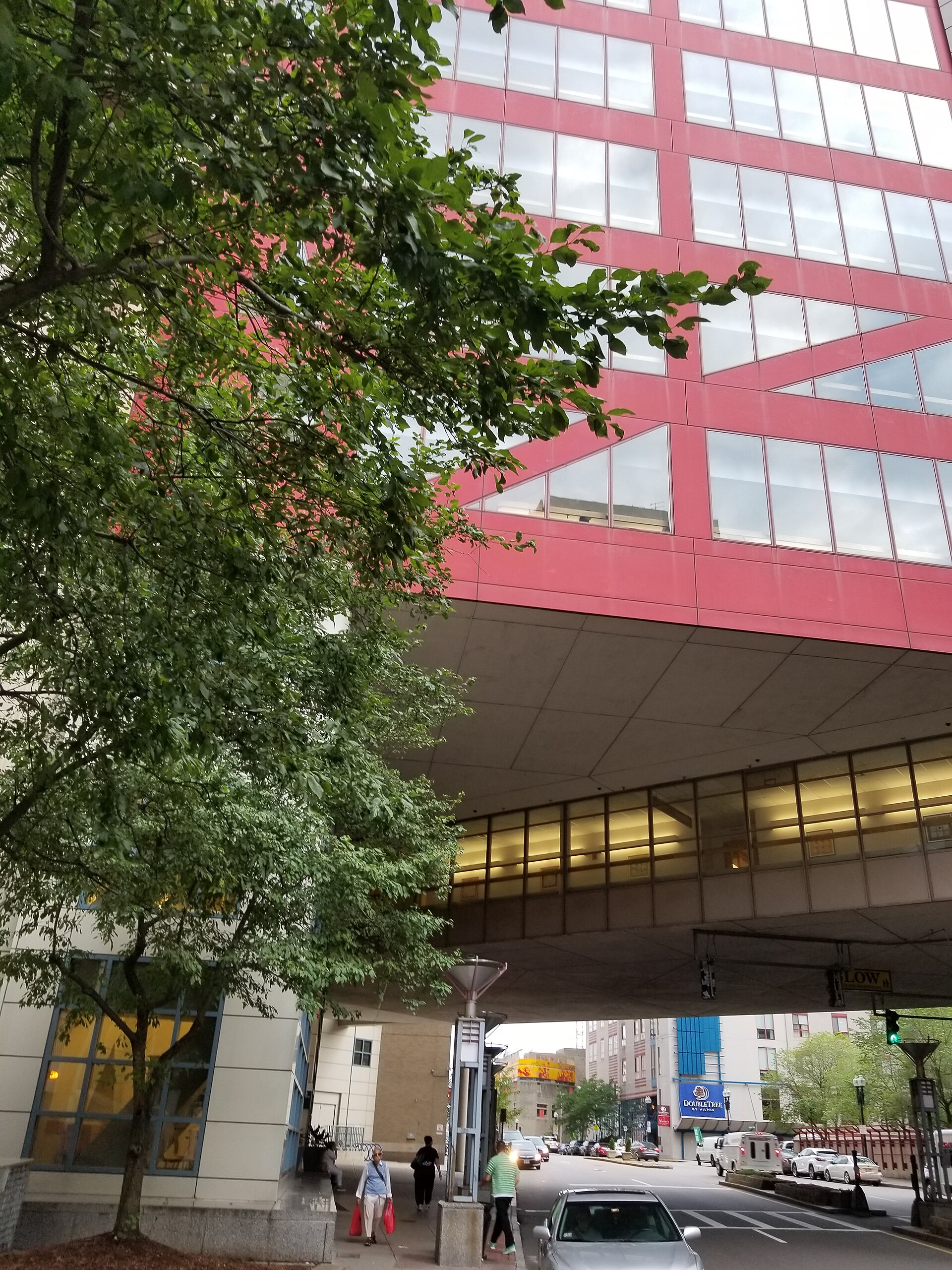
Julian stayed in the NICU at Tufts Medical Center for 154 days, about five months. Tufts Medical Center is part of Tufts Medicine, the primary health system of Tufts University School of Medicine.
“He’s a blessing,” MacDougall told Boston 25.
What Doctors Say About Weight Loss and Fertility
Dr. Caroline Apovian, an obesity specialist interviewed by Boston 25, said weight loss can have a big effect on fertility, and that the more weight a woman loses, the more fertile she can become.
She added that even modest weight loss can make a difference, telling the station that a 20-pound loss can change fertility more than many people realize.
That has a practical side for women using these drugs. New guidance from the American College of Obstetricians and Gynecologists, cited in the Boston 25 report, says patients should stop GLP-1 medications one to two months before trying to conceive and should avoid them during pregnancy.
Boston 25 did not name the specific GLP-1 drug MacDougall used, and the report does not say whether she was still taking it when she conceived.
Parent Diaries has written about other surprise pregnancies and very early arrivals, including Stella Olayioye, whose doctor found a fourth baby during her C-section.
A Surprise That Changed Her Plans
MacDougall had set a goal of becoming a mother by 35. Julian arrived ahead of that schedule, months before his due date, after a pregnancy she did not know about until the day he was born.
Get stories like this by email. Sign up for The Parent Diaries Letter.
This article was produced with AI assistance and edited for accuracy against the sources linked above.
Image: Swampyank – CC BY-SA 4.0/Wikimedia Commons