Hadley Smock, 6, Was Hospitalized Six Times for Severe Asthma Before UnitedHealthcare Approved the Medicine It Had Denied Three Times

Six hospital stays, two of them in intensive care, fill the medical history of Hadley Smock, a 6-year-old Kansas girl with severe asthma. Her family says UnitedHealthcare denied a medicine her doctor wanted her to take three times, and the insurer accepted the claim on Oct. 23, 2026, according to KMBC 9 News in Kansas City.
The station’s investigative reporter, Matt Flener, published the family’s account on Nov. 6, 2026. The article does not name the medication or the hospital where Hadley is treated, but it lays out how the denials were worded and what changed before the approval.
Six hospital stays, two in intensive care
Hadley’s mother, Charlie, told KMBC that her daughter has had several serious respiratory emergencies in recent months, on top of the six hospitalizations. Two of those stays were in the intensive care unit.
Charlie told the station that watching her daughter go through those episodes is hard, and that it is harder still to try to explain them to a doctor and an insurance company while a child is struggling to breathe.
Asthma is common enough that the National Heart, Lung, and Blood Institute says it affects 1 in 13 Americans and often begins in childhood. The NHLBI says there is no cure, but treatment and an asthma action plan can help people manage the condition by monitoring symptoms, avoiding triggers and taking medicines.
MedlinePlus calls asthma a leading cause of missed school days and hospital visits for children. For many families, that means inhalers, a daily routine and an occasional urgent visit. Hadley’s case stands out in KMBC’s report because of how often her asthma has sent her to the hospital, including twice to intensive care.
What a severe asthma flare does inside a child’s lungs
The Centers for Disease Control and Prevention describes asthma as a disease that affects the lungs, and notes that it is one of the most common long-term diseases of children. During an attack, the airways swell and narrow, so less air moves in and out, and mucus can clog them.
MedlinePlus, the National Library of Medicine’s health site, lists the signs in children with asthma: shortness of breath, trouble breathing out, fast breathing, wheezing, chest tightness and a cough that may wake a child at night. It says severe attacks may require hospital care with oxygen and IV medicines, and that bluish lips or face, a rapid pulse, sweating or severe drowsiness are reasons to seek medical help right away.
The same page says controller medicines are taken daily to prevent symptoms, even when a child feels well. The options include inhaled steroids, usually the first choice, long-acting bronchodilators combined with inhaled steroids, leukotriene inhibitors and cromolyn sodium. The CDC says controller medicines help people have fewer and milder asthma attacks.
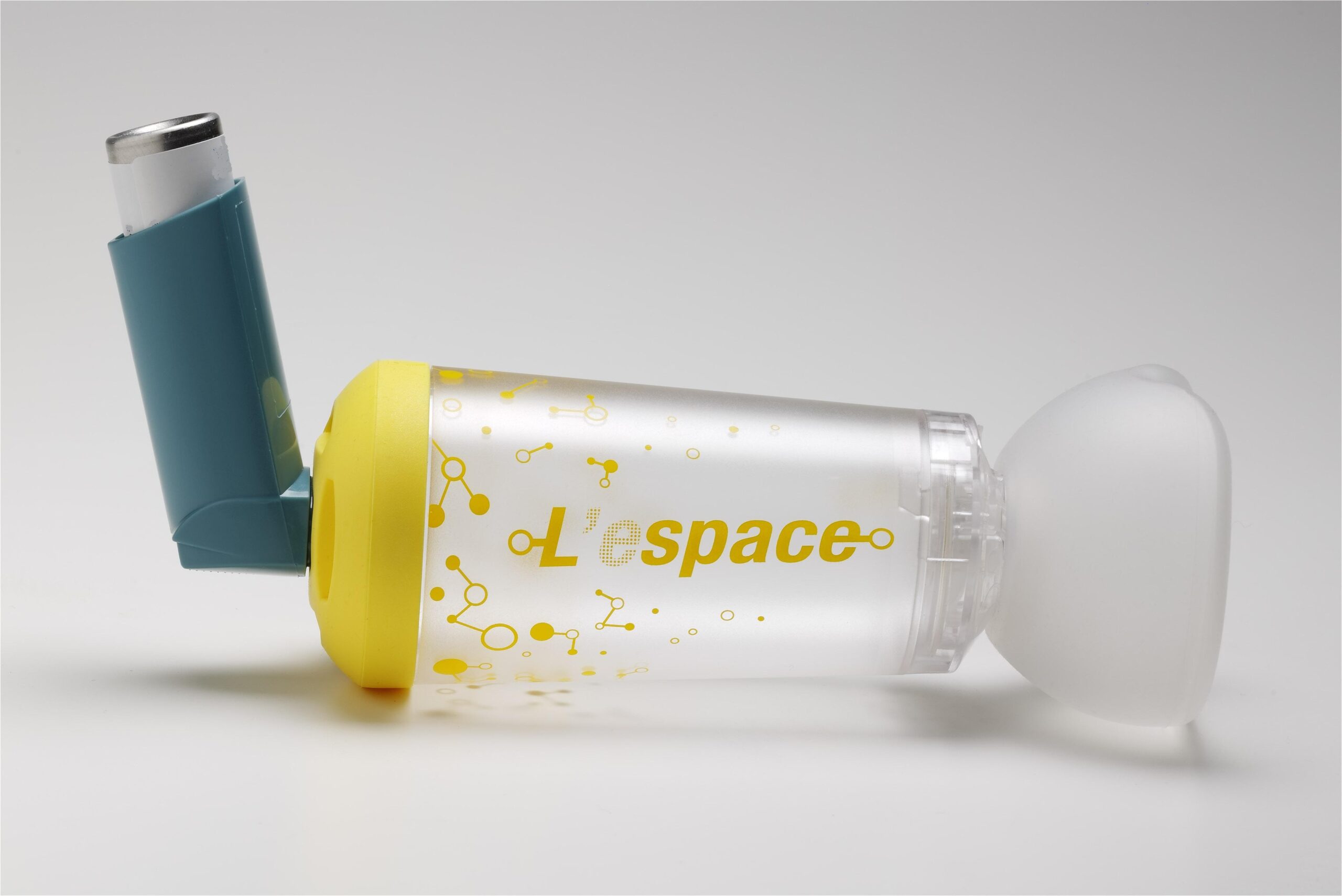
Quick-relief medicines are a separate category. MedlinePlus says they act fast to ease coughing, wheezing or an attack, that inhalers work best with a spacer, and that nebulizers are an option for younger children. The CDC adds that people should ask a doctor about the side effects of controller medicines, which are usually mild and short-lived.
Three denials and a 90-day trial
The Smock family received three denials from UnitedHealthcare for the medicine Hadley needed, KMBC reported. One denial came from a UnitedHealthcare pediatric doctor and said the “child must have failed a third long-term controller drug.”
Hadley’s own physician disagreed. According to KMBC, the doctor argued that a 90-day trial of another drug was not medically appropriate for a child with such severe asthma, who also has trouble with lung-function testing. The article does not use the terms prior authorization or step therapy, but the denial’s wording describes a requirement that one medicine be tried before another is covered.
After the third denial, the family contacted KMBC 9 Investigates for help. The Smocks told the station that they began hearing from UnitedHealthcare after KMBC reached out. The station’s article does not say what the insurer’s review looked at beyond the new clinical information, and it does not describe the medicine’s cost. Hadley’s mother, Charlie, is identified in the article by first name only.
The approval on Oct. 23
UnitedHealthcare accepted the claim on Oct. 23, 2026, KMBC reported, after new clinical information was submitted and reviewed. The insurer told the station that it was “sorry for the challenges” the family had experienced, and that a care manager is working with the family and Hadley’s care team.
Research from the CDC points the same direction on cost. Its AsthmaStats page on insurance coverage, which draws on the Asthma Call-back Survey from 2006 to 2010, says that “insurance coverage reduces, but does not eliminate, cost barriers for asthma care.” Children and adults both report difficulty affording asthma medication and seeing a primary care doctor or asthma specialist, the CDC says, and the page notes that cost barriers are lowest for people with full-year coverage.
How the community is rallying around Hadley
The family is holding community fundraisers under the name “Brave Like Hadley,” KMBC reported. The station did not say how much has been raised or what the money will cover.
For families dealing with asthma, MedlinePlus advises building a written asthma action plan with a child’s provider that covers trigger avoidance, symptom monitoring, peak flow checks and medicines, and giving schools a copy. It also says to contact the provider after an emergency room visit, when peak flow readings keep dropping, or when symptoms become more frequent or severe despite the plan.
Get stories like this by email. Sign up for The Parent Diaries Letter.
This article was produced with AI assistance and edited for accuracy against the sources linked above.
Image: Wikimedia Commons – CC BY-SA 3.0/Wikimedia Commons