Andria Pitterson-Powell’s Autistic Son Jasen, 17, Walked Out of His Florida High School Unnoticed. She Got the Call About an Hour Later, and He Was Found 2 Miles Away.

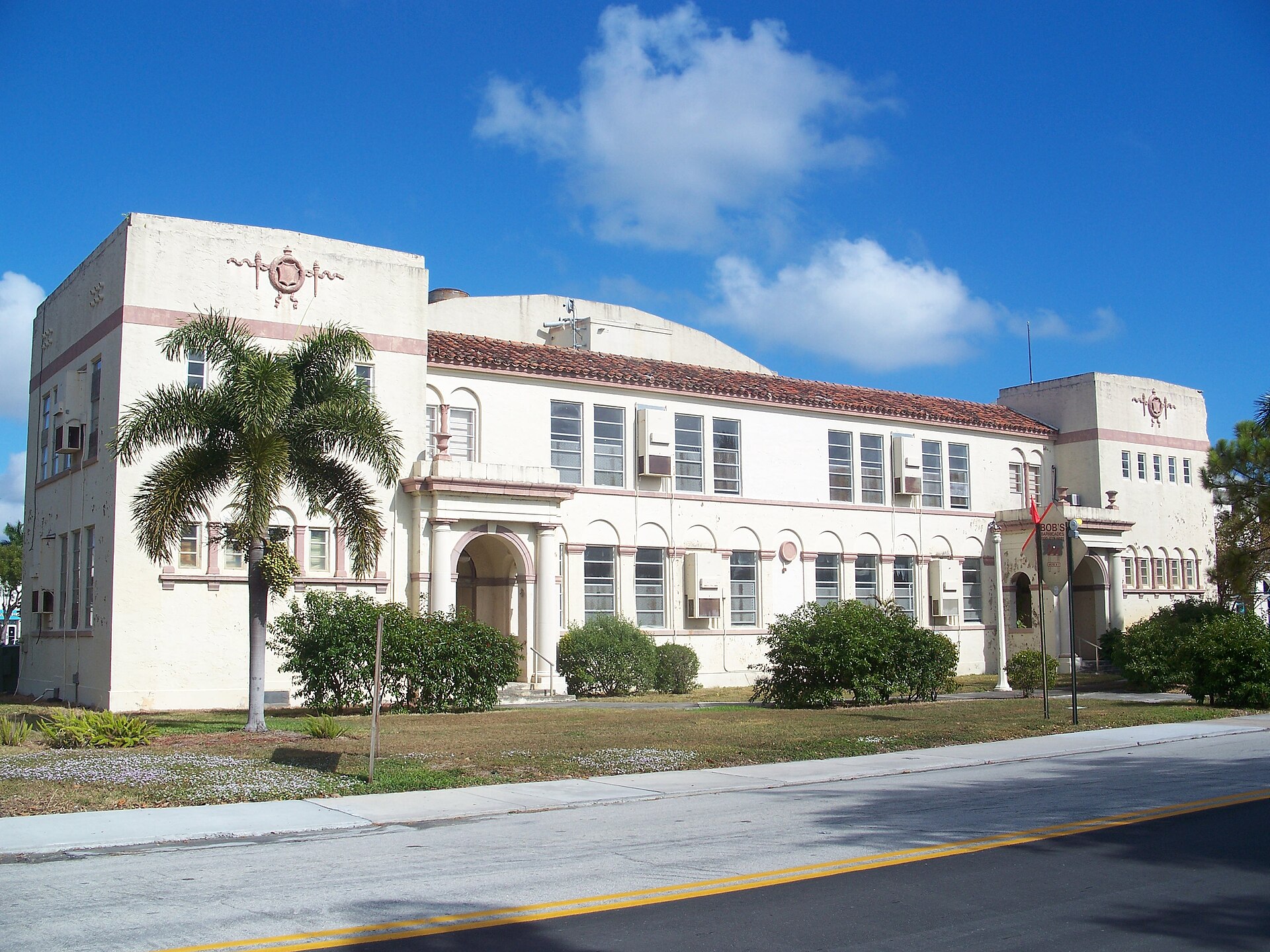
Surveillance video at Park Vista Community High School in Palm Beach County, Florida, last showed 17-year-old Jasen Powell at 9:18 a.m. on Nov. 13, according to his mother, Andria Pitterson-Powell. She says the school did not reach her until 10:16 a.m., about an hour later. Jasen, a student in the district’s autism program, was found walking alone along Jog Road, roughly two miles from campus, as CBS12 reported on Nov. 19.
The Hour Between 9:18 and 10:16
The timeline comes from Pitterson-Powell, who relayed it from school officials. Jasen was last seen on camera at 9:18 a.m. A Code Yellow was started at about 9:45 a.m. Her phone call from the school came at 10:16 a.m.
School staff told her they could not locate her son, and she left home immediately to look for him. She found him minutes later, walking by himself on Jog Road. The school itself sits at 7900 Jog Rd. in Lake Worth, according to its website, so he was still on the same road, about two miles away. The CBS12 report does not describe any injury.
School officials told her their surveillance cameras did not show Jasen leaving. They believe he walked off campus through an open bus gate. CBS12 noted that it had no independent confirmation of either the timeline or the bus gate explanation, so both rest on what the family and the school have said so far.
A Senior in the Autism Program Who Needs Support All Day
Jasen is a senior in the School District of Palm Beach County’s autism program. He receives support services throughout the school day, and his mother says he functions at an elementary-school level. That detail is central to her concern, because a student who needs that level of support is not one she expected to be able to leave a building without anyone noticing.
Pitterson-Powell recorded her conversations with school officials and with police. In one recording, she said the school is responsible for his safety outside the 20 hours she pays for his care. She has since met with the principal, is working with administrators on safety measures, and has filed a report with school police.
What the District Has Said, and Why It Points to FERPA
The district declined to discuss the specifics. A statement attributed to Chief of Communications Sean Cooley said student safety is the district’s highest priority and that federal privacy law limits what the district can say about an individual student’s case.
That law is FERPA, the Family Educational Rights and Privacy Act. According to the U.S. Department of Education’s student privacy site, it gives parents rights over their child’s education records, including a say over whether personally identifiable information is shared. Those rights pass to the student at 18 or when the student enrolls in college. Jasen is 17, so they still sit with his family.
In practice, that means the district has said little publicly, and the only detailed account of Nov. 13 so far comes from the mother and from what school officials told her.
Why Wandering From School Is Treated as an Emergency
The Centers for Disease Control and Prevention defines wandering, also called elopement, as leaving a safe area or a responsible caregiver in a way that could lead to harm. In a parent survey the agency cites, about half of children and teens with autism spectrum disorder had wandered, and about one in four of those were missing long enough to cause concern.
The CDC lists classrooms and schools among the places it happens, and says it can occur quickly even under supervision. Drowning and traffic injuries are the main dangers. Separate CDC data show that deaths among people with autism are nearly 40 times as likely to be caused by drowning as deaths in the general population.
In an August 2026 page titled Autism Wandering Is an Emergency, the agency says every minute matters. Its advice to families is to call 911 right away, ask responders to search nearby water first and then busy roads, tell dispatch the person has autism, and provide a recent photo. It adds that people with limited or no speech, or with trouble following spoken commands, may be at particularly high risk.
Parents of autistic children elsewhere have faced the same fear. Parent Diaries previously covered Roman Heilman, 6, who has autism and walked out of the Kentucky woods after two cold nights missing.
For prevention, the CDC recommends that families keep a current photo and description of the child, tell neighbors, school staff and first responders about the risk, and teach safety skills such as responding to the word “stop” and giving a name and phone number. It also says responders should know which children in a community may wander and have family contact information on hand.
What Pitterson-Powell Wants Next
Pitterson-Powell says she is not only asking for herself. She wants to know how Jasen left the building undetected so the same thing does not happen to other students.
CBS12 updated its story on Nov. 20 and reported no further developments beyond the meeting with the principal and the police report. No change to gate procedures at Park Vista has been announced in the reporting, and the district has not answered the question of how a student left a monitored campus unseen and was not reported missing to his mother for about an hour.
Get stories like this by email. Sign up for The Parent Diaries Letter.
This article was produced with AI assistance and edited for accuracy against the sources linked above.
Image: Ebyabe – CC BY-SA 3.0/Wikimedia Commons