Meg Martin, 41, Blamed Her Back Pain and Night Sweats on Stress and Parenting. An ER Scan Found a Kidney Tumor Over 5.5 Inches.

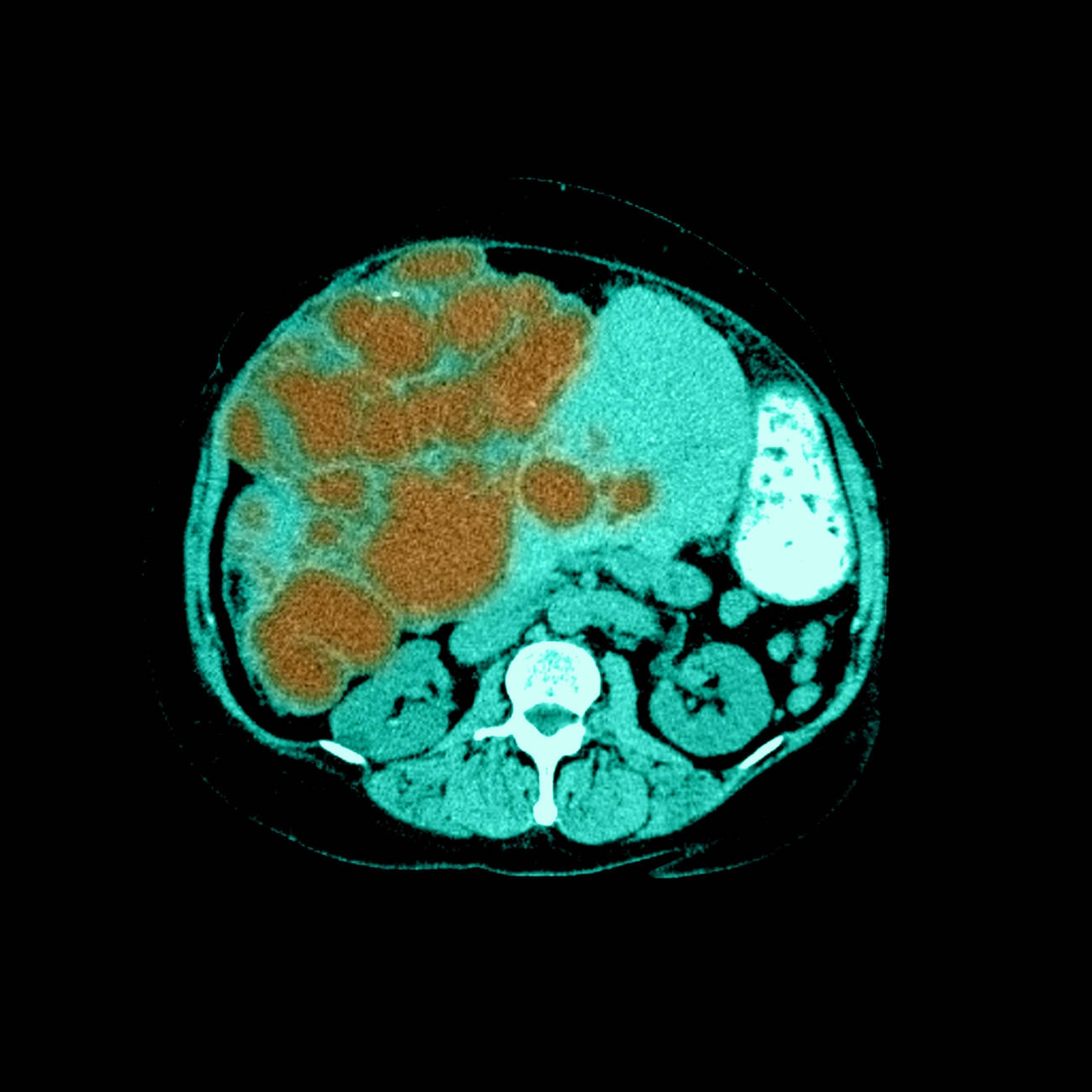
For months, Meg Martin had an explanation ready for every symptom. The back pain after long days came from stress and being worn out. The night sweats and cold spells were perimenopause. The itchy legs were dry skin, and the lost weight was her new low-carb diet. The 41-year-old mother was working while homeschooling her daughter, and a tired body seemed like a fair price for it. An emergency room scan one Sunday showed a different cause: a large mass on her left kidney, a tumor that measured more than 5.5 inches.
Martin shared her story with Newsweek, which published it on Oct. 31. Her diagnosis was stage 2 chromophobe renal cell carcinoma, a kidney cancer, and her scans now show no evidence of it.
Six Symptoms, Each With an Easy Explanation
According to Newsweek, Martin’s list was longer than back pain and night sweats. She also had intermittent body aches, fatigue and brain fog, itchy legs, unexplained weight loss and discomfort after eating.
Each one had a ready-made cause. She credited the weight loss to a new low-carbohydrate diet, the night sweats to perimenopause and the itching to dry skin. Her gynecologist suggested hormones were the likely cause and did not recommend scans.
Her May blood work looked normal, Newsweek reported. Her white blood cell count was not elevated and her kidney function appeared fine, which made the stress-and-hormones theory easier to believe.
The Sunday ER Visit
Worsening pain finally sent Martin to the emergency room. She suspected a kidney infection, a urinary tract infection or the flu. Imaging found a large mass on her left kidney instead.
In June, she was diagnosed with chromophobe renal cell carcinoma, described as stage 2. Later that month she had an open radical nephrectomy, an operation that removed her left kidney and the mass, along with a dissection of lymph nodes near the aorta.
The tumor measured more than 5.5 inches, larger than doctors had first feared, according to Newsweek. She spent five days in the hospital.
Why Kidney Cancer Hides So Well
Chromophobe renal cell carcinoma is a relatively uncommon type of kidney cancer, Moffitt Cancer Center says. The center notes that it often has no symptoms in its early stages and is sometimes found on a scan ordered for another reason, such as a suspected kidney stone.
The American Cancer Society says the same about kidney cancer in general: early kidney cancers often do not cause any signs or symptoms. Larger or more advanced tumors are more likely to. Its list of warning signs includes blood in the urine, one-sided low back pain that is not from an injury, a lump on the side or lower back, and weight loss. Most of those, the society notes, are more often caused by conditions other than cancer.
Two urologic cancer specialists quoted by Newsweek made the same point. Dr. Eric Singer of Ohio State University’s Comprehensive Cancer Center said kidney cancer “often has no early warning signs, which leads to many patients getting diagnosed at a later stage.” Dr. Mutahar Ahmed of Hackensack University Medical Center called early-stage kidney cancer “notoriously silent” and noted that most small kidney masses are found by chance during imaging for something else.
Singer has made a similar observation elsewhere. In an interview with CURE, he said there is no standard screening test for kidney cancer and that most kidney tumors are still found incidentally. He listed significant flank pain, blood in the urine and unintentional weight loss as signs that should prompt a visit to a primary care doctor. The traditional trio of flank pain, a large abdominal mass and blood in the urine is seen less often now, he said, largely because imaging catches tumors sooner. He also pointed to family history, inherited syndromes such as von Hippel-Lindau, obesity, smoking and diabetes as factors worth discussing with a doctor.
Warning Signs the Specialists Flag
Both specialists flagged blood in the urine and a persistent, dull ache or pressure in the side or back that is not explained by an injury. Johns Hopkins Medicine adds fatigue, a loss of appetite and recurrent fever to its list of possible kidney cancer symptoms, and cautions that these signs can resemble many other conditions, so a doctor should evaluate them.
Hopkins also says renal cell carcinoma accounts for about 9 in 10 kidney cancers and that most cases are found before the cancer has spread to other organs. Surgery to remove the tumor is the most common treatment, from partial removal of the kidney for smaller tumors to the full removal Martin had.
Three Months to Feel Near Normal
Recovery was long. Martin told Newsweek it took roughly three months before she felt close to normal.
Recent scans and blood work show no evidence of cancer, and her remaining kidney is working well. She will have surveillance every few months, the magazine reported.
Her advice to other mothers was plain. If something feels different or wrong, “it’s OK to keep asking questions,” she said, and second opinions and self-advocacy matter. She also spoke about the cost of a cancer diagnosis beyond the physical, saying it reaches a person’s sense of safety, mental health and perspective on life.
Back pain also turned out to be something far more serious for another family on this site: weeks after Bailey and Jacobey Severns welcomed their third son, his back pain was traced to a rare, aggressive cancer.
Get stories like this by email. Sign up for The Parent Diaries Letter.
This article was produced with AI assistance and edited for accuracy against the sources linked above.
Image: Goleisureintl – CC BY 4.0/Wikimedia Commons