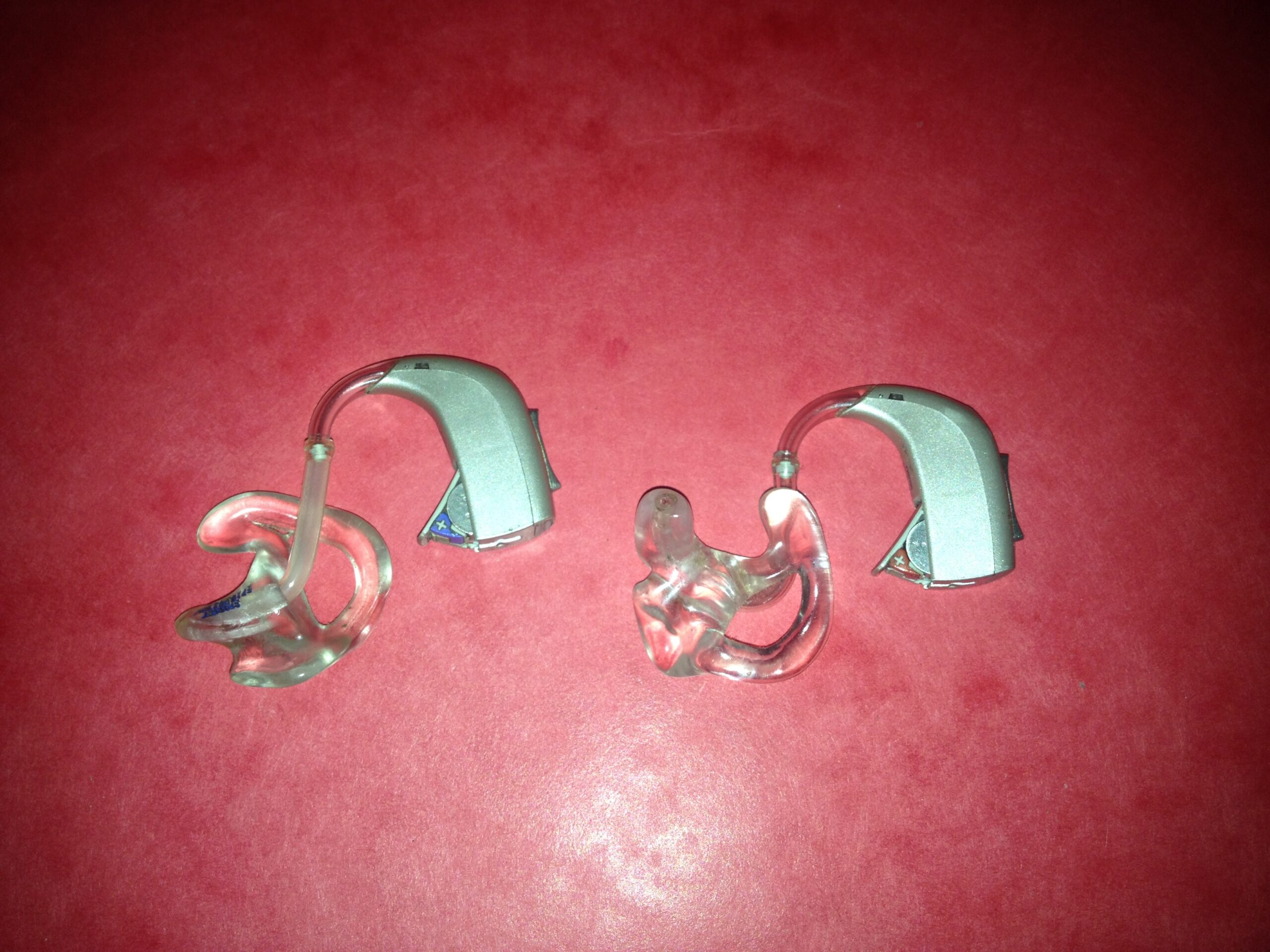
Titan Could Hear About 30% of What Most People Hear for His First Four Years, and a Year After His Hearing Aids Were Switched On, His Florida Mom Says He Wears Them Every Day

Titan wears his hearing aids every day now, taking them off only for sleep, baths, water activities or breaks, his mother, Kaitlynn Johnson, told Newsweek. The 5-year-old from Florida was born with bilateral sensorineural hearing loss that left him able to detect about 30% of what a typical person can hear, and he did not get hearing aids until October 2025, when he was about 4.
Born in 2021 With Hearing Loss in Both Ears
Newsweek reported that Titan was born in 2021 with bilateral sensorineural hearing loss, meaning both ears are affected. The American Speech-Language-Hearing Association describes sensorineural hearing loss as damage to the inner ear or to the nerve pathways that carry signals to the brain, and calls it the most common type of permanent hearing loss. People with it often struggle to hear soft sounds, and louder sounds can seem unclear or muffled.
Johnson, 30, told Newsweek she had no idea what her son’s life would look like after the diagnosis. The report did not say why the family went four years before he was fitted with hearing aids.
The audiology group says medicine or surgery usually cannot reverse this kind of loss, and that hearing aids can help people hear better.
The Day the Aids Were Switched On and a Clip That Passed 1.4 Million Views
Johnson filmed the moment in October 2025. Newsweek reported that the audiologist started at a low volume so the new sounds would not overwhelm him. Titan laughed as he heard them, and his parents were moved to tears. For the first time, the report said, he could clearly hear his parents’ voices, their laughter and his own.
Johnson posted the clip on TikTok, and Newsweek reported that it had passed 1.4 million views and 196,300 likes at the time of writing.
Preschool Without Nursery Rhymes and What Hearing Loss Does to Speech
Before the aids, Titan’s speech and development were affected, Johnson told Newsweek. He was behind in preschool and was told he might not be ready for kindergarten because he did not know some nursery rhymes or his ABCs. She said his speech suffered because he could not hear clearly for four years.
The Centers for Disease Control and Prevention says hearing loss can affect a child’s ability to develop speech, language and social skills, and lists delayed speech and unclear speech among the warning signs. Its guidance for families says babies should have a hearing screening by 1 month of age, and those who do not pass should get a full hearing test, ideally by 3 months. It also says starting services earlier makes a child more likely to reach his or her full potential.
The agency’s newborn data show how many families face a diagnosis like the one Titan’s family received: more than 98% of U.S. newborns were screened in 2022, and more than 6,000 infants born that year were identified with permanent hearing loss, a rate of 1.7 per 1,000 babies screened. The CDC notes that some infants who needed more testing or early intervention did not get it.
Daily Wear, Speech Therapy Twice a Week and the Limits of Hearing Aids
Johnson reported to Newsweek that her son has made “tremendous progress” over the past year, and that he attends speech therapy twice a week. Audiologist Kira Savin, who runs the California Hearing Center and Audiology Associates Westchester, told the outlet that hearing loss can affect speech, language, learning and social development, and that hearing aids, speech therapy and family support can help children reach their potential.
The National Institute on Deafness and Other Communication Disorders explains why steady wear matters. On its hearing aids page, the institute says the devices make sounds louder but cannot fully restore normal hearing, that they work less well when inner ear damage is severe, and that regular wear is key because adjusting takes time and patience. It says an audiologist programs the aid for the person’s hearing loss and can adjust settings for different environments.
The institute also notes that in-the-ear aids are usually not worn by young children, because their casings must be replaced often as the ear grows. For eligible children and young adults up to age 21, it says Medicaid’s EPSDT service can cover hearing aids, and families may also find coverage through state early intervention programs or the State Children’s Health Insurance Program.
Get stories like this by email. Sign up for The Parent Diaries Letter.
This article was produced with AI assistance and edited for accuracy against the sources linked above.
Image: Christian P. Nielsen – Public domain/Wikimedia Commons