Utah Mom Lori Says Her Autistic Son Gunner, 6, Was Put Alone in a Classroom for Seclusion Twice in Kindergarten, Months After the State Banned It for Kindergartners

A Utah mother says her 6-year-old son, who is autistic, was placed alone inside a classroom for seclusion twice during kindergarten, months after state law had banned seclusion for kindergarten students. She told KSL Investigates that learning the practice was still happening was “terrifying.” The station used only the first names of the mother, Lori, and her son, Gunner, at the family’s request to protect his privacy.
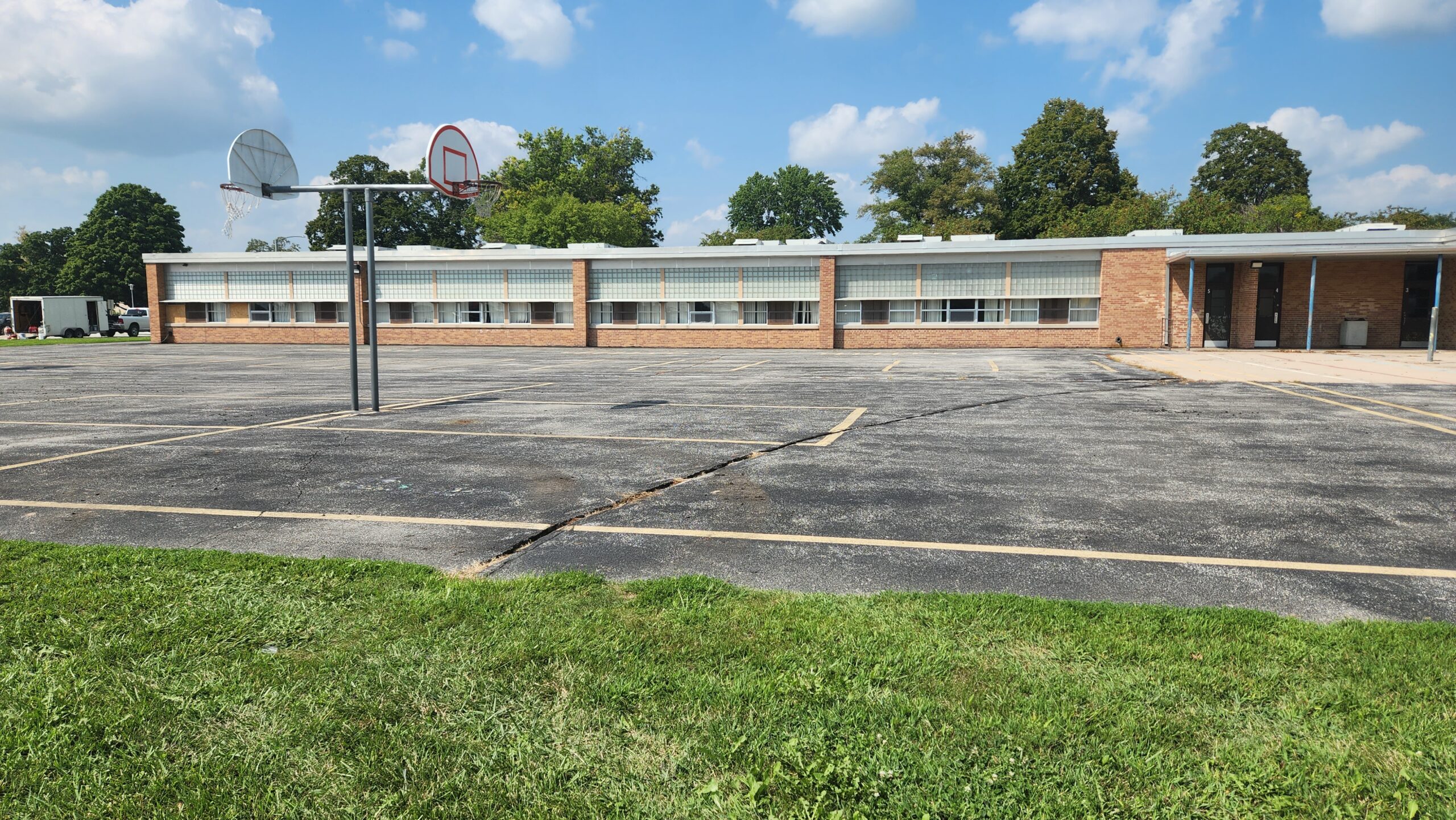
Gunner attends Orchard Elementary in North Salt Lake, part of the Davis School District. Lori says the two kindergarten seclusions came after a 2025 state law barred the practice for kindergartners, and that he has been secluded several more times since starting first grade.
What Lori Says Happened to Gunner
According to incident reports involving Gunner that KSL reviewed, he was placed in seclusion after episodes in which he threw and tore classroom items and hit, kicked, punched and bit. Lori does not dispute that her son had hard days. What she disputes is the response.
She says the behavior plan written for Gunner was not followed, and that his behavior got worse once he moved up to first grade. She told the station she does not believe seclusion is acceptable and does not think it is ever the answer for a child like hers.
For many parents, the word seclusion can be hard to picture. In plain terms, it means a child is kept alone in a room or space and is not allowed to leave. In Gunner’s case, Lori says, that space was a classroom, and he was in it by himself at 5 and 6 years old.
What Utah’s Rules Say Schools Can and Can’t Do
Utah treats seclusion as an emergency step, not a tool for managing a classroom. The state school board’s rule on emergency safety interventions, Rule R277-608, says seclusion may only be used when a student presents an immediate danger to themselves or others. It may not be used as discipline, as a behavior plan, or because a school is short on staff.
The same rule caps seclusion at 30 minutes per occurrence, requires that the child be watched at all times by staff who have finished the state’s emergency intervention training, and says parents must be notified immediately, and no later than 15 minutes after it is used. Schools must also give parents documentation afterward and tell them they can ask for copies of notes taken during the incident.
The Utah State Board of Education posts training checklists and a standard for what a seclusion room must look like on its behavior support page, which describes discipline as a last resort on a continuum of support for students.
Seclusion Reports Rose 37% Across Utah
Gunner’s case is one family’s story, but KSL found it sits inside a bigger trend. State data show 1,565 seclusion incidents in Utah schools in the 2025-26 school year, a 37% jump from the year before. The state board says the increase is hard to interpret because scrutiny, policies and definitions have all changed.
Krisanne Lewis of the Utah State Board of Education told the station the board is not sure why the number went up. In November 2025, the board sent 15 compliance letters to schools describing dozens of reported violations, including one involving a kindergarten student placed in seclusion. KSL did not say whether that letter involved Gunner.
Nate Crippes of the Disability Law Center, the nonprofit the governor has designated as Utah’s protection and advocacy agency for people with disabilities, told KSL the numbers show the state’s system is clearly not working.
Other families have faced their own fights with schools over how their autistic children are handled, including a Texas mom whose nonverbal son cried at the sight of his school bus and a Michigan family whose son walked off the playground.
What the District Says
The Davis School District declined KSL’s request for an interview. In an emailed statement, it cited federal student privacy law and said it could not confirm or comment on any specific student. The district said seclusion is a last resort and that it reviews every use of an emergency safety intervention. “The district takes every use of an emergency safety intervention seriously,” the statement said.
That leaves Lori with incident reports and a behavior plan she says was not followed, while Gunner is now in first grade.
Why So Many Families Are Watching
Autism is common in American classrooms. The Centers for Disease Control and Prevention estimates that about 1 in 31 children aged 8 has been identified with autism, based on its national monitoring network.
Many autistic children have written behavior plans, and many parents learn how a hard day was handled only from a form sent home afterward. Utah’s 15-minute notice requirement is meant to make sure a parent hears about a seclusion right away, not at pickup.
For Lori, the point of speaking out is simple. Gunner is 6, and the law that was supposed to protect kindergartners did not stop what happened to him. KSL summed up her message in its headline: “These kids deserve better.”
Get stories like this by email. Sign up for The Parent Diaries Letter.
This article was produced with AI assistance and edited for accuracy against the sources linked above.