A Grandchild Says Her Parents Started Planning a Nursing Home After Her Grandma Broke Her Wrist, but Then the Family’s Talk About Her House Raised a Bigger Question

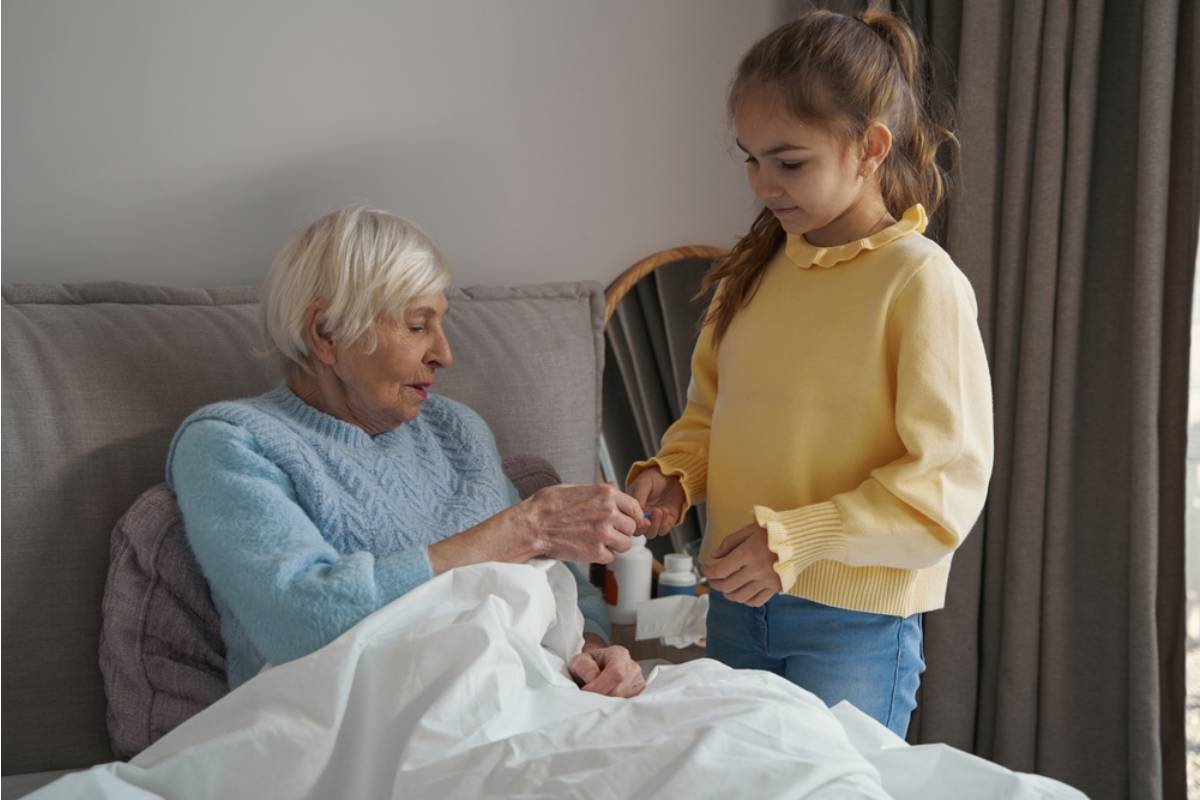
A person shared his story about his 82-year-old grandmother, who had been living alone since her husband passed away two years earlier. Despite her age, she had remained remarkably independent and had built a comfortable routine around her own home. She drove her car, handled her finances, kept up with friends, and continued enjoying the social life she had created over the years.
Her home was not just a place where she happened to live, either. She loved her garden, knew every familiar corner of the house, and seemed happy with the life she had built there. To the grandchild, those details mattered because Grandma did not appear to be someone struggling to manage basic parts of daily life. She appeared to be an older woman who still had plenty of independence left.
Then One Small Accident Changed the Conversation
The situation took a turn after Grandma had a minor fall the previous month. She broke her wrist, but she was recovering, attending physical therapy, and reportedly healing well. For the grandchild, the injury felt like a temporary setback rather than proof that Grandma could no longer live by herself.
Her parents, however, saw the fall differently. They became convinced that another accident could happen when nobody was around to help her. Almost immediately, the conversation shifted from recovery to whether Grandma needed to leave the home she loved.
Her Parents Were Already Looking at Facilities
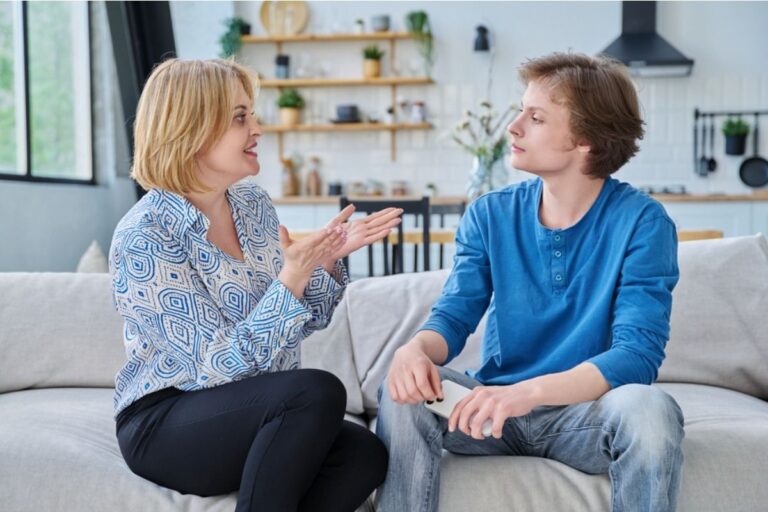
The family discussion did not stop at simply worrying about what might happen next. The parents had already begun looking into facilities and were apparently talking about selling Grandma’s house. That detail made the situation feel much more serious to the grandchild because it suggested the family was preparing for a permanent change.
Suddenly, the broken wrist was sitting in the middle of a much bigger decision. Grandma was still recovering, but her family was already discussing where she might live and what would happen to her property. The grandchild felt as though everyone was racing toward an answer before Grandma had even finished healing.
Grandma Had Already Made Her Feelings Clear
According to the person who shared his story, Grandma had expressed a clear preference about what she wanted. She did not want to move into a nursing home unless she absolutely had to, and she wanted to remain in the home where she felt comfortable. Her love for gardening and her established routines made the idea of leaving especially painful in her grandchild’s eyes.
That preference became one of the biggest reasons the grandchild decided to push back. Grandma was described as lucid and capable of making her own choices, and there was no indication in the story that she had suddenly lost the ability to understand her circumstances. To the grandchild, ignoring her wishes seemed just as troubling as the fall itself.
The Grandchild Had Another Idea
Instead of choosing between complete independence and a nursing home, the grandchild suggested something in the middle. In-home care could provide help with chores, regular check-ins, or other tasks without immediately forcing Grandma to leave the place she loved. It seemed like a way to address the family’s safety concerns while preserving as much independence as possible.
The parents were not convinced. They dismissed the idea as insufficient and described it as merely delaying what they believed would eventually become unavoidable. That disagreement left the grandchild feeling trapped between respecting Grandma’s wishes and understanding why the parents were so frightened by the possibility of another fall.
One Response Pointed Out a Major Difference
A response from a person immediately asked whether the family was actually talking about a nursing home or assisted living. The distinction mattered because assisted living can allow residents to keep much more independence, including having their own living space and maintaining everyday routines. The response suggested that the word “nursing home” might be making the situation sound more restrictive than some options actually are.
That opened the door to a much broader discussion. Several people pointed out that there are different levels of senior care, ranging from independent living to assisted living to more intensive nursing care. Instead of treating every option as the same, they argued that the family should figure out what Grandma actually needed before deciding where she belonged.
Other People Focused on Grandma’s Right to Choose
Another response from a person emphasized that the key issue was not simply Grandma’s age or her recent injury. If she remained capable of making her own decisions, the person argued that her wishes about where she lived should carry enormous weight. That perspective changed the discussion from “Is 82 too old to live alone?” to “What does Grandma actually want, and is she able to make that choice?”
Other responses made essentially the same point in different ways. They questioned why the family was discussing Grandma’s future as though she were no longer part of the decision. The grandchild’s frustration appeared to be rooted not only in fear of losing Grandma’s home, but also in fear that Grandma’s voice was slowly disappearing from conversations about her own life.
One Fall Did Not Convince Everyone That She Needed a Home
A person who said they had worked in nursing homes for 20 years offered a particularly direct response. They pointed out that one fall alone does not automatically mean an older adult needs nursing home care. That message appeared to resonate with others who believed the injury should be evaluated in the larger context of Grandma’s overall abilities.
Several people also noted that falls can happen in many settings. A response suggested that fall-detection watches, pendants, and emergency alert systems can give older adults a way to summon assistance quickly. For families worried about Grandma being alone after an accident, those tools were presented as one possible layer of protection rather than an all-or-nothing move.
Some Families Had Learned That Staying Home Could Be Safer
One response from a person described helping elderly parents remain in the home they had owned for decades. The family had eventually realized that the older adults knew every step, corner, tree root, and part of the property so well that staying in familiar surroundings could actually reduce certain risks. Moving into an unfamiliar environment, the person believed, might have created a new set of problems.
That story added another wrinkle to the debate. The danger was not necessarily limited to what could happen if Grandma stayed home, because a major move could also be stressful and disorienting. For someone who had spent years developing habits around one familiar house, learning an entirely new environment could bring its own challenges.
But Some People Shared Frightening Stories About Waiting Too Long
Not every response supported waiting. Several people described painful family experiences in which an older relative suffered a serious medical emergency or fall while alone, sometimes remaining on the floor for many hours before being found. Those stories were emotional reminders that a person can appear healthy and independent right up until something suddenly goes wrong.
One person described a grandfather who suffered severe injuries and was not discovered for more than a day. Another described a great uncle who was active, social, and independent before a stroke left him stranded in his home for a prolonged period. These stories did not prove Grandma needed to move, but they showed why some relatives might look at a single fall and immediately imagine the worst possible outcome.
Age Became Another Unexpected Part of the Debate
Grandma’s continued driving also became a point of disagreement. One response questioned whether being 82 should itself raise concerns about driving, while another person pushed back by explaining that age alone does not determine whether someone can drive safely. A suggestion for regular testing highlighted the difference between being cautious about an older driver’s abilities and assuming they are automatically incapable.
That distinction reflected the larger argument surrounding Grandma’s independence. She was not simply being described as someone who stayed in bed all day and needed constant assistance. She was still driving, spending time with friends, managing her own finances, and participating in everyday life, which made blanket assumptions about her abilities especially difficult to apply.
Assisted Living Suddenly Sounded Very Different
As more responses came in, assisted living began to look less like the drastic step the grandchild had originally imagined. People described communities where residents could have private apartments, prepare meals, drive, shop, socialize, and come and go while still having staff available if an emergency occurred. Some communities also offered transportation, activities, meals, and emergency alert systems.
Other people shared positive stories about relatives who had moved into these settings and ended up enjoying the social side of the experience. One person described a father who had his own apartment, access to laundry services, social activities, and plenty of visitors, including several beloved dogs. Another described a relative who enjoyed outings and communal meals while still maintaining considerable freedom.
The Real Issue Might Be Finding the Right Level of Help
The discussion gradually moved away from the simple question of “home or nursing home.” Instead, people began describing a range of possible arrangements that could be adjusted as Grandma’s needs changed. Independent living, assisted living, in-home support, emergency alert systems, and other forms of help could potentially create different balances between independence and safety.
That seemed important because Grandma’s current situation did not sound identical to someone requiring round-the-clock medical care. The person who shared the story specifically described someone who was recovering from an injury rather than someone who had lost the ability to care for herself. Several responses suggested that the family should first determine what help she actually needed instead of choosing the most restrictive option simply because everyone was frightened.
Then the Conversation About Her House Raised Eyebrows
For some people, the most concerning detail was not the fall at all. It was the fact that Grandma’s parents were already discussing selling her house while she was still recovering. A response from a person said that this could raise concerns about family members becoming too interested in controlling someone else’s property or finances, although that response was an interpretation rather than proof of anyone’s motives.
Other people urged caution around Grandma’s finances and property for practical reasons. They pointed out that senior care can be extremely expensive and that moving into a facility can create complicated financial decisions involving a person’s home and savings. The house had suddenly gone from being Grandma’s favorite place to garden to becoming one of the most important pieces of the family’s entire argument.
Some People Thought a Move Could Actually Help Later
There was another side to the discussion that made the situation more complicated. One response from a person argued that moving into assisted living while someone is still mentally and physically capable can sometimes make a future transition easier. In that view, waiting until a crisis occurs could mean making a major move when the person is already confused, medically fragile, or unable to adjust comfortably.
That perspective did not necessarily mean Grandma should move immediately. Instead, it suggested that planning ahead could prevent a much more chaotic transition later. The question became whether the family was trying to prepare responsibly for the future or rushing Grandma into a major change before one was actually necessary.
Grandma’s Independence Was Really at the Center of Everything
By the end of the discussion, the fall almost seemed like the least interesting part of the story. The deeper conflict was about independence, safety, family responsibility, and who gets to make decisions when an older relative is still capable of speaking for herself. The grandchild wanted Grandma’s wishes to remain central, while the parents appeared focused on preventing a possible disaster.
The responses offered no single answer, and they did not all agree about what should happen next. Some emphasized staying home with extra support, others described the benefits of assisted living, and some warned that delaying too long could have serious consequences. But nearly every perspective circled back to the same crucial question: what does Grandma need right now, and how much control does she still have over the answer?
The Family May Need to Slow Down Before Making a Permanent Decision
The most striking part of the story was how quickly one broken wrist had turned into conversations about facilities and selling a house. Grandma was still attending physical therapy and recovering, yet her family was already imagining an entirely different life for her. That speed seemed to be what made the grandchild feel that something important was being lost along the way.
Before any permanent move, the story’s responses suggested looking closely at Grandma’s actual abilities, safety needs, wishes, and available support. A single fall could be a warning worth taking seriously without automatically becoming a final verdict on someone’s independence. For a family trying to protect an older loved one, the hardest part may be finding the line between keeping someone safe and quietly taking away the life they are still fully capable of living.