A Mom Asked Parents to Stay at Her 5-Year-Old’s Park Birthday Party, and Some Said It Wasn’t Necessary

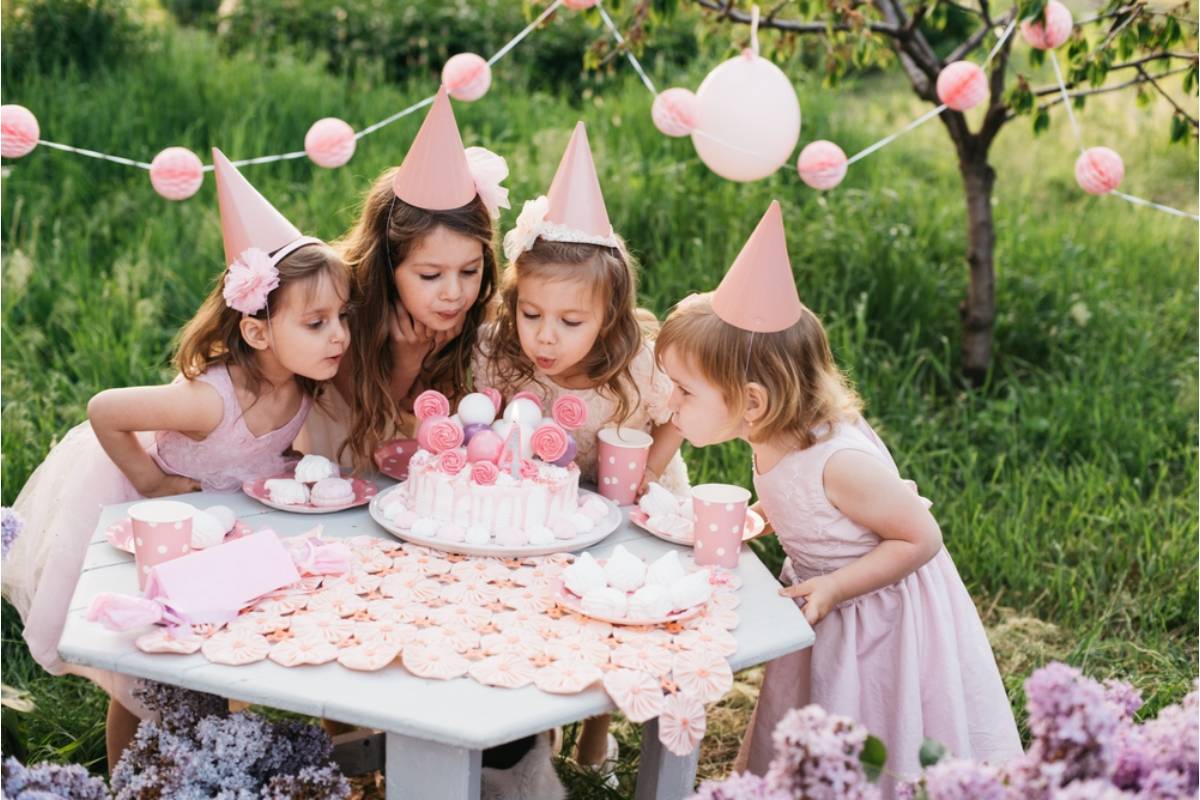
A mom was getting ready to celebrate her daughter’s fifth birthday in mid-September, and the plan initially sounded wonderfully simple. Her daughter wanted to invite kids from school, so the family chose a park where the children could run around, play, eat snacks, and enjoy cupcakes together. There was just one problem that became increasingly difficult to ignore: the mom didn’t actually know most of the children or their parents.
Because the party would take place in a public park, she didn’t want to spend the entire afternoon trying to keep track of five-year-olds while simultaneously handling food, games, birthday activities, and the general chaos that comes with a child’s party. She figured the easiest solution was for the adults to stay with their children. Before sending out the RSVPs, however, she started wondering whether that request would sound unreasonable.
She Didn’t Want to Sound Demanding
The mom wasn’t trying to create an elaborate set of rules for a children’s birthday party. She simply wanted another responsible adult present for each child, especially because she would be hosting rather than acting as the sole supervisor for a group of children she had never met. She expected most parents would probably stay anyway, but she wasn’t comfortable making that assumption.
Her question was whether she should spell everything out when parents responded or simply trust that everyone would understand the situation. The concern wasn’t really about etiquette in the traditional sense. It was about whether asking parents to remain at a park party would make the invitation feel unusually strict.
The Invitation Had Already Gone Out
There was another wrinkle that made the situation slightly more complicated. The invitations had already been distributed through the school’s app, which apparently gave parents only a small amount of space for information. The mom hadn’t included the request about parents staying because she thought adding another block of text would make the invitation unnecessarily crowded.
That left her considering a follow-up message when parents RSVP’d. She could thank them for confirming their child’s attendance and then politely explain that, because the party was being held in an open public setting, she wanted a parent or responsible adult to remain with each child. It seemed reasonable to her, but she wasn’t sure how the request would land with other families.
One Person Said Not to Assume Anything
A response from a person immediately took the cautious approach. The advice was simple: never assume that parents will follow the same expectations, especially when those expectations haven’t been stated clearly. The person suggested explaining that the public setting meant each child should be accompanied by a responsible adult for safety.
That advice addressed the mom’s biggest concern without making the request sound like a personal judgment about the other parents. Instead of implying that parents should obviously know better, the wording framed the request as a practical safety measure. It also meant there would be much less chance of a parent arriving, dropping off a child, and disappearing before the host realized what had happened.
Age Five Made the Situation Different
Several people pointed out that the children’s ages mattered. At five years old, plenty of parents would naturally expect to remain at a birthday party, particularly if the event was being held outdoors in a public place. One person said they would be surprised if someone attempted a drop-off under those circumstances.
Another person shared a completely different experience, though. In their area, parents apparently started dropping children off at parties around kindergarten, with only a few still accompanying them into first grade. Suddenly, what seemed like an obvious social rule turned out to be heavily dependent on where a family lived.
Even Older Children Created Different Expectations
The conversation became more surprising when one person mentioned that their son’s entire class had recently attended a park birthday party when he was ten, and they believed nearly every parent had stayed. Another response found that incredibly unusual, saying that outdoor parties for children that age were normally treated as drop-off events where they lived.
That disagreement showed why the mom’s instinct to clarify the arrangement wasn’t necessarily excessive. Families can have completely different ideas about the age at which children should attend parties independently. What feels completely normal to one parent can seem bizarre to another.
A Public Park Changed the Equation
The location was probably the most important detail in the entire situation. This wasn’t a private home, a rented party room, or a controlled children’s activity center where staff might be responsible for supervision. It was an open public park where other children and families could be moving around throughout the party.
Several responses emphasized that they would never leave a five-year-old at a public park party with a host they didn’t know. From their perspective, staying wasn’t an inconvenience but the obvious thing to do. The public setting made the mom’s request sound less like an unusual parenting preference and more like a reasonable boundary.
The Mom Wasn’t Worried About Extra Adults
The situation became easier once the mom clarified that she had no problem with parents staying. In fact, she expected there would already be several adults at the party, including people who weren’t bringing children. Her main concern was simply making sure every invited five-year-old had an adult responsible for them.
She also wasn’t planning a formal sit-down meal that would make the additional guests a major logistical problem. There would be plenty of snacks, drinks, and cupcakes, so parents weren’t going to be left wondering whether they were expected to bring their own food. That small detail removed one of the biggest potential complications of asking parents to stay.
Then Someone Raised the Sibling Problem
A response from a person pointed out an issue the mom hadn’t initially focused on: siblings. If parents were expected to remain at the party, some might naturally bring their other children along rather than finding childcare for them. Suddenly, a party planned around a specific number of invited children could become considerably larger.
The question wasn’t whether the siblings could physically enter the public park. Obviously, nobody could prevent that. The real issue was whether the host would be comfortable including them in the birthday activities, giving them food, and allowing them to participate alongside the invited children.
The Mom Had Already Decided About Siblings
Fortunately, that particular problem wasn’t much of a problem for this family. The mom explained that siblings were welcome, especially because the party wasn’t taking place during a formal mealtime. She planned to have plenty of snacks and drinks available, along with the cupcakes, so a few additional children wouldn’t create a crisis.
She also expected other adults to be around, which meant the event wasn’t going to depend entirely on one person managing every child in attendance. The sibling concern therefore faded into the background. Still, it revealed how one small request about supervision could create several practical questions that weren’t immediately obvious.
Someone Suggested a Softer Message
Instead of sending a blunt instruction about supervision, one person suggested making the request sound more like a warm invitation. The mom could tell parents that she would love for them to stay and celebrate with their child when they RSVP. That approach communicated the expectation without making it sound like a warning from the birthday-party police.
It also had a useful social advantage. Parents would understand that their presence was wanted rather than merely tolerated, which could make the entire event feel more welcoming. The difference between “you must stay because I don’t trust you” and “we’d love to have you stay and celebrate with us” could be only a few words, but the tone would be completely different.
The Bigger Problem Was the Unknown Kids
At the heart of the situation was something very ordinary but easy to overlook. The mom didn’t know these children by sight, and she didn’t know how they behaved, what they were likely to wander toward, or whether they needed close supervision. She was being asked to host a birthday party while potentially becoming responsible for a group of five-year-olds she had never met.
That made the idea of assuming every parent would remain seem risky. Even if nine out of ten families stayed, the tenth child could still leave the host scrambling to figure out who was responsible for them. A short message ahead of time could prevent an awkward conversation later.
The Responses Revealed a Bigger Etiquette Divide
As more people weighed in, it became clear that the question wasn’t really about whether the mom was being off-putting. It was about the wildly different expectations families have developed around children’s parties. Some parents considered staying with a five-year-old completely standard, while others were accustomed to dropping children off surprisingly young.
That difference explained why so many people supported spelling it out. A host shouldn’t have to guess which version of party etiquette another family follows. If the host needs parents to remain, saying so politely gives everyone the same information before the event rather than forcing people to figure it out at the park.
The Final Advice Was Simpler Than Expected
By the end of the discussion, the strongest advice wasn’t to rewrite the entire invitation or create a complicated set of rules. It was simply to communicate clearly. The mom could mention that because the party was being held at a public park, parents were asked to stay and celebrate with their children.
That wording would preserve the friendly atmosphere while making the practical expectation unmistakable. It would also allow parents to ask questions before the party rather than arriving with completely different assumptions. For a fifth birthday, that little bit of clarity could save the host from a very long afternoon of counting heads.
The Twist Was That Nobody Was Really Offended
The funniest part of the situation was that the mom spent so much time worrying about whether her request would be off-putting when many people considered it completely normal. Even those who lived in areas where children were routinely dropped off generally understood why a public park and unfamiliar five-year-olds changed the equation. The request wasn’t coming from a desire to control other parents, but from a desire not to become the only adult responsible for everyone.
In the end, the birthday party didn’t need stricter rules nearly as much as it needed clearer communication. The mom wasn’t asking parents to do something outrageous, and she wasn’t trying to turn a cupcake party into a formal event. She simply wanted the adults who knew their children best to remain nearby, which might have been the most reasonable request at the entire party.