A Mom Found Out Her Son Had Been Giving His Recess Ball to Younger Kids Every Day and Just Standing on the Sidelines Watching

Megan Carter thought she knew every detail about her ten-year-old son Noah’s school life. She knew which subjects he loved, which friends he talked about at dinner, and how he always came home with grass stains on his jeans after recess. Noah was usually energetic and couldn’t wait to tell stories about the games he played outside with his classmates.
But one afternoon, he walked through the front door unusually quiet. He dropped his backpack near the kitchen table, washed his hands, and sat down without mentioning anything about school. Megan noticed immediately because Noah was normally the kind of kid who replayed every funny moment from his day.
She asked him how recess went, expecting to hear about soccer or tag with his friends. Instead, he simply shrugged and said, “It was fine.” That small answer stayed in her mind because Noah had never been the type to give short responses about something he enjoyed.
She didn’t push him that night, but she felt something was different. A few days later, she would discover that her son had been quietly making a choice during recess that nobody in their family knew about.
The Teacher’s Unexpected Message
The following week, Megan received a message from Noah’s teacher, Mrs. Reynolds. At first, she assumed it was a regular update about homework or classroom activities. Instead, the message began with a sentence that immediately caught her attention.
“Is everything okay at home? Noah has been doing something unusual during recess, and I wanted to check if there was a reason.”
Megan’s heart sank slightly because she wondered if something was wrong. She replied quickly, asking what had happened. A few minutes later, Mrs. Reynolds explained that she had noticed Noah spending most recess periods standing near the playground fence instead of playing.
“He gives his ball away almost every day,” the teacher wrote. “Then he watches the younger kids play with it while he sits nearby.”
Megan stared at the message, confused. Noah loved playing outside. He had always been the first kid to grab a ball when friends wanted to start a game. She couldn’t understand why he would give away something he enjoyed using.
The Question at the Dinner Table
That evening, Megan waited until everyone was eating before bringing it up. She didn’t want Noah to feel like he was being interrogated. She simply asked, “Your teacher mentioned you’ve been sharing your recess ball with younger kids. Can you tell me about that?”
Noah immediately looked down at his plate. His shoulders dropped, and Megan could tell he wasn’t embarrassed because he had done something wrong. He looked embarrassed because he didn’t expect anyone to notice.
After a few seconds, he quietly explained that some first graders had been sitting alone during recess because they didn’t have anything to play with. Their playground area was separate from the older students, and many of them didn’t know how to join the bigger games.
“So I let them use my ball,” Noah said. “They like playing with it more than just sitting there.”
Megan smiled and told him that sharing was kind, but she still had one question. “Why aren’t you playing with them too?”
Noah looked away and answered softly, “Because then they might stop playing when I leave.”
The Boy Behind the Fence
Over the next few days, Megan started paying closer attention. She visited the school for a volunteer activity and happened to see recess from a distance. What she witnessed surprised her more than she expected.
Noah wasn’t simply giving away a toy and walking away. He was carefully watching the younger kids, making sure everyone got a turn. When two children argued over who could kick the ball, Noah stepped in and helped them solve it.
But when the older students called him over to join their game, he shook his head and stayed where he was.
Megan noticed the expression on his face. He wasn’t unhappy. He looked proud of what he was doing, but there was also a loneliness she hadn’t seen before.
She realized her son had been putting other children’s happiness before his own without telling anyone.
The Conversation With His Coach
That weekend, Megan spoke with Noah’s soccer coach, Mr. Daniels. She wanted to understand if this was something new or if Noah had always acted this way.
The coach laughed gently and said, “That sounds exactly like Noah. He’s always been the kid who notices when someone gets left out.”
He explained that during practices, Noah often passed the ball to newer players instead of trying to score. He encouraged younger teammates and celebrated their improvements more than his own.
“But I didn’t know he was doing this at school,” Mr. Daniels admitted. “He never talks about those things.”
That was the part that stayed with Megan. Noah wasn’t doing it for praise or attention. He wasn’t telling adults because he wanted recognition. He was doing it because he genuinely believed it was the right thing to do.
The Reason He Never Joined In
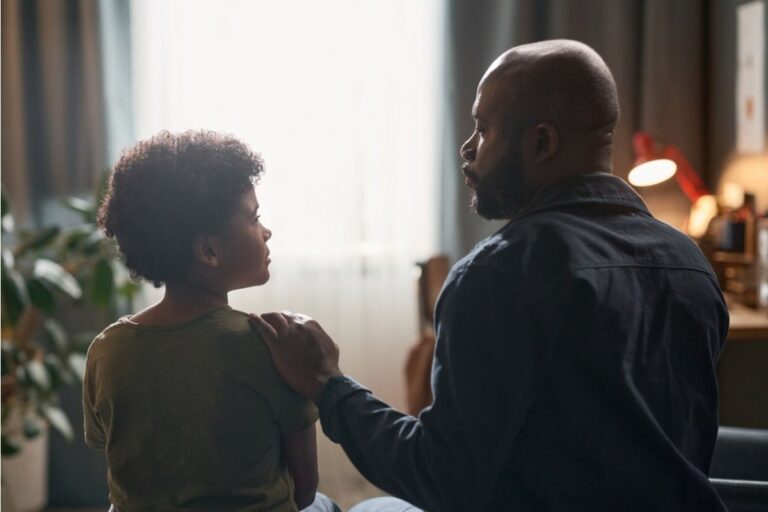
A few days later, Megan sat with Noah on the porch and asked him honestly why he stayed on the sidelines. She promised she wasn’t upset and just wanted to understand.
After a long silence, Noah finally explained.
“When I was little, I didn’t know how to play with the older kids,” he said. “Everyone already had groups, and nobody asked me to join. I remember how that felt.”
Megan remembered that year. Noah had transferred schools after moving to a new neighborhood. He had struggled for months before making friends.
“I thought if I helped those kids have fun, maybe they wouldn’t feel the way I felt,” Noah said.
Megan realized her son wasn’t just sharing a ball. He was trying to give younger kids the welcome he once needed himself.
A Small Change on the Playground
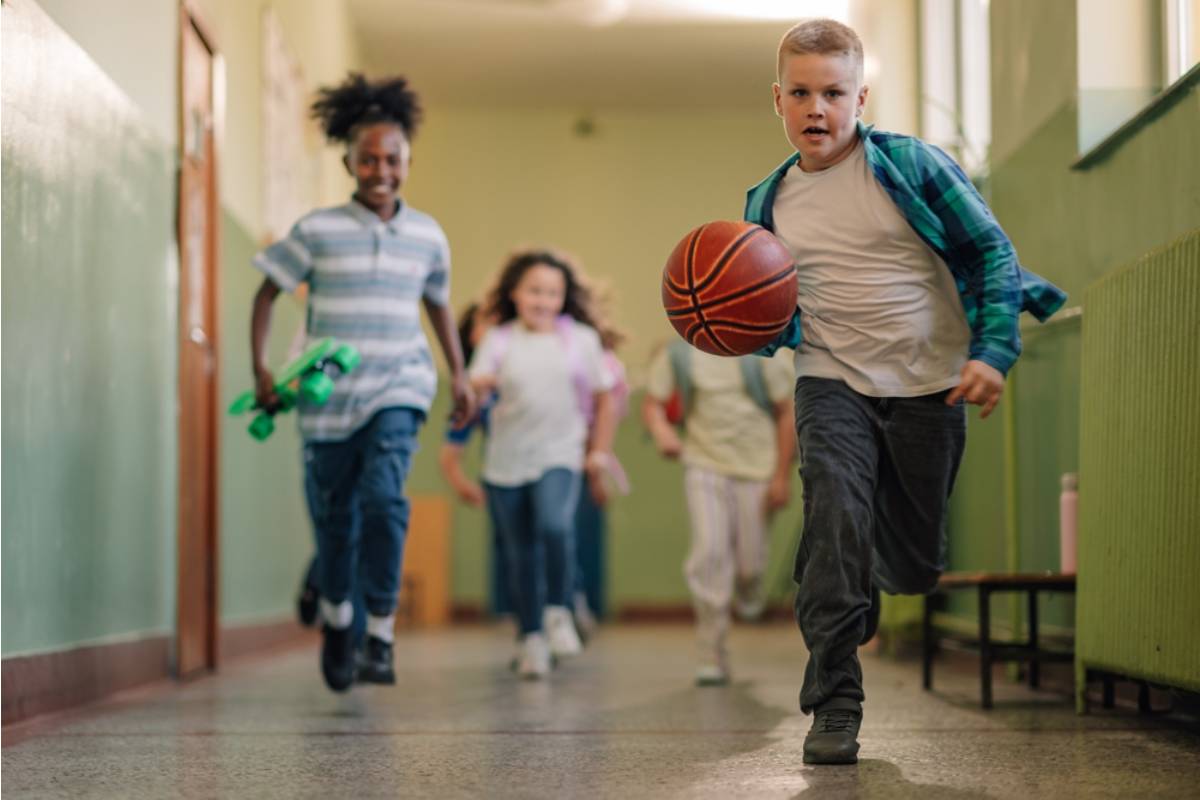
The next week, something different happened during recess. Noah still brought his ball, but instead of handing it over and walking away, he stayed and played.
At first, the younger kids were nervous. They weren’t used to an older student joining them. But Noah showed them simple games and helped them learn new skills.
Soon, other fourth graders noticed what was happening. A few of them started joining too. The playground that once had a small group of younger kids sitting quietly became a place where students from different grades played together.
Mrs. Reynolds later told Megan that she had never seen such a simple action create such a big change among the students.
The Moment Noah Finally Spoke Up
A month later, the school held a student appreciation assembly. Teachers nominated students who had shown kindness or leadership. Megan expected Noah to be nervous if his name was called because he disliked attention.
When the principal announced Noah’s name, he slowly walked onto the stage. The room filled with applause from students and teachers.
The principal explained that Noah had spent weeks helping younger students feel included. She didn’t mention the ball alone. She talked about how he noticed people who were often overlooked.
Noah accepted the certificate, smiled briefly, and walked back to his seat. When he returned, his classmates immediately started asking him questions.
The Friend He Never Expected
After the assembly, a first grader named Lucas approached Noah. Megan watched from across the room as the younger boy handed him a handmade card.
Lucas explained that before Noah started playing with them, he hated recess because he always felt invisible.
“I like school now,” Lucas told him. “Because someone waits for us.”
Noah looked surprised. He had never realized how much his small action meant to someone else.
That moment affected Megan deeply because she saw her son understand that kindness could reach people in ways he would never predict.
The Ball That Became a Symbol
A few weeks later, Noah’s original recess ball became damaged after years of use. Megan offered to buy him a new one, expecting him to choose his favorite color.
Instead, Noah asked if they could donate several balls to the school’s younger grades.
He said, “If one ball helped, imagine what happens if everyone has one.”
Megan agreed, and together they collected sports equipment from neighbors and family friends. The school was grateful, but Noah acted like it was nothing special.
To him, it was simply another way to make sure nobody stood alone during recess.
The Lesson Megan Carried Home
Megan often thought about how easily she could have missed what Noah was doing. If his teacher hadn’t noticed, she might never have learned about those quiet moments on the playground.
She realized children sometimes carry entire stories inside them that they never share. Noah wasn’t looking for compliments or rewards. He was quietly solving a problem he saw around him.
The experience changed how Megan looked at parenting. She learned that kindness isn’t always loud or obvious. Sometimes it looks like a child standing near a playground fence, making sure someone else gets a chance to play.
The Day Everything Came Full Circle
Near the end of the school year, Megan attended another school event. She noticed Noah walking across the playground with a group of younger students following him.
They weren’t following him because he had a ball or because he was leading a game. They followed him because they trusted him.
One of the younger kids ran up and asked if Noah would play again the next day. Noah laughed and said, “Of course.”
Megan watched her son join the game instead of standing on the sidelines.
The same child who once gave away his chance to play had finally learned that helping others didn’t mean forgetting himself. He could be kind, include people, and still enjoy the game too.