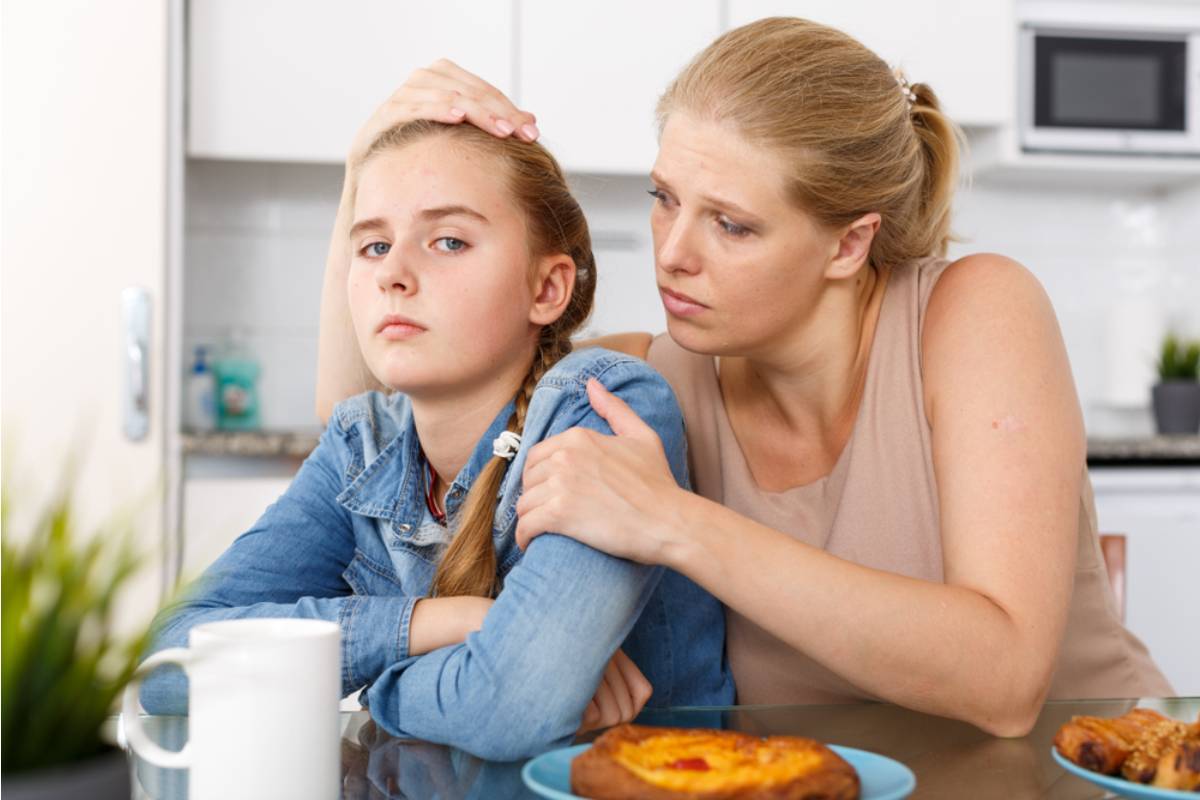
A Mom Says Her 11-Year-Old Daughter’s Best Friend Started Controlling Who She Could Talk To, Then She Discovered the Girl’s Mom Was Encouraging the Behavior

A mom shared the story of how her 11-year-old daughter became close friends with a girl who seemed perfectly nice at first. Her daughter was described as quiet, kind, enthusiastic about school, and generally friendly toward everyone she met. Nothing about the friendship initially suggested that it would eventually become one of the biggest sources of stress in her daughter’s life.
Over time, however, the other girl’s behavior began changing. She became increasingly possessive and expected the daughter to spend most of her free time talking, calling, or playing games with her. What looked like an ordinary childhood friendship slowly started developing rules that the daughter had never agreed to.
The Friendship Started Coming With Rules
The girl reportedly became upset whenever the daughter paid attention to other classmates. If another child tried to spend time with her, the friend would make rude comments or become angry. The daughter gradually found herself worrying about how her friend would react instead of simply enjoying time with other kids.
The situation became especially strange because the rules did not seem to apply equally. The friend could do things that she discouraged the daughter from doing herself. According to the mother, that double standard became one of the clearest signs that this was no longer a healthy friendship.
Even Haircuts Became Part of the Problem
One example involved a haircut that the daughter wanted to get. Her friend apparently told her that the haircut would not look very good on her, which made the daughter second-guess her own choice. Not long afterward, the friend got the exact same haircut herself.
That incident might have seemed minor on its own, but it fit a much larger pattern. The daughter was repeatedly receiving messages about what she should or should not do while her friend freely made her own choices. Little moments like that can become surprisingly powerful when a child is already unsure about standing up for herself.
Her Daughter Wasn’t Good at Pushing Back
The mother explained that her daughter was naturally gentle and did not always know how to defend herself. She would try to stand up for herself, but the friend often responded by becoming even more upset. Instead of ending the argument, her daughter’s attempts to establish boundaries seemed to create another round of pressure.
That left the girl caught in an uncomfortable cycle. She wanted to keep the friendship because she did not want to be alone at school, but keeping the friendship meant constantly worrying about the other girl’s feelings. By that point, the friendship was beginning to affect her daughter’s confidence rather than simply adding something positive to her childhood.
Then the Mom Discovered Something Much More Troubling
The situation took a much sharper turn when the mother learned about a conversation involving the other girl’s mother. Apparently, the woman had asked her daughter whether the 11-year-old was an overthinker. After receiving an answer that she was, the mother allegedly suggested a strategy designed to make the girl feel guilty.
The instruction was reportedly to send the daughter a message saying she was being mean, then stop responding. The idea was that the daughter would eventually apologize and believe she had done something wrong. For the mother trying to protect her child, this discovery changed the entire situation.
The Problem Wasn’t Just Between Two Kids Anymore
Before learning about the mother’s involvement, the parent had considered speaking directly with her. That plan suddenly looked far more complicated once it appeared that the adult might be encouraging the very behavior causing the conflict. What had seemed like a difficult childhood friendship now appeared to involve an adult influence as well.
The mother also believed the other woman had considerable connections within the school. She had previously worked there, knew many teachers, and was described as being heavily involved in the local community. That made the parent afraid that confronting the situation could create consequences for her daughter rather than solve the problem.
A Small School Made Everything Feel Bigger
The school was relatively small, with roughly 60 children in the daughter’s grade and about 20 students in her class. In a setting that small, walking away from one friendship does not necessarily mean simply finding a new group somewhere else. The same children see one another constantly, and social conflicts can spread quickly.
That was one of the reasons the daughter felt trapped. She worried that ending the friendship would leave her without anyone to sit with or talk to at school. She also feared that the other girl could make things harder for her by turning classmates against her.
Her Mother Was Afraid of the School Politics
The mother had another concern that made the decision even more difficult. She believed the other girl’s mother was close to school administrators and had relatives connected to the school. She also said she had seen situations involving other girls where she felt conflicts appeared to work against them.
Because of that history, the mother was hesitant about immediately involving school staff. A counselor might normally be the obvious person to approach when an 11-year-old is struggling with a friendship. In this particular situation, however, the parent feared that a small-town network of relationships could turn a simple complaint into something much larger.
Her Daughter Was Already Feeling Anxious
By this point, the friendship was no longer merely annoying or frustrating. The mother said her daughter was already experiencing anxiety over the situation. The child was worried about losing her only friend, dealing with retaliation at school, and somehow becoming responsible for the other girl’s unhappiness.
That detail became the emotional center of the entire story. A friendship that was supposed to make an 11-year-old feel supported had instead made her nervous about ordinary interactions with classmates. The mother began questioning how long she should allow the situation to continue simply to preserve her daughter’s place in the school’s social circle.
One Response Suggested Becoming the “Bad Guy”
A response from a person offered a blunt solution. The suggestion was for the mother to take responsibility for ending the friendship herself, telling her daughter that she was her mom and that the friendship was over. That approach would allow the daughter to avoid feeling like she personally had to confront the other girl.
The same response suggested that any continued problems at school should be brought to the school’s attention. The logic was simple: an 11-year-old should not have to negotiate her way out of a friendship that has become emotionally overwhelming. If necessary, the parent could become the person the other girl blamed for the separation.
Other People Thought Peace Mattered More Than School Rankings
Another response from a person focused on something the mother had not wanted to sacrifice. The school was considered academically excellent, and the mother had described it as the best option in the area. But the response pointed out that a child’s ability to learn could suffer if the school environment became a constant source of stress.
That idea introduced a difficult possibility. Perhaps staying at the academically strongest school was not automatically the best educational choice if the daughter spent her days worrying about friendships and social retaliation. The mother had initially treated changing schools as nearly impossible, but the situation made that decision feel less straightforward.
Some People Recommended Ending the Friendship Completely
Several responses from people reached the same basic conclusion: the friendship needed to end. One person argued that the problem had moved beyond an ordinary disagreement between children because the other girl’s mother was apparently involved as well. Another suggested that the mother should simply prohibit further contact.
The advice was uncomfortable because the daughter herself did not want to walk away. She was afraid that having no friend would be worse than having a difficult one. Her mother tried to reassure her that temporary loneliness would be preferable to staying in a friendship that continually made her anxious.
The Mother Wasn’t Sure Whom She Could Trust
The possibility of speaking with the school counselor created another dilemma. Normally, a counselor would be a natural person for a child to approach about friendship problems, bullying, or anxiety at school. Yet the mother worried about whether the counselor’s relationship with the other girl’s family could affect the situation.
A response from a person also raised an important caution about the information involving the other mother. They wondered how the mother had learned the exact details of that conversation and whether someone else could have exaggerated or distorted what was said. That possibility did not erase the daughter’s problems, but it reminded the parent that separating verified behavior from secondhand information would be important.
The Focus Shifted Back to What the Daughter Could Control
Another response from a person suggested teaching the daughter that she was allowed to talk to other classmates. The child did not need permission from one friend to have additional friendships, even if that friend became angry about it. The goal was to help her understand that another child could complain, threaten to stop talking to her, or become upset without actually controlling her choices.
That lesson could become more valuable than simply solving the immediate friendship. The daughter was still only 11, and learning how to recognize controlling behavior and establish boundaries could protect her in future friendships as well. Instead of making her responsible for keeping everyone happy, her mother could help her understand that healthy friendships leave room for both people to have other relationships.
The Biggest Fear Was Being Left Alone
Despite all the advice, the daughter’s greatest concern remained painfully simple. She did not want to lose her friend and suddenly have nobody at school. For an adult, leaving one unhealthy friendship might sound obvious, but for a child facing the same classmates every day, the possibility of loneliness can feel enormous.
The mother understood that fear and did not dismiss it. She believed her daughter would eventually make other friends, but she also knew the transition could be difficult because of the school’s small social circles. The challenge was no longer just convincing the daughter that the friendship was unhealthy, but helping her believe that ending it would not mean she had lost her entire social world.
The Twist Was That the Friendship Wasn’t the Only Problem
What began as a story about a possessive 11-year-old eventually became a story about the adults surrounding her. The daughter’s behavior was concerning on its own, but the alleged involvement of her mother made the situation much harder to navigate. Suddenly, the parent was not simply helping a child deal with a difficult classmate, but trying to protect her daughter while worrying about an entire school network.
That was what made the decision so difficult. The mother could tell her daughter to walk away, but she could not guarantee what would happen afterward. She could contact the school, but she feared the school’s relationships might complicate the response. And underneath all of it was an 11-year-old who simply wanted to learn, make friends, and get through the school day without worrying about who might be angry with her.
A Friendship Was Never Supposed to Feel Like a Trap
The story ultimately highlighted how quickly an intense childhood friendship can become unhealthy when one child starts treating the other person’s attention as something she owns. The daughter’s quiet personality may have made it harder for her to push back, especially when every attempt at setting a boundary seemed to trigger another conflict. What she needed most was not another rule from a friend, but the confidence to understand that she was allowed to choose her own friends.
For her mother, the next step appeared likely to involve taking some of the burden away from her daughter. Whether that meant setting a firm boundary, involving trusted school staff, or eventually considering another school, the central issue had become her daughter’s well-being. The surprising part of the story was that the friendship had started so innocently, yet ended up forcing an entire family to question whether the place that was supposed to give their daughter the best education was actually giving her the safest environment to grow.