A Mom Says Her Sixth-Grade Son Gets Plenty of Friends at School but Almost Never Gets Invited Anywhere on Weekends, and She’s Starting to Wonder Why

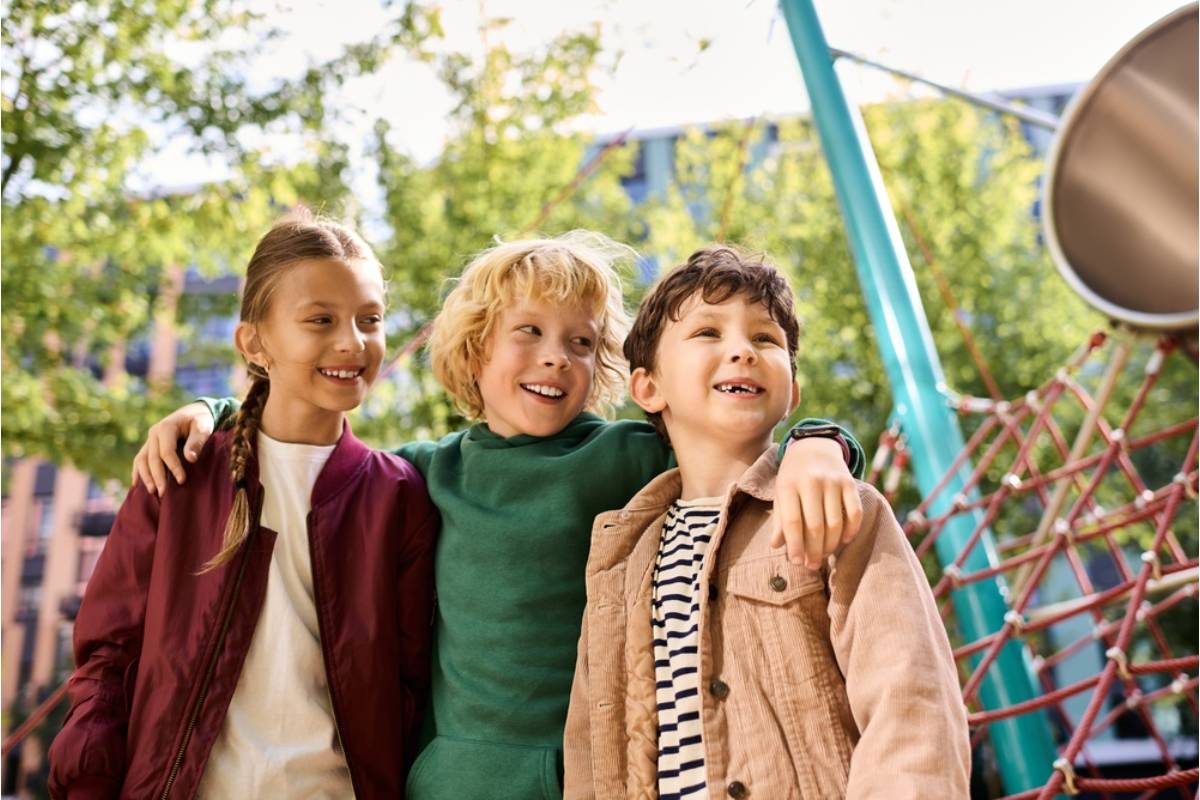
A mom said her son had reached sixth grade with plenty of friends and acquaintances at school. He enjoyed seeing different kids throughout the day, had been invited to several birthday parties, and seemed comfortable around his classmates. From the outside, his social life looked completely normal.
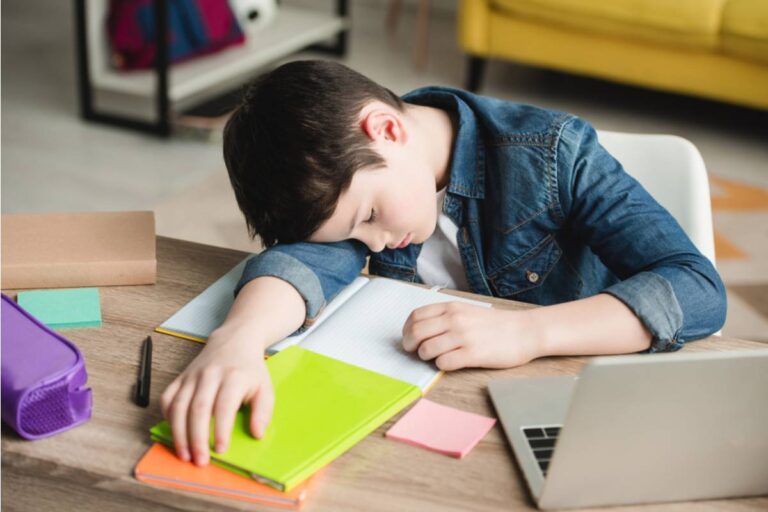
The confusing part came when the school week ended. Her son almost never got invited to a friend’s house on Saturday or Sunday, even though he seemed to enjoy being around other kids. She began wondering whether this was simply how friendships worked at his age or whether something about weekends had changed.
Their Basement Had Become the Hangout Spot
Since her son was their only child, the family had plenty of room in the basement. The space quickly became an easy place for kids to play video games, hang out, and spend an afternoon together without anyone having to worry about keeping younger siblings entertained.
Whenever the mom invited another child over, the other family was usually happy to drop the child off for the day. Her son could have a full afternoon of laughter and games, but the arrangement seemed to work mostly in one direction. When she stopped making the invitations, the social calendar suddenly looked almost empty.
The Mom Started Noticing a Pattern
At first, she wondered whether she was simply overthinking a normal part of middle school. Maybe boys at that age preferred seeing friends during the week and saving weekends for sports, family plans, or downtime. Still, she couldn’t ignore the fact that her son rarely seemed to be the one receiving an invitation.
She said she would love for him to experience the simple excitement of being told to come over to someone’s house. It was not about elaborate sleepovers or big parties. She wanted him to have those ordinary childhood moments where a friend asks, almost casually, whether he wants to come hang out.
Another Parent Said They Had the Same Experience
A response from a person who also had an only child said their family had noticed something very similar. They explained that they handled most of the invitations themselves, including sleepovers, outings, and spontaneous play dates.
That parent said they were comfortable being the family that hosted because they had the mental and financial capacity to do it. Their philosophy was simple: their child got the social time they needed, while other families occasionally got a break. They did not necessarily see the lack of invitations as a rejection.
Their House Became the Place Everyone Knew
That same person shared that their own childhood home had been the place where everyone gathered. Now they were intentionally creating the same kind of environment for their child, and they had become surprisingly comfortable with being the regular host.
There was even an unexpected benefit. The parent said they had family nearby who could help with other responsibilities, which made hosting easier than it might be for another household. Instead of counting how often someone else returned the favor, they focused on making sure their child had opportunities to spend time with friends.
Another Parent Suggested Looking at Social Dynamics
A different response brought up a possibility the mom had not seemed eager to consider. One parent said that when their child stopped getting invited places, they sometimes checked in with a trusted person at school who could give an honest view of the social dynamics.
That did not necessarily mean something was wrong. The parent explained that personality, social skills, and even being more introverted could affect how often children were included. In their case, they had spent time helping their child work on some social habits, and over time the invitations increased.
Sometimes the Problem Was Not the Kids at All
Then the conversation took a turn that offered a much less dramatic explanation. Several parents pointed out that weekends were already packed with sports, errands, work, family responsibilities, and other commitments.
One person said their child had plenty of opportunities to see friends during the week, but weekends were usually consumed by activities. Their middle schooler could spend time with friends after school almost every day, while Saturday disappeared into games and Sunday became the family’s recovery day.
Bigger Families Had a Different Weekend Equation
Parents with multiple children explained that their weekends could look completely different from the mom’s household. One parent described juggling several sports games at different parks, with one child playing at one location while another needed to be somewhere else entirely.
Another person said that when they had multiple children in activities, hosting another child simply became one more thing to coordinate. They might be willing to invite friends over in theory, but once they finally got home, the last thing on their minds was preparing the house for another child.
Some Kids Already Had Plenty of Social Time
One parent pointed out that a middle schooler could have a surprisingly busy social life without ever spending a Saturday afternoon at a friend’s house. Friends could meet during lunch, after school, at sports practices, or at school events.
For the mom’s son, that possibility was important because he already enjoyed seeing classmates throughout the week. His weekends might look quiet simply because most families were using that time differently. A calendar full of weekday friendships did not automatically translate into a weekend full of invitations.
The Mom Still Struggled With the Difference
Even after hearing those explanations, the mom admitted that it was difficult not to compare her son’s experience with her own childhood. She had been somewhat introverted herself but still managed to find friends to spend time with on weekends.
What made the situation especially noticeable was how much her son genuinely enjoyed being around other kids. He loved spending time with his parents, but she could tell that being around children his own age brought out another side of him. That left her wondering whether today’s kids simply had different expectations around friendship.
One Person Believed Childhood Socializing Had Changed
A response from a person who works with children said they had become interested in the broader decline in casual socializing they had observed over the years. They described a noticeable shift from an era when teenagers commonly spent large amounts of free time physically together toward one where social interaction could happen through devices instead.
They did not claim to have an easy solution. Their own approach was to keep inviting friends over and creating opportunities rather than waiting for invitations to appear. The advice was essentially to keep opening the door, even when it felt like the effort was mostly coming from one side.
Then the Conversation Turned Toward Technology
Another response suggested that technology had changed the way children and families think about friendship. The argument was that devices and social media could make it easier to maintain some kind of connection without requiring people to physically gather.
Someone else offered a slightly different observation. They suggested that older generations often learned to use technology to help arrange real-world interactions, while some younger people had grown up using technology as part of the interaction itself. That distinction made the mom’s question feel bigger than one sixth grader’s weekend plans.
But There Was an Even More Practical Explanation
Another person pushed the conversation back toward something much more ordinary: time and money. Some parents might genuinely want their children to have friends over but be working overtime, juggling side jobs, or simply trying to recover from exhausting weeks.
Even a simple sleepover could mean extra meals, supervision, transportation, and a house that needs to be cleaned. For a family already operating at full capacity, an invitation might not be refused because they disliked the child. They might simply never have enough room in their schedule to make it happen.
The Twist Was That the Quiet Weekends Did Not Mean He Had No Friends
As the responses piled up, the mom’s original concern started to look less like a mystery with one obvious answer. Her son had friends at school, enjoyed being around them, had been invited to birthday parties, and could easily have friends over when she arranged it.
The missing piece appeared to be the weekend routine of other families rather than some hidden problem with her son. Many parents seemed to be dealing with packed calendars, sibling schedules, sports, exhaustion, and different ideas about how children should socialize.
Some Families Still Made Friendship a Priority
There were also stories from parents who deliberately made room for their children’s friendships despite busy schedules. One parent described taking close friends along on family vacations, organizing special outings, hosting themed gatherings, and making sure friendships had room to grow beyond the school day.
Over time, those friendships became much deeper than ordinary classroom connections. The parent described their child’s closest friends as feeling almost like extended family, which showed that consistent effort could turn casual childhood friendships into lasting bonds.
The Mom May Have Been Seeing a New Normal
By the end of the discussion, the question was no longer simply whether people hosted gatherings anymore. The bigger issue was how much modern family life had changed the way kids spent their free time.
Her son was not necessarily being left out, and the quiet weekends did not automatically point to a social problem. In many families, friendships were still happening, just squeezed into smaller pockets of time between school, activities, work, family plans, and a desperate need for rest. For this mom, that may have been the reassuring twist she needed, because sometimes an empty Saturday afternoon says far less about a child’s friendships than it seems.