A Mom Says Her Three-Year-Old Daughter Couldn’t Say a Word Yet, Until One Morning She Quietly Showed Her Mom Exactly Where She Had Been

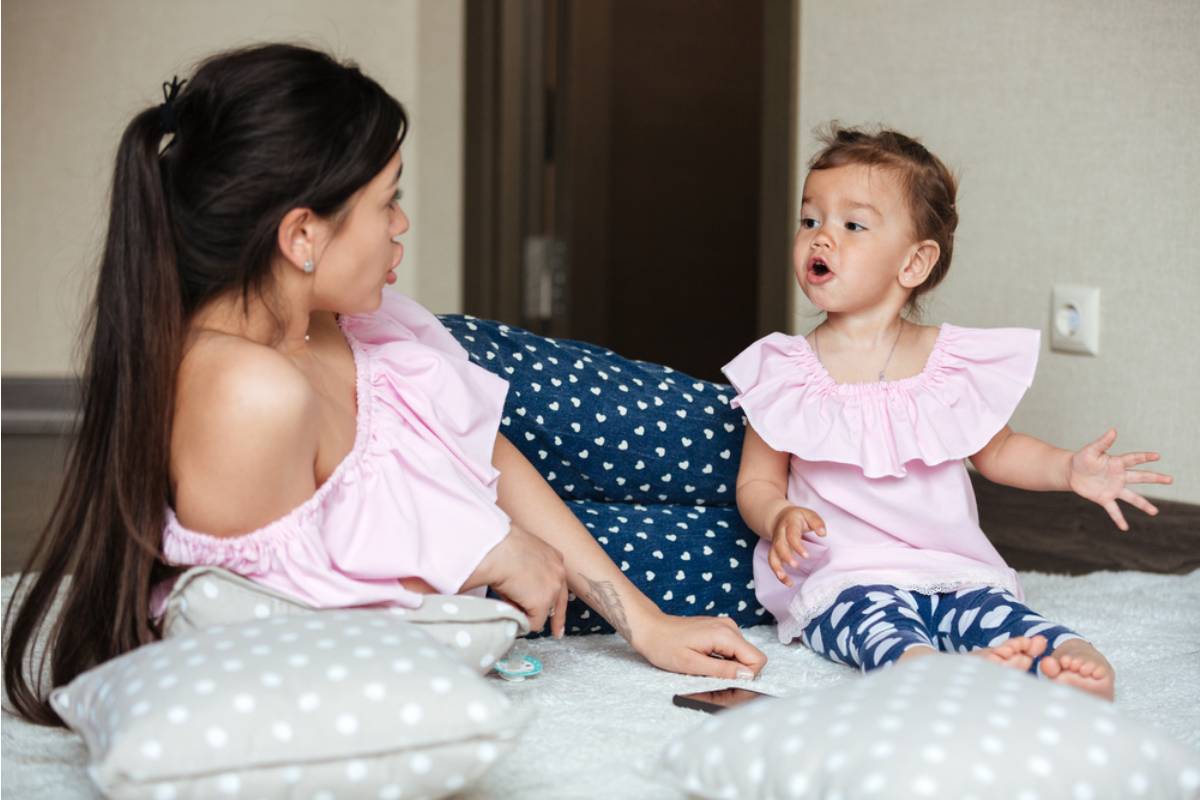
Every weekend, the mom followed almost the exact same routine. She would wake up early, go for a run for about an hour, pick up breakfast for the family, come home, and take a shower. Most mornings, her three-year-old daughter was still asleep by the time she returned.
But one weekend morning, something was different. Her daughter was already awake when Mom walked through the door, and the little girl immediately started marching in place. Mom recognized the movement because her daughter used it to mean “running,” even though she couldn’t say the word.
The Little Gesture That Started Everything
At first, Mom was simply amazed that her daughter knew where she had been. She wondered whether the girl had noticed her running clothes or picked up on conversations about Mom’s weekend routine. Somehow, without being able to speak, her daughter had connected the dots.
It was one of those tiny family moments that suddenly makes you stop and rethink what a child understands. Mom had assumed her daughter might not know exactly what she was doing while she was away. Then one little movement seemed to say, “I know where you’ve been.”
Her Daughter Had Her Own Language
The more Mom thought about it, the more examples came to mind. Her daughter had already developed little gestures for things she wanted to communicate, even though spoken words weren’t available to her yet. When she wanted to indicate rain, she would raise her hand as though holding an umbrella.
When she wanted someone to turn on the light, she pointed toward the ceiling. When she was hungry, she patted her stomach, and everyone in the family understood what she meant. Her communication might not have looked like traditional speech, but it was communication all the same.
A Response From a Person Changes the Perspective
A response from a person pointed out that the girl might be learning and watching far more than her lack of speech suggested. They explained that if marching in place meant “running” to her, then she had already created a way to express an idea. It was essentially her own little sign language.
That response made the moment feel even more meaningful. The daughter wasn’t simply making random movements that happened to amuse her mother. She had attached meaning to an action and expected her family to understand it.
The Advice About Sign Language
Another response from a person suggested trying sign language or a communication board containing pictures and words. They emphasized that communication doesn’t have to be verbal. A different person agreed, saying that sign language could potentially give the child another way to express herself.
Mom admitted that she hadn’t been using formal sign language with her daughter. The suggestion seemed to open a door she hadn’t seriously considered before. Suddenly, the family had another possible way to help their daughter make herself understood.
The Part Mom Hadn’t Expected
Then the conversation took an unexpectedly emotional turn. Mom admitted that sometimes she and the family talked about things her daughter’s cousin could do that she couldn’t. She began wondering whether her daughter understood those comparisons, even though she couldn’t respond verbally.
A response from a person urged her not to discuss those differences in front of her daughter. The person explained that children can understand far more than adults sometimes realize, especially through tone, emotions, and nonverbal clues. What had started as a sweet discovery suddenly became a moment of uncomfortable reflection.
The Comparison Problem
Mom admitted that she would try to control herself, but she also explained why it was difficult. She constantly saw children the same age writing letters and numbers while her daughter was still struggling with things other children seemed to manage easily. The education system itself made comparison feel almost unavoidable.
But the responses pushed her to look at the situation differently. Instead of asking why her daughter wasn’t doing what another child could do, perhaps the better question was what her daughter could already understand and how she was finding ways to show it. The running gesture had been a tiny reminder that progress doesn’t always announce itself with words.
A Response From a Person Shares a Hard Lesson
One response from a person shared a painful experience involving young children being criticized and compared in front of adults. They described how heartbreaking it could be to watch a two- or three-year-old listen quietly while people discussed what the child couldn’t do. The child might not have been able to participate in the conversation, but that didn’t mean the words weren’t reaching them.
That warning landed differently than the original excitement about the running gesture. Mom had been celebrating the discovery that her daughter understood more than expected. Now she was also realizing that understanding could make certain conversations more important to handle carefully.
The Bigger Lesson About Understanding
Another response came from someone who works with children and adults with disabilities. They explained that people with developmental or cognitive differences had taught them surprising lessons about relationships, compassion, curiosity, and everyday life. They also warned against assuming that someone’s abilities can be measured simply by what they can demonstrate outwardly.
The person described their experiences as discovering “worlds within worlds” inside someone’s internal processing. That idea fit strangely well with Mom’s morning. Her daughter couldn’t tell her in words that she knew Mom had gone running, but she had found another way to reveal that she understood.
A Parent Discovers Receptive Language
A different person shared an experience with their own son, who eventually began speaking in short sentences around the age of six or seven. When that happened, the family realized he had understood dramatically more than they had assumed while he was nonverbal or minimally verbal. His ability to understand language had been much stronger than his ability to demonstrate it.
That distinction suddenly gave Mom’s experience another layer. Her daughter’s inability to speak didn’t necessarily tell the whole story about what was happening inside her mind. Sometimes the evidence appeared in gestures, reactions, routines, and tiny connections that adults could easily overlook.
The Therapist Conversation
Then came the most complicated part of the discussion. Mom revealed that her daughter’s speech therapist had essentially given up, and that the therapist had previously tried withholding things the child wanted until she said what she wanted. According to Mom, the approach had not worked particularly well.
Responses from people strongly questioned that approach. Several encouraged Mom to seek another professional opinion and explained that alternative communication tools aren’t simply about forcing a child to speak. Instead, they can provide a way for someone to communicate without making speech the price of getting their needs understood.
Mom Wonders If It Is Too Late
After hearing all that advice, Mom asked a surprisingly simple question. Her daughter was already three, so she wondered whether it was too late to change therapists. The question revealed how quickly the morning’s little running gesture had turned into something much bigger.
A response from a person made the answer clear: three was not a reason to stop looking for better support. The conversation had started with Mom wondering how her daughter knew she had gone running. Now she was thinking about how many other things her daughter might understand that nobody had yet found the right way to uncover.
The Tiny Gesture Meant Something Bigger
By the end, the original moment seemed almost magical in its simplicity. Mom came home after her usual run, expecting another ordinary weekend morning, and her daughter immediately acted out “running.” She had no spoken word for it, but she had a concept, a memory, and a way to communicate both.
The twist was that the running gesture wasn’t merely proof that the little girl understood where her mother had been. It also showed her mother that there might be an entire layer of understanding happening quietly beneath the surface. For a child who couldn’t yet tell her family what she knew, that tiny march in place may have been one of the clearest messages she had ever delivered.