A Mom Says Her Toddler’s Babysitter Started Slipping on the Basics, So She Quietly Installed Cameras in Every Room

A person shared his story about a babysitter who had been part of his family’s routine for more than a year. At first, everything seemed to work well, and the sitter had earned the family’s trust while caring for their toddler. But over the last two or three months, small problems had started piling up, leaving the parent wondering whether the quality of care was quietly getting worse.
The family was paying the babysitter nearly $40 an hour, a rate chosen partly because they were matching what she earned in her nursing job. That generous arrangement had once felt worthwhile because the parent believed the toddler was getting attentive care. Lately, however, the parent began noticing details that were difficult to ignore.
The First Warning Sign Came With a Very Full Diaper
One of the biggest concerns involved the toddler’s diaper. The parent explained that the child drinks and urinates frequently and usually needs a change every hour to an hour and a half. Yet on two recent occasions, the parent arrived home after giving the babysitter several minutes of warning and found the diaper so full that it had leaked through the toddler’s pants.
What made the situation more unsettling was that the diaper had not even been changed before the parent walked through the door. In one case, the babysitter appeared to be dealing with it only as the parent arrived home. That left the parent wondering whether the child was being watched closely throughout the day or simply left until something became impossible to miss.
Then There Was the Phone Problem
Another issue had been much harder for the parent to measure but just as frustrating. The parent believed the babysitter was spending too much time on her cellphone while working. The babysitter had also openly admitted that she had been FaceTiming her mother during work hours.
That detail changed the way the parent viewed some of the other incidents. Suddenly, the forgotten diaper and limited interaction with the toddler seemed less like isolated mistakes and more like signs that attention might be drifting. Still, the parent did not want to accuse her of being careless without knowing exactly what was happening.
The Toddler Was Sometimes Left in the Playpen
There was another scene that kept bothering the parent. On some occasions, the parent came home to find the babysitter sitting on the couch while the toddler was zipped inside a playpen surrounded by toys. A playpen itself was not considered a problem, especially when a caregiver needed to step away for a moment.
The concern was that the babysitter was there specifically to supervise and interact with the child. If the toddler could safely be out playing while the babysitter sat nearby and engaged with him, the parent could not understand why the child was spending so much time contained. It was another small moment that added to the growing suspicion that the sitter was doing the minimum.
Even the Mess After Lunch Became Part of the Problem
Then came a much less serious issue that somehow made everything feel bigger. The parent returned home one day to find the toddler’s bib apron still covered in pasta sauce from the meal. With the family paying such a high hourly rate, the parent felt that cleaning up after a meal was hardly an unreasonable expectation.
The parent also explained that the babysitter had once been much tidier and more attentive about these things. That made the sudden change especially confusing. It was not simply about a dirty bib, but about watching a standard that had once been consistently met slowly disappear.
The Television Question Added Another Layer of Doubt
The parent had also made the family’s feelings about television very clear. The babysitter had been told that the goal was to keep screen time to a minimum and only turn on the television when the toddler was having an unusually difficult day and could not settle.
The problem was that the parent had no idea how often the television was actually being used. There was no obvious way to know how much of the day was spent playing, interacting, or simply watching a screen. That uncertainty became especially uncomfortable because so many other details already seemed off.
The Parent Was Not Ready to Fire Her
Despite everything, the parent was not looking to immediately end the arrangement. Finding dependable childcare had already been difficult, and the family was in the process of searching for additional help anyway. The parent admitted that replacing the babysitter immediately could create another problem before a solution was ready.
There was also an important emotional piece to the situation. The parent said the babysitter had been around long enough that they knew she would never intentionally hurt the child. The fear was not about deliberate harm, but about whether laziness, distraction, or declining effort had quietly become the new normal.
So the Family Installed Cameras in Every Room
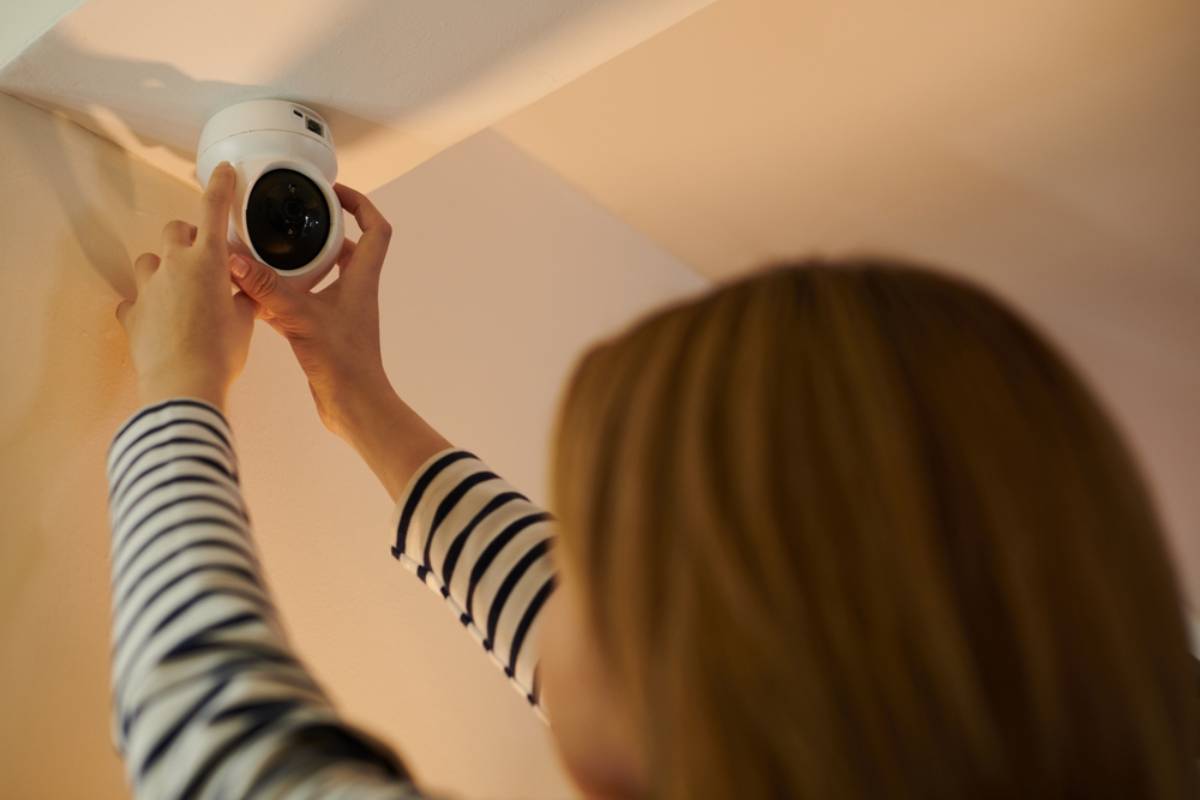
Eventually, the parent decided to install cameras throughout the house. The cameras were visible rather than hidden, and the parent planned to tell the babysitter about them before they were used. The goal was not described as constant surveillance, but as a way to check in and finally understand what was happening during the hours when the parent was away.
There was also a practical reason for the timing. The family expected to have new babysitters come in for trial days, so having cameras already in place seemed useful during that transition. The parent hoped that simply knowing the cameras were there would encourage everyone working in the home to stay attentive.
Then the Husband Raised a New Concern
Just when the camera issue seemed straightforward, the parent revealed a complication at home. The husband was uncomfortable with the idea of cameras being connected to the internet and worried that someone could potentially hack into the family’s Wi-Fi and watch them. Because of that concern, the cameras had initially been pointed downward when no sitter was present.
The parent planned to flip them back up whenever someone was babysitting. That created a new question that had nothing to do with childcare itself. What would happen if the babysitter objected to the cameras by making the same privacy argument the husband had already made?
A Response From a Person Suggested Keeping the Explanation Simple
A response from a person suggested there was no need to turn the conversation into a long explanation. The basic idea was to say the family had installed cameras because new people would be coming into the home and the parents wanted them there for safety. It was simple, professional, and avoided turning the conversation into a list of accusations.
That approach appealed to the parent because confrontation was already difficult for them. Rather than saying, “I think you’re ignoring my son,” the camera conversation could focus on a new household policy. The hope was that the cameras could provide clarity without immediately creating a showdown.
Other People Thought Her Reaction Would Reveal Everything
Several responses from people focused on how the babysitter might react. One person pointed out that a professional caregiver could reasonably decide that they simply did not want to work in a home with cameras. In that case, the family would have an answer without ever having to argue over every diaper, television show, or forgotten bib.
Another response from a person went even further and said that moving or turning down the cameras would be a serious warning sign. From that perspective, the important thing was not whether the sitter liked being monitored, but whether she respected the family’s rules once she knew the cameras were there. The parent suddenly had a very simple test on their hands.
A Few People Told the Parent to Stop Avoiding the Hard Conversation
Not everyone thought cameras were the real solution. A response from a person argued that the parent needed to become more direct about expectations, including phone use, television, interaction with the toddler, and cleanup after meals. The point was that a camera could show what was happening, but it would not replace a conversation between an employer and an employee.
Another response from a person put the issue even more bluntly by suggesting that the parent already had enough information to be concerned. After all, the parent had noticed several changes over a period of months and had already reminded the babysitter about diaper changes. The cameras might provide proof, but they could also delay a conversation that probably needed to happen anyway.
The Most Surprising Part Was That the Babysitter Used to Do Better
The detail that seemed to confuse the parent most was that this was not always how the babysitter behaved. According to the story, she had once been tidy, attentive, and reliable, which made the recent decline much harder to explain. Something had apparently changed, but the parent did not know what.
That uncertainty left the parent stuck between two possibilities. Maybe the sitter had genuinely become distracted and was cutting corners, or maybe the parent was noticing a handful of bad days and allowing suspicion to fill in the blanks. Either way, the cameras were no longer just about catching someone doing something wrong.
Now the Cameras Could Finally Show What Was Really Happening
In the end, the parent seemed less interested in punishment than in certainty. They wanted to know whether their toddler was spending the day playing, talking, and being cared for properly, or whether the babysitter was spending too much time on her phone while the child sat nearby with toys or a screen. The cameras offered a way to observe the routine without guessing.
The twist was that the parent might not need a dramatic incident at all. A normal afternoon could tell the whole story, whether it showed a caring babysitter who had simply slipped up or confirmed that the family’s concerns were justified. After months of wondering what was happening behind closed doors, the next few days could finally give the parent the answer they had been too uncomfortable to ask for directly.