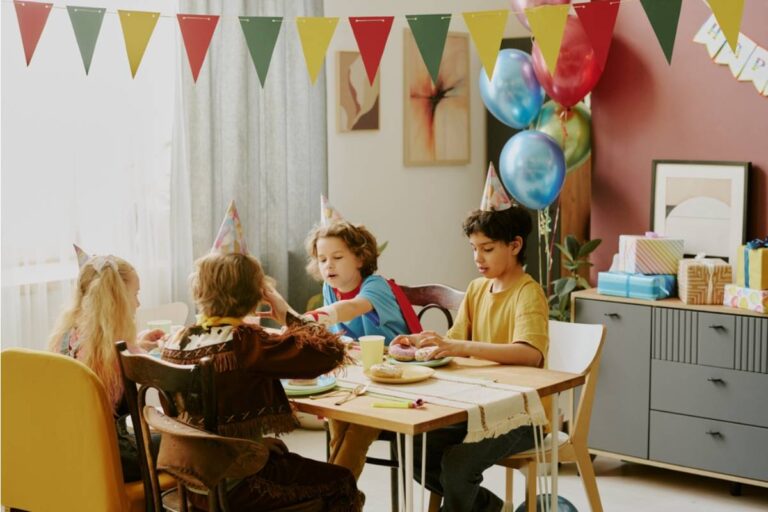
A Parent Says His Almost 6-Year-Old Suddenly Started Saying “No” to Everything, Then Realized There Might Be More Behind It

A person shared his story about life with his almost 6-year-old son, and lately, nearly every ordinary request had turned into a showdown. Brushing teeth, getting dressed, leaving the house, turning off the television, and going to bed had all become opportunities for an immediate “No!” The child was also preparing to start school, while at home he had three younger siblings, including a 3-year-old, a 1-year-old, and a baby.
At first, the parent wondered whether this was simply a difficult developmental phase or something more serious. The behavior had been especially intense for about two weeks, and the constant resistance was wearing everyone down. What made it harder was that the parent was trying to stay calm, explain expectations, and use consequences, yet the battles kept appearing in almost every part of the day.
The Defiance Seemed To Come Out Of Nowhere
The parent described his son as suddenly testing practically every boundary available to him. A simple request could turn into a negotiation, and a transition from one activity to another seemed especially likely to trigger resistance. Even when the child eventually did what was asked, getting there often involved a frustrating back-and-forth.
The timing made the situation particularly exhausting because the family was already approaching a major transition. Starting school was just around the corner, and the household also included several much younger children. Instead of one obvious explanation, there seemed to be several possible sources of stress happening at the same time.
Even Ordinary Routines Became Battles
Brushing hair and brushing teeth were no longer simple parts of the morning or evening routine. Bedtime had become another battlefield, with the child finding new ways to delay getting under the covers. The parent could give a familiar instruction that had worked dozens of times before, only to receive another confident refusal.
The bedtime routine showed just how quickly a small disagreement could become a full negotiation. After brushing his teeth, the child might disappear under the bed instead of getting into it. When told there would be no story until he got into bed, he suddenly insisted that the story should happen first.
Leaving Fun Places Was Especially Difficult
Transitions were not limited to bedtime. At a party, the parent gave his son a five-minute warning before it was time to leave, and everything appeared fine until the family actually reached the car. Suddenly, the child refused to go home.
Eventually, he got into the car, but only after another battle. The parent had already discovered that arguing immediately tended to make these moments worse, so he had started taking a pause before responding. That small change helped sometimes, although avoiding every conflict was impossible when the family genuinely needed to move on.
Losing Privileges Had Not Solved The Problem
The parent had also tried connecting behavior to privileges. He explained that fun activities could be affected when the child refused to follow basic rules at home. For example, the child lost access to his bike for a week after riding outside the yard immediately after being told not to.
There was even a short period when the approach seemed successful. After a serious conversation about how privileges would be affected by behavior, the child improved for a day. Then the defiance returned, leaving the parent wondering whether consequences were actually addressing the problem or simply creating another source of conflict.
One Response Suggested Earning Instead Of Losing
A response from a person suggested changing the entire approach from losing privileges to earning them. Instead of constantly telling the child what would be taken away, the parent could give him opportunities to earn stickers, pom-poms, praise, or another small reward for following directions. The idea was to gradually reinforce the behavior the family wanted to see.
The response also introduced a surprisingly playful idea. The parent could set a timer and let the child be “the boss” for five minutes, allowing him to give ridiculous instructions while the adults enthusiastically played along. The child would get a safe opportunity to control the situation, which might help satisfy some of that constant urge to be in charge.
The Child Immediately Liked The Boss Game
The original parent liked the idea almost immediately. He said his son would probably love the boss game, especially because it gave him a chance to experience authority without actually controlling important family decisions.
The conversation also turned toward the proposed reward system. The parent had previously considered putting the children’s names on a board and giving them stickers for good behavior, but his partner worried that the children might compare themselves and start connecting their worth to the number of stickers they had. A system focused on each child’s individual progress seemed more appealing.
Several People Wondered About The New Baby
Another response from a person focused on something easy to overlook in a busy household. The family had several young children, including a baby, and the older boy might be struggling with the enormous amount of attention naturally required by younger siblings.
The suggestion was not that the child was deliberately misbehaving for attention. Instead, his behavior could be communicating something he did not yet know how to explain. One-on-one time, a special activity, or simply having private space away from the younger children could give him a way to feel like the big kid rather than just another child competing for attention.
School Could Change More Than Expected
The upcoming start of school was another major clue. A response from a person pointed out that children can become particularly unsettled before a major transition, even when they are excited about it. Kindergarten means new rules, new adults, new classmates, new routines, and long stretches of being expected to manage themselves.
Another person explained that their own children often became difficult during the weeks surrounding the return to school. The behavior could settle once the uncertainty disappeared and the new routine became familiar. That possibility gave the parent something important to consider before deciding that his son’s personality had suddenly changed.
Transitions Seemed To Be The Biggest Trigger
One of the clearest patterns in the story was that the child often struggled when something was ending. Leaving a party, shutting off the television, going to bed, or stopping one activity to begin another all required him to give up something he was currently enjoying.
A response from a person suggested using multiple warnings before transitions. Instead of announcing a change at the last possible moment, the parent could give reminders at fifteen minutes, five minutes, and shortly before the transition. Offering two acceptable choices could also give the child a small amount of control without changing the final expectation.
Arguing Could Be Feeding The Problem
Another response from a person raised a deceptively simple point: the parent did not always have to respond to the first “No.” Sometimes a child might say no automatically and then move on if the adult did not turn the moment into a debate.
The parent admitted that he had previously jumped straight into arguments, but he had started trying to pause and assess the situation. He noticed that arguing back could make everything dramatically harder. In some situations, ignoring the initial protest and calmly redirecting the child seemed to prevent the conflict from becoming bigger.
One Parent Shared A Different Strategy
A particularly detailed response described a strategy built around giving one clear instruction instead of repeating it over and over. The parent said repeating instructions could accidentally teach a child that the first few requests did not really matter. Instead, the adult would make sure the child was paying attention, give the direction, and then calmly follow through.
The same response emphasized staying calm when the child became upset. Rather than expecting a young child to consistently manage impulses and future consequences like an adult, the parent described helping the child complete the task while still teaching better habits. The goal was not to win an argument but to keep the routine moving.
Doing Difficult Tasks Together Could Help
The response also suggested turning recurring struggles into shared activities. If brushing teeth constantly caused conflict, everyone could brush their teeth together. If bedtime was difficult, the parent could participate in the routine instead of standing outside it and repeatedly giving instructions.
That approach could also make the routine feel less like an order being imposed on the child. Children often respond well when adults model the behavior they want to see. A difficult task can sometimes become easier when the parent joins in instead of simply demanding that the child do it alone.
Positive Attention May Matter More Than Punishment
Another theme running through the responses was the importance of noticing the behavior that went right. One person described using a magnetic star system where the child earned recognition for completing daily responsibilities or demonstrating behavior the family wanted to encourage.
The reward did not have to be something expensive or elaborate. Filling the chart could eventually lead to a special activity chosen by the child, while ordinary praise could reinforce good behavior along the way. The larger idea was to make cooperation something the child could actively work toward instead of making the entire day about avoiding punishment.
The Older Child Might Need More One-On-One Time
With three younger siblings in the house, the almost 6-year-old may have been living through a particularly complicated stage. He was old enough to understand that babies and toddlers required attention, but still young enough to crave plenty of attention himself.
One response from a person suggested setting aside regular one-on-one time without siblings, phones, or distractions. Another suggested activities such as scouting or organized sports, where the child could receive structure while also getting dedicated attention from a parent. Those moments could give him a positive outlet for independence instead of forcing him to seek control through arguments.
Some Responses Warned That School Could Make Things Worse First
There was also an important caution from a response from a person who had seen children behave beautifully at school and then completely fall apart at home. Some children work extremely hard to follow rules, concentrate, and regulate themselves throughout the school day. By the time they get home, they may have very little emotional energy left.
That meant the family might see either improvement or a temporary increase in difficult behavior once school started. The child could appear perfectly well-adjusted to his teacher while releasing all of his frustration at home. If the behavior became significantly worse, communicating with the teacher or school counselor could help the adults understand what was happening across both environments.
The Parent Was Already Changing His Approach
Despite feeling overwhelmed, the parent had already started making some meaningful adjustments. He was no longer automatically arguing with every refusal, and he was trying to diffuse situations instead of turning each “No” into a contest of wills. That showed that he was not simply looking for a harsher punishment.
The responses also gave him several ideas that fit together better than a single punishment system. Transition warnings, limited choices, positive reinforcement, one-on-one attention, calm follow-through, and playful opportunities for control could all address different pieces of the problem. None of them promised instant results, but together they offered a more balanced way forward.
The Biggest Clue May Have Been The Timing
The most interesting part of the story was how many major changes surrounded the behavior. The child was almost six, preparing to start school, living with three younger siblings, and apparently entering a period where independence was becoming increasingly important. What looked like simple defiance could therefore have been a mixture of developmental testing, stress, attention-seeking, and difficulty with transitions.
That did not mean every behavior had to be accepted. Safety rules still mattered, especially when the child ignored instructions about where he could ride his bike. But the responses suggested that understanding the reason behind the behavior could make discipline more effective than simply adding bigger consequences.
This Phase Could Be Temporary
Several people reassured the parent that this kind of boundary testing can happen around this age. Children are learning how much control they have, what happens when they push limits, and how adults respond when they refuse. It can be exhausting without necessarily meaning that something is fundamentally wrong.
The upcoming school year might eventually provide the structure the child needs. It could also introduce new challenges before things improve. Either way, the family had an opportunity to watch for patterns rather than treating every difficult moment as an isolated act of disrespect.
The Real Goal Was Not To Win Every Battle
At the center of the discussion was a familiar parenting problem: a child can be too young to consistently regulate himself but old enough to strongly demand independence. The parent wanted his son to listen, respect boundaries, and follow instructions, but he also wanted to avoid spending every day locked in arguments.
A response from a person captured that tension by encouraging adults to remember that young children do not always have the impulse control or executive functioning to handle future consequences the way adults expect. The parent still has to hold the boundary, but he can do that without turning every refusal into a personal confrontation. Sometimes the quietest response is also the strongest one.
What Started As “No” Might Become A Lesson In Independence
The family was facing a challenging stretch, but there was a hopeful twist hidden inside it. The boy’s relentless insistence on doing things his own way could eventually become part of the independence he would need at school and beyond. The task for his parents was learning how to give that independence room to grow while keeping the boundaries firm.
For now, the household may still have plenty of dramatic exits, bedtime negotiations, and automatic refusals. But the parent had already begun noticing what made the battles worse and what helped them settle down. With school approaching and several new strategies to try, this exhausting phase may eventually become one of those childhood chapters the family remembers with a mixture of frustration, laughter, and relief.