A Woman Says Her Cousin Refused to Pay $300 So Her 4-Year-Old Could Sit With the Family on a Flight, and a Family Argument Turned Into Something Much Bigger

A person shared her story after a family conversation about an upcoming flight turned into a heated argument she never expected. She was visiting extended family during a holiday weekend when her 32-year-old cousin, Taylor, brought up plans for a trip to Florida in October. Taylor would be traveling with her husband and their two children, who were four years old and one year old.
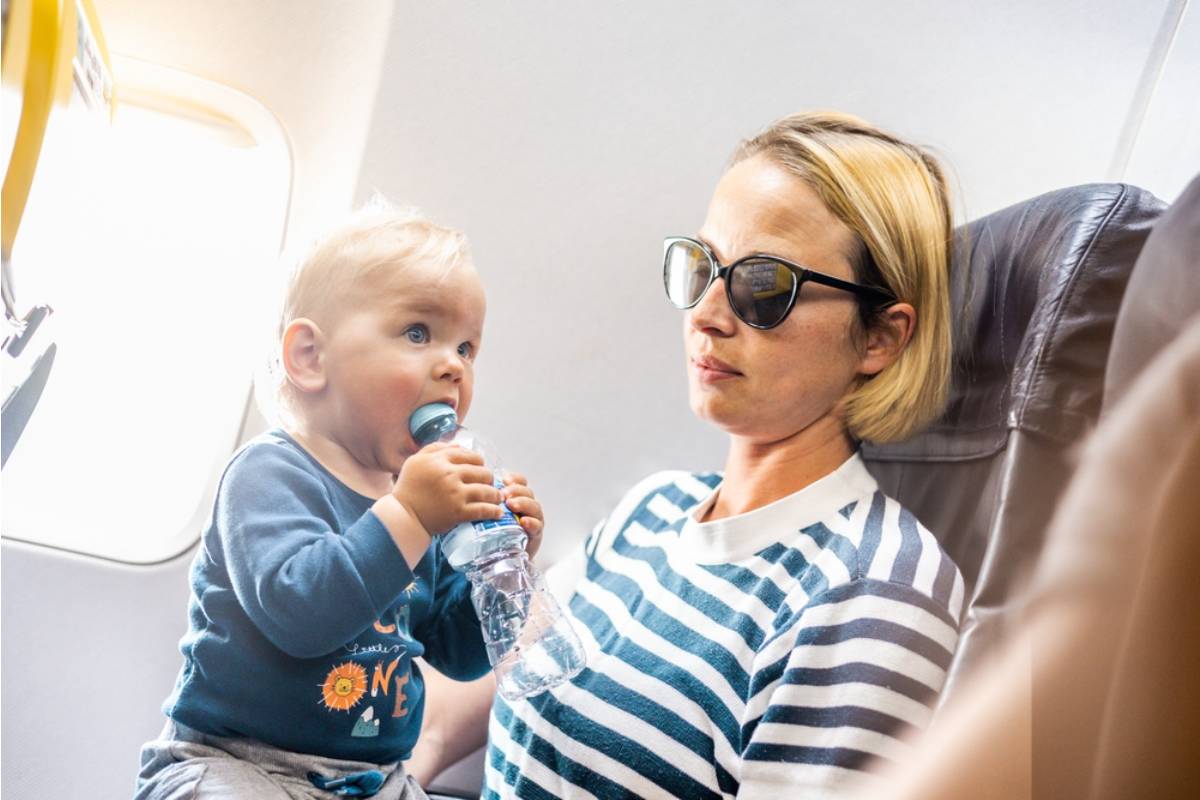
Taylor had already bought the plane tickets, but she had not decided whether to pay another $300 to select seats together. The one-year-old would be sitting on a parent’s lap, while the four-year-old could potentially be assigned a seat somewhere else. Taylor was worried about that possibility, but she also did not want to spend the extra money.
Taylor Had Another Plan in Mind
Taylor asked the person what she thought the family should do, explaining that she was considering simply asking a stranger to switch seats. She seemed to view the extra fee as unnecessary because someone might willingly trade places once they saw that a young child was involved. The person listening to her wanted to understand exactly what she planned to do before answering.
She asked Taylor to explain the situation in detail because she wanted her cousin to think through what could actually happen on the flight. Taylor repeated that she was a mother with children and questioned why a stranger would not simply move for her. That was the moment the conversation started heading in a very different direction.
The Person Pointed Out One Important Detail
The person told Taylor that strangers had paid for their own seats and therefore could decide whether they wanted to give them up. She explained that while someone might voluntarily switch seats as a favor, it should not be treated as something guaranteed. Her main concern was that Taylor was planning the trip around the kindness of someone she had never met.
Taylor continued bringing up the fact that she was a mother, almost as though being a parent automatically gave her a stronger claim to another passenger’s seat. The person asked what being a mother had to do with a complete stranger who had purchased a seat for themselves. That question did not settle the matter, because the argument was only getting started.
The Family Saw Kindness Differently
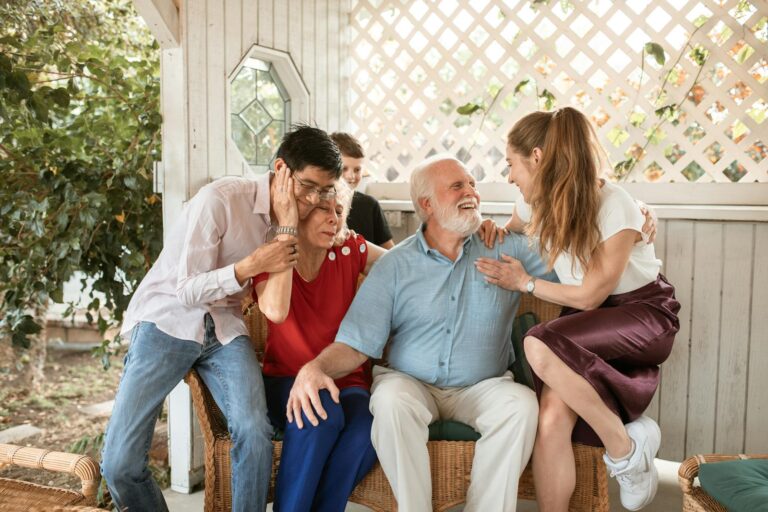
Taylor’s mother and grandmother soon joined the conversation and took a different position. They argued that a good and kind person would simply give up their seat if a parent and child needed to sit together. The person agreed that making the switch could certainly be a generous gesture, but she did not believe refusing automatically made someone unkind.
She tried to separate kindness from obligation, pointing out that passengers might have paid extra for a specific seat or had personal reasons for wanting to remain where they were. In her view, there was nothing wrong with asking politely, but expecting a stranger to say yes was another matter. She emphasized that families should make travel arrangements based on what they could control rather than what a stranger might generously offer.
The Four-Year-Old Became the Center of the Debate
The discussion became more dramatic when everyone started talking about the four-year-old potentially sitting somewhere else on the plane. The person believed that a child on a flight lasting about an hour and forty-five minutes did not automatically create an emergency. Her relatives, however, spoke as though the situation would be nearly impossible unless someone immediately surrendered a seat.
She kept returning to the same point: Taylor had the ability to solve the problem by paying for the seats. She was not being forced into an impossible situation, and the family was not dealing with an unexpected crisis. The disagreement was really about whether the cost should be paid by the parent or shifted onto another passenger.
Then Came the Question About Giving Up a Seat
At one point, the family asked the person what she would personally do in the same situation. She explained that she would give up her seat if Taylor were asking her because Taylor was her cousin and she had a personal relationship with her. That answer, however, was not what her relatives wanted to hear.
They immediately changed the question and asked whether she would give up her seat for a complete stranger. She said that her own personal choice was beside the point because she was trying to answer the original question realistically. A stranger might happily switch, but another stranger might not, and both choices could be reasonable.
The Conversation Took a Religious Turn
The disagreement became even more complicated when the grandmother brought religion into the conversation. She encouraged everyone to remember the idea of treating others with kindness and asked what Jesus would do in the same situation. The person, who had grown up Christian, said she believed Jesus would probably help someone in need.
But she also believed that helping someone and teaching them responsibility could happen at the same time. She suggested that Jesus might give up His seat while also telling the parent not to expect strangers to solve a problem they could solve themselves. That answer did not calm things down, and the religious argument only pushed the conversation further away from the original airplane question.
A Story About the TSA Line Somehow Entered the Argument
Taylor’s mother then brought up an unrelated incident from several years earlier. She remembered being in a TSA line when two lines had to merge and an older woman became confused about where she belonged. She said she allowed the woman to move ahead of them and later something positive happened to their family.
The person said she had trouble following the story because her aunt and grandmother were becoming increasingly animated during the conversation. Still, the story seemed to be offered as proof that kindness would eventually come back around. For them, that appeared to support the idea that giving something up for another person was always the right choice.
The Advice Became Even More Confident
Taylor’s mother eventually gave her a clear recommendation: do not buy the seats because someone would switch. She even suggested that nobody would want to sit next to a child anyway, which she saw as another reason Taylor could simply rely on a seat swap. The person countered that some passengers might not care because they could spend the flight wearing noise-canceling headphones.
The deeper issue remained unchanged. Even if a stranger happened to agree, Taylor would still be relying on someone else’s willingness to help. The person believed that was an unnecessary gamble when the family had the option to make sure they would be seated together before boarding.
The Argument Shifted From Airplanes to Personal Property
At some point, the grandmother made a broader statement that changed the entire conversation. She explained that she believed a good person should give a stranger something they asked for, even when the item belonged to them. Taylor and her mother appeared to agree with her.
The person was stunned by how far the argument had traveled. She asked whether it was not entitled to expect another person to hand over their property simply because the request seemed reasonable to the person asking. Instead of reconsidering, her grandmother called her entitled for believing that she had a right to keep her own belongings.
Grandma Had a Real-Life Test Coming
The strangest part was that the grandmother had her own flight the next morning with the grandfather. They had also chosen not to pay for seats together. When the person pointed this out, the grandmother openly admitted that she expected a stranger to move so that she and her husband could sit together.
She even said they should do it because they owed her that kindness. When asked what she would do if the stranger refused, she said she would use the same argument about being a good person and showing kindness. That answer made the earlier discussion feel much less theoretical.
The Family Argument Finally Exploded
By then, the conversation was no longer a calm disagreement about airline seating. Voices were raised, and the person was called hard-headed, mean, rude, and entitled. She tried to explain again that she was not arguing against kindness, but against treating kindness as something another person was required to provide.
Eventually, she decided the conversation was going nowhere and stopped engaging. She told the family that they were clearly missing the point and that she was finished talking about it. The relatives continued criticizing her, and nobody spoke to her for the rest of her visit.
The Next Day Brought a Surprising Discovery
The story took an unexpected turn the following afternoon when the person called another cousin who had been raised by the same grandparents. This younger cousin was 18 and immediately became embarrassed after hearing what had happened. She also had a piece of information that suddenly made the argument much more interesting.
The grandparents had sent her a selfie taken while they were boarding their flight. They were sitting beside each other, which meant they had apparently managed to get seats together. The younger cousin quickly connected the dots and realized that the stranger her grandparents had been relying on had apparently moved for them after all.
Then Her Mother Came Home From Overseas
Later that day, the person’s mother returned from an overseas trip. She works as a flight attendant, so the person told her about the entire disagreement and asked what actually happens when families are separated on airplanes. Her mother explained that passengers can sometimes work with gate agents to rearrange seating, but nobody should assume that another traveler will be forced to surrender a seat.
She also explained that flight attendants and gate agents generally cannot simply order someone to move for a family. A passenger can be asked, but that passenger can still refuse. That information gave the situation another layer because there were more options available than the family had been discussing that night.
Taylor Quietly Changed Her Mind
The mother then spoke directly with Taylor and explained why paying for seats together would provide much more certainty. Taylor listened and eventually revealed that she had already purchased seats together. The decision was made less than twenty-four hours after the original family argument.
That detail left the person and her mother exchanging a knowing look. The person had spent the previous night being criticized for suggesting that Taylor should simply pay for the seats. Yet by the next afternoon, Taylor had apparently decided to do exactly that.
Her Mother’s Reaction Was Bigger Than Expected
The person’s mother was also upset about the way the family had treated her during the argument. She was particularly angry that the disagreement had escalated into yelling and name-calling over something that began as a straightforward question about airplane seats. She told her daughter not to stop by her aunt’s house on the way home from work as she normally did.
She also advised her not to contact the relatives and not to respond immediately if they reached out. According to the person, this reaction was unusual because her mother was normally not someone who became angry easily. The seriousness of that response made it clear that the situation had gone far beyond a disagreement about airline seating.
The Church Argument Came Back Around
There was one final irony that the family could probably not have planned. The person said she was the only one involved in the original room who did not regularly attend church, while her grandparents attended twice a week and her grandfather was a pastor. Her mother pointed out that, despite that difference, she felt the daughter had shown the kind of behavior the family had been talking about all evening.
The point was not really about religion anymore. It was about the difference between choosing to be kind and believing another person owes you something because kindness demands it. The airplane seats had simply become the strange little stage where that disagreement finally became impossible to ignore.
People Had Plenty to Say About the Situation
A response from a person pointed out that airlines sometimes help families rearrange seats at the gate, especially when young children are involved. Another person described paying extra for an aisle seat and said they would not automatically want to surrender it for free simply because another traveler wanted to save money. Several people agreed that asking politely is different from boarding a plane assuming another passenger will fix the problem.
Some responses also focused on the child’s experience rather than the adults’ disagreement. One person said they would probably switch if the alternative created a genuinely difficult situation for a four-year-old, while another noted that a child sitting beside strangers could create stress for both the child and the passengers. Even among those who were sympathetic toward the family, the general discussion kept returning to the same practical point: parents should make a reasonable effort to solve the seating issue before relying on strangers.
One Passenger Shared an Especially Awkward Flight Story
A response from a person recalled sitting on a long flight when a very young girl ended up in the middle seat between two unrelated adults. The child eventually fell asleep and used one passenger’s leg as a pillow while her feet rested against the other passenger. The situation turned out to be an airline seating mix-up rather than a parent intentionally separating the child from an adult.
That story highlighted why some people might willingly help in these situations when they can. At the same time, another response described being asked to move from a desirable exit-row seat so a family could sit together, only for the family to insist they wanted that particular premium location instead of the seats offered at the back. The gate agent explained that the child could not occupy the exit row, turning an ordinary seat swap into a surprisingly awkward standoff.
The Family Still Has Not Reached Out
Two weeks after the original argument, the person said she still had not heard from that side of the family. The airplane trip itself had apparently been resolved, but the family disagreement was still hanging over everything. What began as a question about whether to spend $300 had turned into a much larger argument about manners, responsibility, kindness, property, and expectations.
The person admitted that she probably would have avoided answering the original question entirely if she had known how quickly the discussion would spiral. Instead, a simple conversation about four seats on a flight exposed a major difference in how several members of the family understood kindness. And somehow, before the story was over, the very people insisting that strangers should give up their seats had ended up depending on that exact favor themselves.