Baby Adnan Was Having About 110 Seizures a Day. An Experimental Drug Stopped Them Within 30 Minutes.

From the first days of his life, a baby boy named Adnan was having a seizure roughly every 13 minutes. That added up to about 110 a day. Seven earlier treatment approaches had failed to bring them under control.
On Sept. 14, doctors at King’s College Hospital London in Dubai gave him the first dose of an experimental oral drug called ABS-1230. They report his seizures stopped within 30 minutes, according to the Khaleej Times. He went home a week later and, as of Nov. 2, remained seizure-free, Good News Network reported.
A rare genetic epilepsy that would not let up
Adnan has a rare genetic form of epilepsy. His age and his parents’ names have not been made public, and the reports do not name the specific gene variant involved. What has been reported is the pace of his seizures: about one every 13 minutes from birth.
Epilepsy is a brain disorder in which groups of nerve cells sometimes send the wrong signals and cause seizures, according to the National Institute of Neurological Disorders and Stroke. Genetic changes can play a key role in some types, and researchers estimate hundreds of genes could be involved. Some epilepsies are linked to variations in genes that encode ion channels, which help control the electrical signals nerve cells send.
The Epilepsy Foundation says nearly 1,000 genes have been established as playing a role in epilepsy. Spontaneous genetic changes, which may not show up in either parent, are common in children whose epilepsy starts early and resists treatment.
For most people with epilepsy, medicine works. More than 40 antiseizure medications are available, and most seizures can be controlled with one drug, NINDS says. Adnan was not one of those children.
An experimental drug, given under special approval
ABS-1230 targets abnormal activity in an ion channel linked to Adnan’s form of epilepsy, the Khaleej Times reported. It is still being studied in clinical trials and is not approved for commercial use.
King’s College Hospital London in Dubai applied to use it, and the Dubai Health Authority approved the request through a compassionate use pathway, Good News Network reported. Citing the developer’s data, the outlet said Adnan is the youngest patient to receive the drug and only the second infant to get it.
The care team was led by Professor Ubaid Shah, a consultant pediatric neurologist and epileptologist. He called the result an exceptional moment for the hospital and said it shows what precision medicine can achieve.
Shah also pointed to where the treatment took place. “A child born here in Dubai did not have to travel to London, Boston or Sydney,” he told the Khaleej Times.
Seizure-free, with doctors still watching
Adnan was discharged on Sept. 21. At his Oct. 11 follow-up, he had no clinical seizures. Doctors also reported progress in his growth and development.
Shah and his colleagues have been careful about what comes next. The drug remains experimental, and they said more research is needed before it could be approved for wider use. The team plans to keep monitoring Adnan closely to see whether the results last.
The Epilepsy Foundation describes gene-targeted treatment as still the exception. Some genetic epilepsies have specific treatment recommendations, but most therapies aimed at rare variants are still in research and not available in clinics.
Why families of children with epilepsy are watching
Childhood epilepsy is not rare. About 456,000 children 17 and younger in the United States have active epilepsy, according to the Centers for Disease Control and Prevention. For the smaller group whose seizures do not respond to standard medicine, options can include a high-fat ketogenic diet, surgery or implanted devices, according to NINDS.
Adnan’s case is one child, treated under a special approval, with a drug that is still being tested. But for a baby who had been seizing about 110 times a day, the change his doctors describe happened in half an hour. Other families have chased experimental treatments for rare conditions too, like the parents of Zorawar Chandi, who are raising money for a gene therapy, and Eliza O’Neill, whose parents funded research years before the FDA approved a treatment for her disease.
Get stories like this by email. Sign up for The Parent Diaries Letter.
This article was produced with AI assistance and edited for accuracy against the sources linked above.
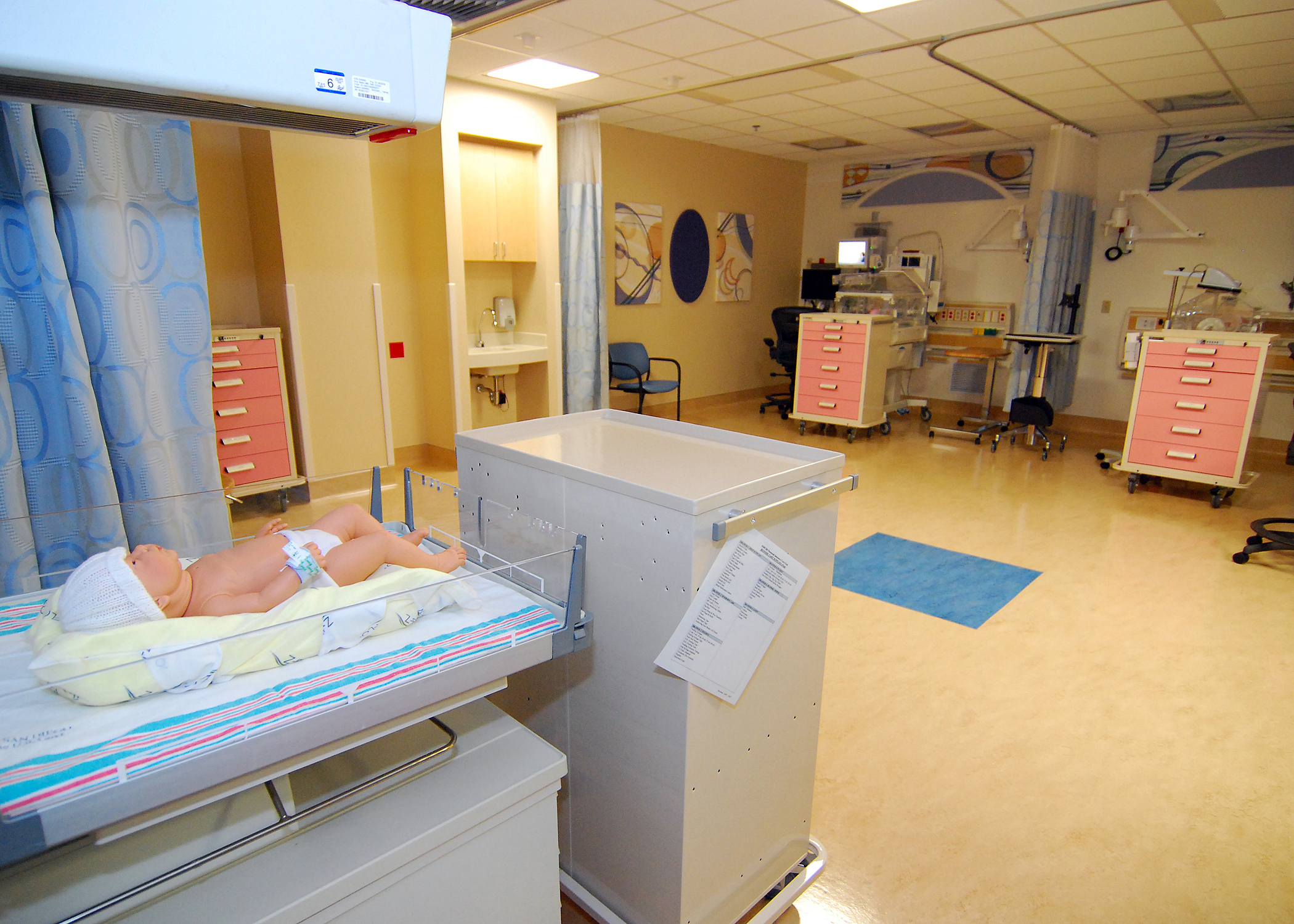
Image: U.S. Navy photo by Mass Communication Specialist 3rd Class Jake Berenguer, public domain, via Wikimedia Commons