Roberto Sosa Had Only Seen CPR on TV When Lightning Struck His Son Kevin, 14, on a Boynton Beach Soccer Field, and He Got the Boy’s Pulse Back

Roberto Sosa’s only CPR training came from television. On August 23, 2026, that was what he had when his 14-year-old son, Kevin, was struck by lightning while playing soccer in Boynton Beach, Florida. Kevin had no pulse and was not breathing. His father started chest compressions anyway, and Kevin’s pulse came back before paramedics arrived.
The Tampa Bay Times reported the family’s story, which was carried on Yahoo News on October 31. Local stations in Palm Beach County covered the rescue, the hospital stay and Kevin’s return home.
A Soccer Game That Ended in Cardiac Arrest
Kevin had just started ninth grade. According to the Tampa Bay Times, he was playing soccer with a group on a field at the Sea and Sand Mobile Home Park in Boynton Beach when lightning struck. CBS12 reported that the park is near Gateway Boulevard and that a friend, Bentley Hernandez, saw the strike and described hearing a loud boom before his friend fell.
When his father reached him, the Times reported, Kevin had no pulse and was not breathing. Roberto Sosa has no medical background. He had learned about chest compressions from TV shows. After he began CPR, Kevin’s pulse returned and color came back to his face before medical responders arrived.
WPTV’s account describes the first moments slightly differently. It reported that the father was nearby, felt the electricity and began CPR immediately as Kevin’s mother called for help. CBS12 reported that bystanders were performing CPR when Palm Beach County Sheriff’s Deputy Claudia Abreu-Perez arrived. She said Kevin had no pulse and she began chest compressions. Paramedics from Palm Beach County Fire Rescue then took over and rushed him to the hospital.
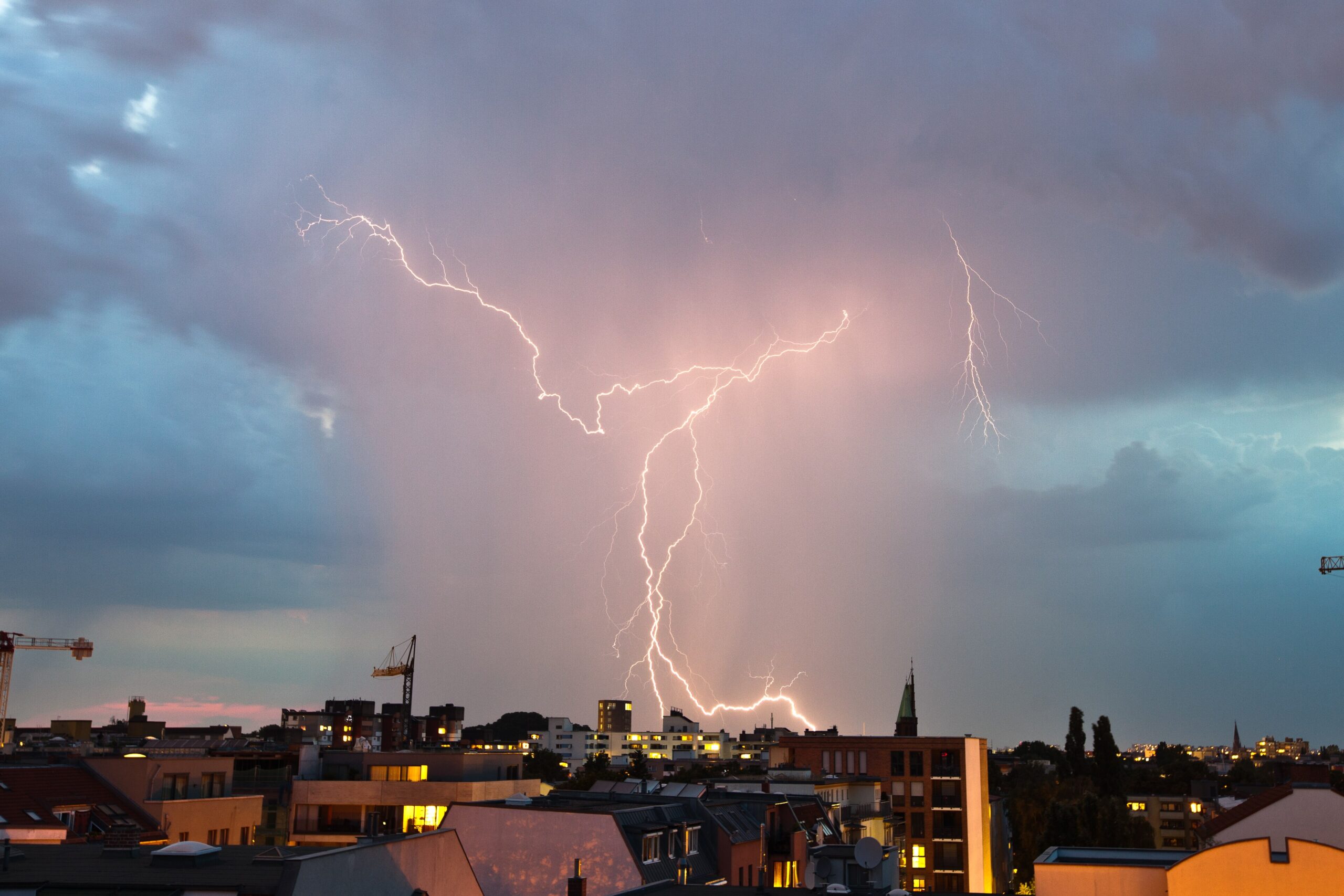
Lightning is rare but serious. The National Weather Service says it kills about 20 people each year in the United States and injures hundreds more, and that some survivors have lifelong neurological damage. The Times, citing the agency, reported fewer than 25 U.S. lightning deaths a year, with 16 in 2026 as of October, six of them in Florida.
The agency’s medical guidance adds that the only completely safe action during a storm is to get inside a safe building or vehicle, and that people struck who do not suffer cardiac arrest at the time may have lesser symptoms that often clear over a few days.
Weeks at Delray Medical Center
Kevin was treated at Delray Medical Center, where he stayed for weeks and celebrated his 14th birthday. WPTV reported that doctors credited the quick CPR. Dr. Angela Jones said the early compressions shortened the time Kevin’s brain went without oxygen, and that his current recovery reflects the care he received from his parents and first responders before he reached the hospital.
According to the Times, Paul Leser, an EMS captain with Delray Beach Fire Rescue who was on call during the rescue, has responded to five or six lightning-strike incidents with Palm Beach County Fire Rescue, and none of those victims survived. WPTV reported that Palm Beach Fire Rescue said about 10% of people in cardiac arrest survive.
The Centers for Disease Control and Prevention describes cardiac arrest as the heart suddenly and unexpectedly stopping, which is different from a heart attack. The agency says more than 356,000 people have an out-of-hospital cardiac arrest in the U.S. each year, and that roughly 60% to 80% of them die before reaching the hospital.
At a ceremony at Delray Medical Center, Kevin’s parents, the first responders and his medical team came together. Kevin thanked the staff for saving his life, according to WPTV.
What CPR Looks Like, and Where Kevin Is Now
The American Heart Association says a bystander who sees someone who is not breathing or is only gasping should have someone call 911, bring an AED if one is available, and push at least two inches into the center of the chest at 100 to 120 pushes per minute, continuing until the person breathes or moves or until emergency responders take over. The Red Cross gives the same rate and depth in its adult CPR steps, and adds that a full cycle is 30 chest compressions followed by two rescue breaths, with an AED used as soon as one is available. The Red Cross also says to keep interruptions to compressions under 10 seconds.
The Times added context on how rare Kevin’s outcome is. It cited the Red Cross as saying that immediate CPR can double or triple survival odds, yet only about 40% of cardiac arrest victims get bystander care. Palm Beach County responds to about 750 cardiac arrests a year, and about one in 10 victims survives. Pediatric emergency physician Peter Antevy also commented on bystander CPR in the report.
Kevin is now recovering at home. He attends physical therapy three days a week and is relearning how to walk, talk and use his hands and feet. He is homeschooled for now, and his team hopes he can return to school soon. He is sleeping better, has a long scar from his chest to his shoes, and plans to keep playing soccer.
CBS12 reported that on October 7, firefighter-paramedics who treated him visited the family, hugged his mother, Sandra Peluffo, and brought a hot meal. Deputies brought him new soccer gear because the lightning destroyed his cleats. The family set up a GoFundMe to cover medical and rehabilitation costs.
Fire Rescue, for its part, urged people to get indoors during thunderstorms.
Kevin’s case is not the only recent one in which fast CPR mattered. Parent Diaries also covered how 16-year-old Ariana Leonardis used her new CPR training in a Tuckerton parking lot.
Get stories like this by email. Sign up for The Parent Diaries Letter.
This article was produced with AI assistance and edited for accuracy against the sources linked above.
Image: Matt Biddulph, CC BY-SA 2.0, via Wikimedia Commons