Dad Says He Refused to Let His Elderly Mother Drive His Kids to School Anymore After Two Close Calls She Downplayed Both Times

I never imagined one of the hardest parenting decisions I would make would involve my own mother. She loved her grandchildren deeply, and for years taking them to school was one of her favorite parts of the week. Then two frightening moments forced me to question whether love alone was enough to keep my children safe. What followed became one of the most painful family conflicts we had ever faced.
A Routine Everyone Took for Granted
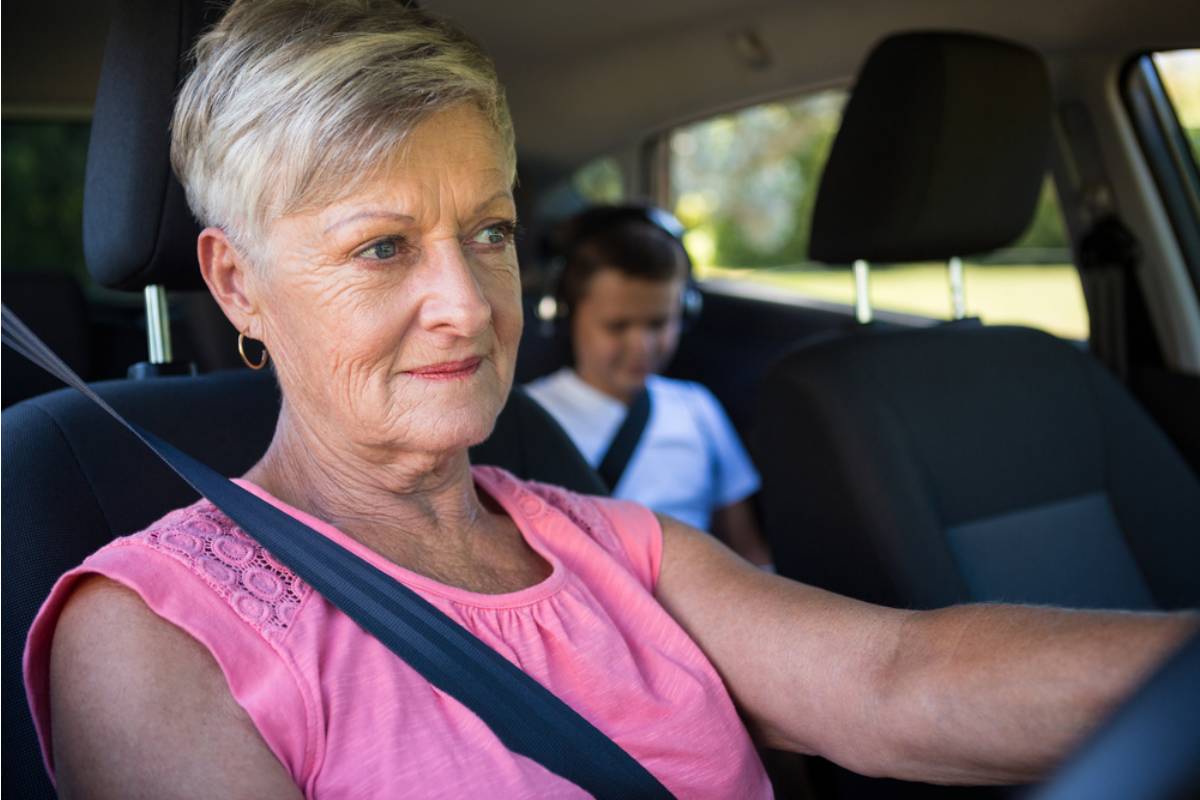
My mother, Carol, had driven my two children, Ethan and Lily, to school every Tuesday and Thursday for nearly three years. She insisted it gave my wife and me extra time to get to work, and the kids loved stopping for hot chocolate on cold mornings. It became such a normal part of our routine that none of us gave it much thought.
She was proud of still being independent in her seventies. Every time someone suggested slowing down, she laughed and reminded us she had been driving longer than any of us had been alive. Her confidence was reassuring until small details began catching my attention.
The First Incident Felt Easy to Explain Away
One afternoon, Ethan casually mentioned that Grandma almost drove through a red light.
“She stopped,” he said. “But another car honked really loud.”
When I asked my mother about it, she waved her hand dismissively.
“The light changed faster than I expected. People honk over everything these days.”
Her explanation sounded reasonable enough, and I convinced myself not to overreact.
A Different Story Came From My Daughter
A few weeks later, Lily told us something that made my wife pause in the middle of dinner.
“Grandma got confused at the four way stop.”
She explained another driver had motioned for Grandma to go, but instead of moving immediately, she froze. The cars behind them began honking until someone finally drove around them.
When I brought it up later, my mother laughed.
“Everyone gets confused at those intersections once in a while.”
Again, she treated it as nothing important.
The Pattern Started Worrying Me
Neither event alone seemed serious enough to justify taking away something my mother loved. Together, however, they formed a pattern I could not ignore. Both children described moments where hesitation and confusion had affected other drivers.
My wife quietly asked me a question that stayed in my head.
“What happens if the third time isn’t just confusing?”
Neither of us answered.
Riding Along Changed My Perspective
The following Tuesday, I asked my mother if I could ride with her before heading to work.
She seemed surprised but agreed.
For most of the drive everything felt normal. Then, while changing lanes, she failed to notice a car in her blind spot until the other driver honked. She corrected quickly, but my heart was already racing.
She simply muttered, “That car came out of nowhere.”
From my seat, it clearly had not.
The Conversation I Had Been Avoiding
That evening, I asked my mother to come over after the kids went to bed.
I don’t think the children should ride with you to school anymore,” I said gently.
She stared at me without speaking.
Finally she whispered, “You’re taking away the best part of my week.”
Hearing those words hurt more than I expected.
She Believed I Had Lost Faith in Her
My mother insisted I was treating her like she could no longer take care of herself.
“I’ve driven safely for decades,” she said.
“You’ve made mistakes too.”
She was right.
I had made mistakes while driving.
The difference was that I recognized them as mistakes instead of dismissing them.
I explained that what worried me most was not the close calls themselves but her refusal to acknowledge how serious they could have become.
Family Opinions Quickly Divided
News of our disagreement spread through the family before the weekend.
My older brother immediately called.
“You embarrassed Mom,” he said.
“She feels like you don’t trust her.”
Meanwhile, my younger sister admitted she had quietly stopped asking our mother for rides months earlier after noticing similar issues.
Until then, none of us realized we had been carrying the same concerns separately.
The Grandchildren Became Caught in the Middle
The hardest part came when the children noticed the change.
Ethan asked why Grandma no longer picked them up.
Before I could answer, my mother told him, “Your dad thinks I’m too old.”
That sentence hit me like a punch.
Later that night, I explained to the kids that age was not the reason. Safe driving depended on paying attention, making quick decisions, and recognizing when circumstances changed. I wanted them to understand that protecting someone sometimes meant making difficult choices.
A Neighbor Added Another Piece
Several days later, one of my mother’s longtime neighbors stopped by while I was helping fix a loose gate.
He quietly mentioned seeing her back into her mailbox a few weeks earlier.
“I figured she’d tell you herself,” he said.
She never had.
That conversation confirmed my growing suspicion that the close calls we knew about were not isolated events.
The Doctor Asked Different Questions
Instead of arguing further, I suggested my mother schedule a complete vision and driving related medical evaluation.
She resisted at first but eventually agreed after my sister offered to go with her.
The appointment uncovered something none of us expected. Changes in her vision and slower reaction times were beginning to affect situations that required quick judgment. The doctor explained she could still drive under many circumstances but recommended avoiding school traffic, busy intersections, and transporting young passengers until further evaluations were completed.
For the first time, the concern came from someone other than family.
Acceptance Took Longer Than the Diagnosis
Even after hearing the doctor’s recommendations, my mother struggled emotionally.
She admitted losing that school routine felt like losing part of her identity as a grandmother.
We talked for hours about everything she still did with the kids. She attended soccer games, helped with homework, baked cookies on weekends, and never missed birthdays. None of those memories depended on driving them to school.
Slowly, she began separating her value as a grandmother from her ability to sit behind the wheel.
Creating New Traditions Together
Instead of morning school drives, we started Saturday breakfast outings.
I drove while my mother sat in the back seat telling stories from her childhood. The children actually seemed to enjoy those slower conversations even more than the old routine.
She also began reading with Lily every Wednesday afternoon and helping Ethan build model airplanes in the garage. Their relationship remained just as close even though it looked different.
The fear that losing one activity would weaken the family turned out to be unfounded.
Looking Back After the Hurt Had Passed
Months later, my mother surprised me by bringing up the conversation herself.
“You know,” she said softly, “I was angry because I thought you were taking something away from me.”
She paused before continuing.
“But you were trying to protect the people we both love.”
I admitted that saying no to my own mother had been one of the hardest conversations of my life. She smiled, reached across the table, and squeezed my hand.
“I’m still your mom,” she said. “And you’re still their dad. I guess we were both trying to do our jobs.”
Driving home that evening, I realized our disagreement had never been about independence alone. It was about accepting that love sometimes requires changing long held routines before a close call becomes a tragedy. My mother did not stop being an important part of my children’s lives. We simply found safer ways for that love to keep showing up, and in the end, that mattered far more than who drove them to school.