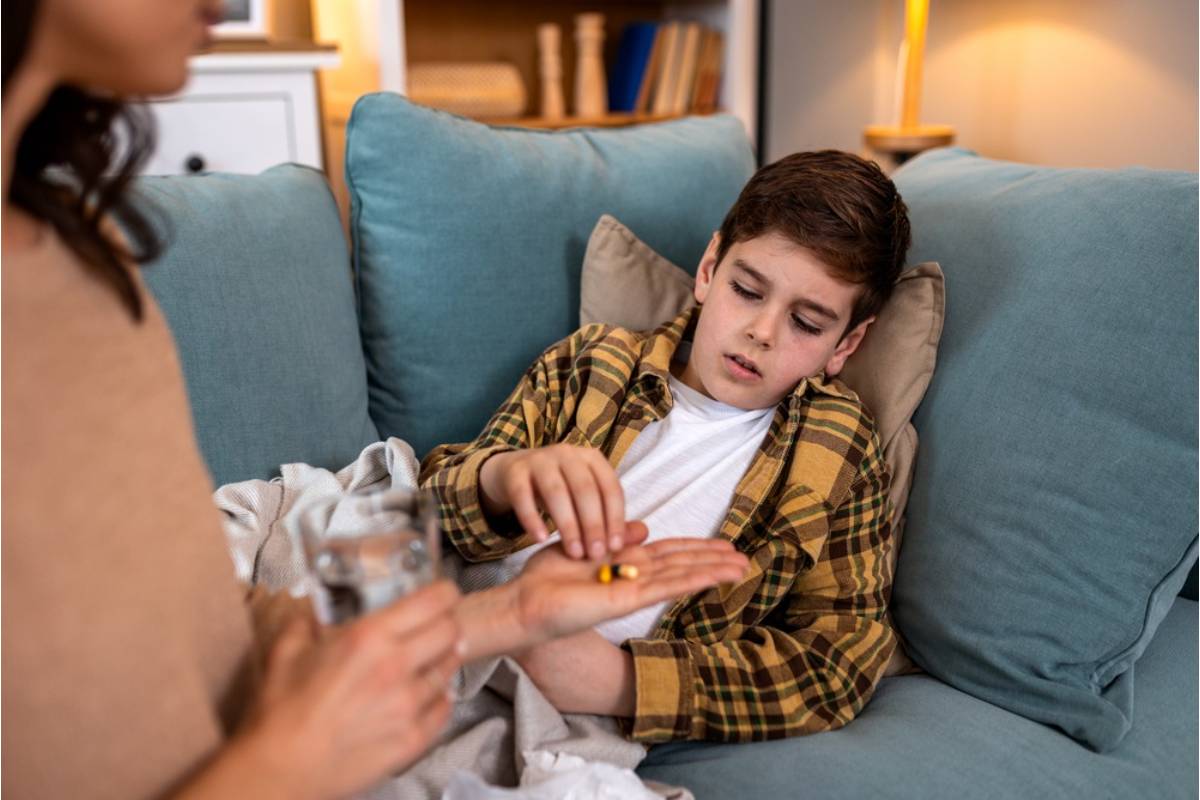
Dad Says He Refused to Let His Mother-in-Law Take His Son Off His ADHD Medication During a Weekend Visit “to See How He Does Naturally”

The argument started with what sounded like an innocent suggestion. By Sunday evening, it had become the most serious disagreement Daniel had ever had with his mother in law. What upset him most was not that she questioned his parenting. It was that she had already decided she knew what was best for his son without speaking to either parent or the child’s doctor.
A Weekend Everyone Had Been Looking Forward To
Ten year old Mason loved spending occasional weekends with his grandmother, Linda. They baked cookies, worked on puzzles, and watched old adventure movies together.
Daniel and his wife, Emily, appreciated the extra time to catch up on errands and enjoy a quiet evening together. Linda had always been an involved grandparent, and Mason adored her.
Nothing about the visit seemed unusual when they dropped him off on Friday afternoon.
No one expected it to end with a family conflict.
A Casual Comment Raised Daniel’s Attention
Before Daniel left, Linda smiled and said, “You know, kids today take so many medications.”
Daniel answered politely.
“Mason’s pediatrician and specialist have worked with us for years. His treatment has made a huge difference.”
Linda nodded but did not seem convinced.
“I just wonder what he’s really like without all of that.”
Daniel exchanged a quick glance with Emily before changing the subject.
Years of Careful Decisions
Mason had been diagnosed with ADHD after months of evaluations, teacher meetings, and behavioral assessments.
His parents had not rushed into medication.
They first tried classroom accommodations, structured routines, counseling, and behavior strategies.
Only after discussing every option with his healthcare team did they agree to begin medication.
The improvement had been gradual but meaningful.
Mason felt less frustrated and more confident at school.
Saturday’s Phone Call Felt Strange
Late Saturday afternoon, Daniel called to check in.
Mason sounded cheerful.
They talked about a model airplane he was building with Grandma.
Before hanging up, Linda took the phone.
“He seems so calm today.”
Daniel smiled.
“I’m glad he’s having fun.”
Then Linda added, “Maybe tomorrow we’ll see how he does naturally.”
The comment immediately caught Daniel’s attention.
A Conversation That Turned Serious
Daniel asked what she meant.
Linda answered casually.
“I was thinking about skipping his medicine tomorrow morning.”
Daniel’s voice changed instantly.
“No.”
She sounded surprised by his firm response.
“I just want to see who he really is.”
Daniel replied carefully.
“The medication is part of his medical treatment. We don’t stop it for experiments.”
Linda Believed She Was Helping
Linda insisted she had raised three children without ADHD medication.
She believed children simply needed patience, discipline, and outdoor play.
Daniel listened respectfully before answering.
“I know you’re trying to help.”
“But this decision belongs to Mason’s parents and his doctor.”
Linda sighed.
“I just think everyone relies too much on medicine.”
Neither side changed the other’s mind.
Emily Stepped Into the Discussion
After Daniel ended the call, Emily phoned her mother herself.
She reminded Linda that medication decisions were never made casually.
Emily described the difficult months before Mason received proper treatment.
Homework often ended in tears.
Simple instructions became overwhelming.
Even Mason had told them he hated feeling like his thoughts were racing all day.
Linda listened quietly but still questioned whether medication was truly necessary every single day.
Mason Accidentally Heard Part of It
Sunday morning, Mason walked into the kitchen while Linda was finishing a phone conversation with Emily.
He caught only one sentence.
“I still think he’d be happier without it.”
Mason looked confused.
“Without what?”
Linda immediately changed the subject.
But the question stayed with him.
Later he quietly asked whether something was wrong with his medicine.
Daniel Picked Him Up Early
Instead of waiting until evening, Daniel drove over Sunday afternoon.
He wanted to speak face to face before misunderstandings grew larger.
Linda welcomed him inside, but the tension was obvious.
Mason sensed it immediately.
Daniel suggested they all sit together in the living room.
He wanted everyone, including Mason, to hear the conversation respectfully.
Mason Said Something No One Expected
Daniel gently explained that adults sometimes disagreed about medical decisions.
Before anyone else spoke, Mason quietly raised his hand.
“I like how I feel when my medicine works.”
The room became silent.
He looked at his grandmother.
I can actually finish reading books now.
Then he looked at his father.
“And I don’t get in trouble all the time anymore.”
Nobody interrupted him.
Linda Heard the Child’s Perspective
Until that moment, Linda had focused entirely on her own beliefs.
She had never asked Mason how he experienced ADHD.
He explained that before treatment, he often wanted to pay attention but could not keep his thoughts from jumping everywhere.
“It wasn’t because I didn’t care.”
“I just couldn’t slow my brain down.”
Linda’s expression softened.
For the first time, she seemed to understand that medication was not changing who he was.
It was helping him access the person he already wanted to be.
An Appointment Changed the Conversation
A few weeks later, Emily invited Linda to attend one of Mason’s follow up appointments with permission from the pediatrician.
The doctor welcomed her questions.
Rather than dismissing her concerns, he explained how medication worked, why consistency mattered, and how the family regularly monitored benefits and side effects.
He also emphasized that treatment plans were adjusted over time based on Mason’s needs.
Linda admitted she had assumed parents simply accepted the first prescription without much discussion.
She realized how many careful decisions had actually been involved.
Trust Had to Be Rebuilt
Although everyone appreciated Linda’s willingness to learn, Daniel needed one more conversation.
He explained that trust had been shaken because she considered changing a medical treatment without parental approval.
Linda apologized sincerely.
“I thought I was helping.”
Daniel nodded.
“I believe that.”
“But helping starts with asking, not deciding.”
She agreed without arguing.
A Different Weekend Months Later
When Mason visited again several months later, the atmosphere felt completely different.
Linda had prepared his favorite breakfast and placed his medication cup beside his plate exactly as his parents had instructed.
She smiled at him.
“Want to teach me that airplane game you like?”
Mason grinned.
“Only if you promise not to let me win.”
She laughed.
“I’ll do my best.”
The visit felt relaxed because everyone understood their role.
One Family Learned a Lasting Lesson
Looking back, Daniel realized the disagreement had never been about winning an argument. It was about protecting his son’s health while preserving important family relationships.
Linda eventually admitted that listening to Mason had changed her perspective more than any article or opinion ever could. She stopped viewing the medication as something that took away his personality and began seeing it as one part of a carefully managed treatment plan that helped him thrive.
Mason never knew how close the adults had come to a lasting family divide. What he remembered instead was that the people who loved him had learned to work together, ask questions respectfully, and place his well being above their own assumptions.