Caitlin Kidder’s Daughter Camille Had Surgery at 24 Weeks, Before She Was Born, and at 3 Months Her Scans Are Normal

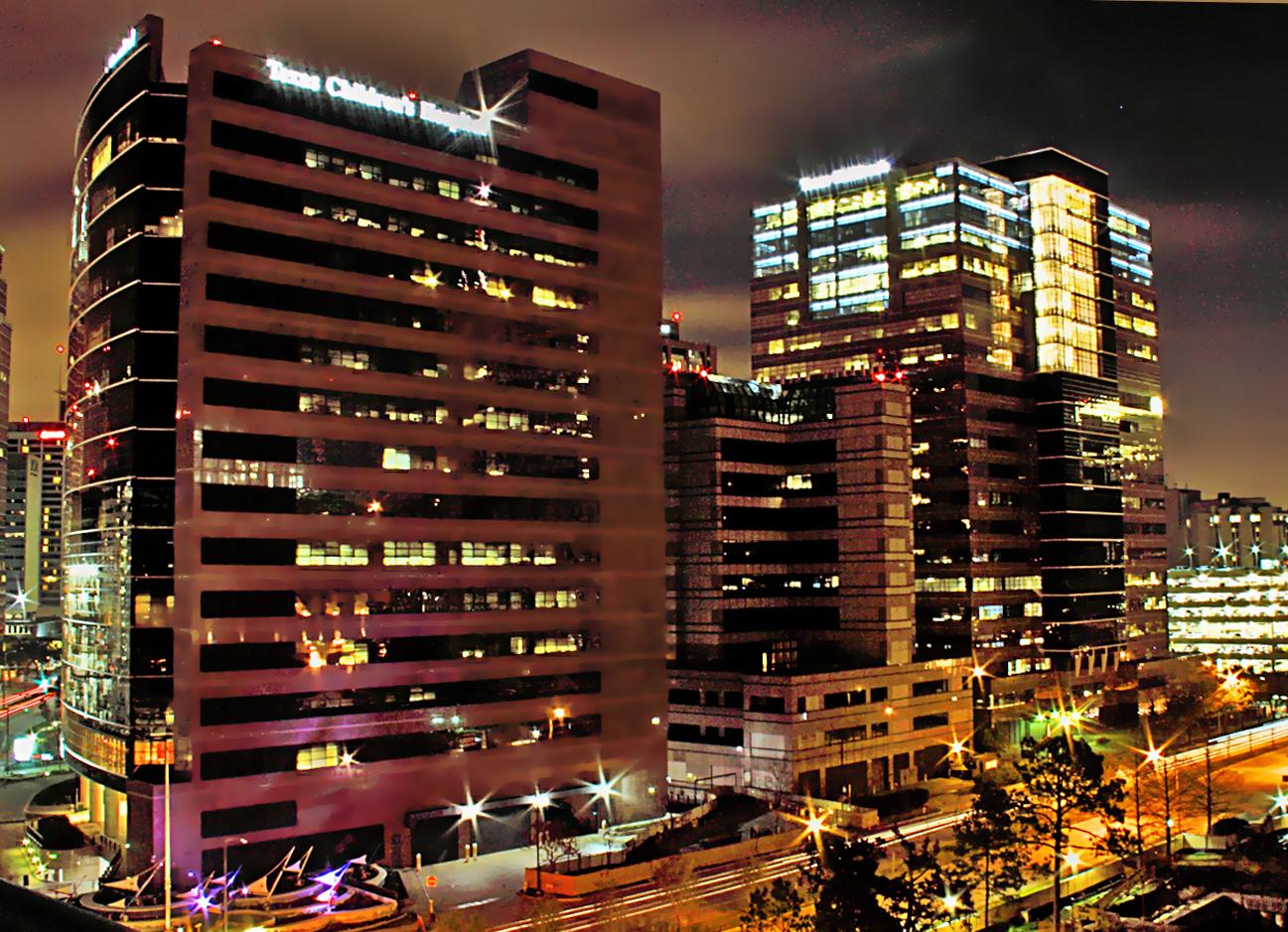
Surgeons at Texas Children’s Hospital in Houston operated on Camille, the daughter of Caitlin Kidder of Lafayette, Louisiana, when she was 24 weeks along and still in the womb, to repair a serious abdominal birth defect. At her three-month checkup, her scans looked normal, her weight was good, she was eating well and she was meeting developmental milestones, KPRC in Houston reported on Nov. 12. Camille’s surgery was part of an FDA-regulated clinical trial that is still testing whether the approach is safe.
A Louisiana Doctor’s Second Look at the Scans
Camille was diagnosed before birth with complex gastroschisis, a condition in which a baby’s intestines develop outside the body. KPRC said about 1 in 10 babies with the complex form does not survive, that some need intravenous nutrition for up to two years and that more than one surgery is often unavoidable.
A doctor in Louisiana took a second look at Camille’s prenatal scans, which showed how serious the condition was, and connected the family with specialists at Texas Children’s. Caitlin then had the fetal surgery in Houston. Pediatric surgeon Dr. Sundeep Keswani performed it, according to the station.
What Gastroschisis Is
The Centers for Disease Control and Prevention describes gastroschisis as a hole in the abdominal wall, usually to the right of the belly button, that lets the intestines extend outside the body. The exposed intestines have no protective sac, so they can become irritated and shorten, twist or swell. The agency estimates about 1 in 2,564 babies in the United States is born with it, says the cause is unknown in most cases and notes that it can often be spotted on a prenatal ultrasound.
Treatment normally happens after birth. Surgery returns the organs to the baby’s body and closes the opening, sometimes in stages, and many babies need intravenous nutrition and antibiotics while they recover. Feeding and digestion can remain problems for some infants even after repair.
How the Trial Works
The Texas Children’s team is testing a different timing. In a Sept. 30 news release, the hospital said surgeons perform an investigational procedure on the fetus before birth, after a specialized Botox injection relaxes the abdominal wall. The aim is to limit the damage, help the intestines return to the abdomen and support bowel recovery while the baby is still in the womb.
The procedure is part of a clinical trial regulated by the Food and Drug Administration that is measuring safety, feasibility and possible effectiveness. The hospital said it is not yet established as safe or effective for routine care, that more participants are needed to finish the current phase and that enrollment is open to eligible families worldwide. KPRC reported that the first phase aims to operate on 10 babies and that 20 more would qualify if the next phase is approved. Doctors described Camille’s operation to the station as one that had never been performed elsewhere in the United States.
The American College of Surgeons described an earlier case from the same trial in an Aug. 18 report. Surgeons used a minimally invasive, fetoscopic approach through small incisions instead of a large cut in the uterus, drained and replaced the amniotic fluid, pushed the intestines back into the abdomen and closed the abdominal wall. The baby stayed in the womb until term, reached full feeds within two days and went home on day three. The college stressed that the procedure remains investigational and that one case does not establish broader results.
The hospital’s news release featured another family, Maisie and Josh of London, who learned of their son Theo’s diagnosis at a 20-week ultrasound and traveled to Houston. The procedure was done at 26 weeks. Theo was born at 39 weeks and discharged three days later. Dr. Keswani called seeing him “born healthy and discharged just days later like any other healthy baby” extraordinary. Great Ormond Street adds that its surgeons reach the uterus between 25 and 27 weeks, and that in the UK about 200 to 300 babies a year are affected by gastroschisis.
Complications After Birth
Camille’s recovery was not simple. After she was born, her intestines turned out to be fused to her skin, and surgeons had to cut the skin away from the intestine. A small hole formed in the bowel during that operation, KPRC reported.
Texas Children’s is not working alone. Great Ormond Street Hospital in London, which announced the first UK baby to receive the treatment on Aug. 3, is a partner in the international feasibility study, along with KU Leuven in Belgium. At that point, the hospital said, three children worldwide had received the surgery. Professor Paolo De Coppi of Great Ormond Street said the baby boy was doing remarkably well at 3 months old and that earlier success with in-utero spina bifida repair suggests the approach “could essentially offer a cure for gastroschisis.”
What Doctors Say Comes Next
Texas Children’s said its team plans to publish initial trial data in medical journals in the coming months. Dr. Michael Belfort, the hospital’s obstetrician and gynecologist-in-chief and director of its Fetal Center, said what the trial is teaching “could extend far beyond gastroschisis.” In 2014, under his direction, Texas Children’s became the first U.S. center to perform fetoscopic repair of spina bifida, the same line of fetal surgery that Great Ormond Street’s team says it adapted.
For Camille’s family, the practical result so far is a three-month-old who is eating and growing and whose scans are normal.
Get stories like this by email. Sign up for The Parent Diaries Letter.
This article was produced with AI assistance and edited for accuracy against the sources linked above.
Image: Nsaum75 at en.wikipedia – CC BY-SA 3.0/Wikimedia Commons