Doctors Didn’t Expect Jaxson Flynt to Live Past 5. At 13, His Texas Family Has Raised More Than $1.1 Million Chasing a Cure.

When Jaxson Flynt was diagnosed with an ultra-rare genetic condition at almost 2, doctors did not think he would live past 5. He is 13 now. He goes to public school in North Texas, plays baseball, runs track and bowls, and no longer uses a wheelchair.
His parents, Lindsey and Garret Flynt of Haslet, have spent most of those years raising money for research into a treatment. On Oct. 17, the family’s seventh annual clay shoot pushed their total past $1 million, and they have now raised more than $1.1 million, the Fort Worth Star-Telegram reported.
A diagnosis with almost no one else to compare to
Jaxson’s condition is caused by a gene mutation that falls under the umbrella of Leigh syndrome, a mitochondrial disease. When he was diagnosed, fewer than 10 people were known to have his specific mutation. Today the number is still fewer than 50, according to the Star-Telegram.
Leigh syndrome is a severe neurological disorder that usually starts in the first year of life and causes a gradual loss of mental and movement abilities, according to the National Library of Medicine’s MedlinePlus Genetics. It affects at least 1 in 40,000 newborns and can be caused by variants in more than 110 different genes, most of them involved in how mitochondria make energy for the body.
The outlook is often grim. MedlinePlus says the condition typically leads to death within two to three years, usually from breathing failure, though some people have milder forms or symptoms that progress more slowly. Early signs in babies can include vomiting, trouble swallowing and poor weight gain, according to a MedlinePlus summary.
Jaxson’s case has followed its own path. He has limited mobility, is largely nonverbal, has partial vision loss and gets his nutrition through a feeding tube. But he has kept gaining ground, with help from therapists including aquatic and physical therapist Lucy Martin.
A clay shoot that started in 2020
Lindsey Flynt told the Star-Telegram she refused to accept that nothing could be done. Being told there was no cure and no treatment, she said, was “just unacceptable.”
The family held its first clay shoot in June 2020 at Defender Outdoors in Fort Worth. The event, now called Shotguns & Guitars, has grown every year. This fall’s shoot, the seventh, raised more than $250,000 in a single day.
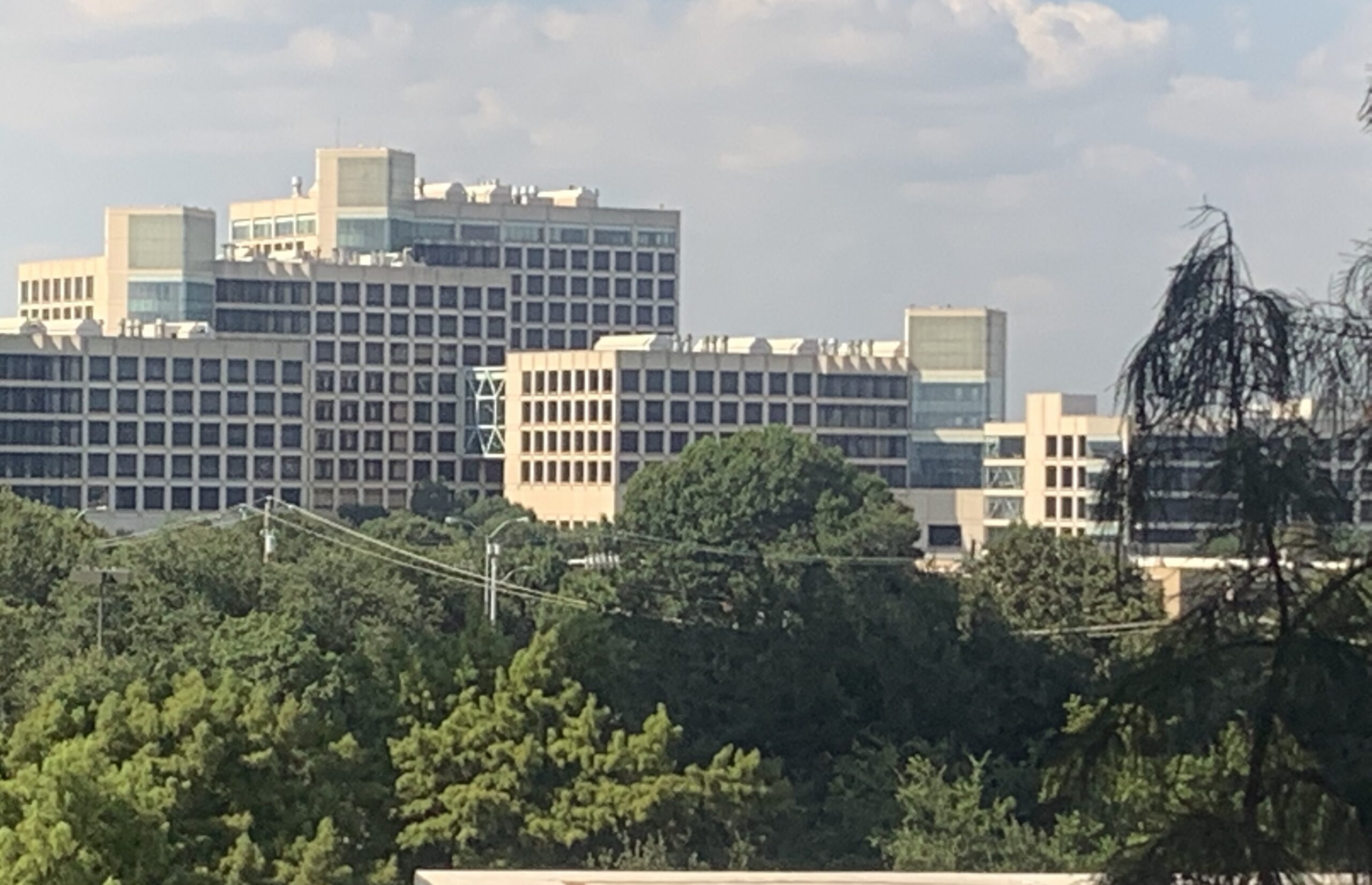
The Flynts have contacted nearly 100 researchers. A rat model of Jaxson’s mutation is expected to be studied at UT Southwestern Medical Center next year, the newspaper reported.
“It finally feels like a tangible goal,” Lindsey Flynt said.
Why the next number is $2.2 million
The family’s next target is another $2.2 million, which the Star-Telegram described as the average cost to get a gene therapy approved.
Gene therapy treats or cures disease by changing a person’s genes, according to the U.S. Food and Drug Administration. It can replace a faulty gene with a working copy, turn off a gene that is not working properly, or add a new gene. Any human study in the United States needs FDA clearance through an investigational new drug application before it can begin.
Dr. Amy Goldstein, a mitochondrial disease specialist at Children’s Hospital of Philadelphia, told the Star-Telegram that this is a very hopeful moment, because gene therapy has become a reality for many progressive neurologic disorders of childhood.
A rare disease that is not so rare as a group
Jaxson’s exact mutation is extremely rare, but mitochondrial diseases as a group are not. About 1 in 5,000 people has a genetic mitochondrial disease, and 1,000 to 4,000 children in the United States are born with one each year, according to the United Mitochondrial Disease Foundation. The group says treatments, vitamins and supplements can ease symptoms for some patients, but their effectiveness varies widely.
Other families have taken on the same kind of fight. The mom of 4-year-old Felix Kennedy started a nonprofit to fund a gene therapy for his ultra-rare disease, and Eliza O’Neill’s parents raised $2 million when she was little for research that led years later to an FDA-approved treatment.
For the Flynts, the goal is the same. Jaxson has already outlived the prediction doctors gave his family by eight years, and every clay shoot moves the research a little closer.
Get stories like this by email. Sign up for The Parent Diaries Letter.
This article was produced with AI assistance and edited for accuracy against the sources linked above.
Image: “UTSW Nima Sep 2021 03” by Nightryder84, CC BY-SA 4.0, via Wikimedia Commons